



Dr Bhavin Garara
HomeContact UsUHai — Analyse My Skin
Stretch Marks

Stretch Marks

Stretch marks — clinically striae — are scars in the dermis caused by rapid skin stretching. They start red or purple (striae rubra) and gradually fade to white or silvery (striae alba). They cannot be entirely erased, but treatment can meaningfully reduce their width, depth, and visibility. Timing matters — red and purple stretch marks respond better than long-established white ones.

Medically reviewed by Dr Bhavin Garara, GMC 7155707 · Last reviewed: 26 March 2026

What it is

What Are Stretch Marks?

Book a Consultation

Stretch marks form when the skin’s dermal layer is stretched faster than its collagen and elastin can accommodate, producing micro-tears in the dermis that the body then heals as scar tissue. Common sites are the abdomen (pregnancy), thighs, breasts, hips, and shoulders (rapid growth or weight change), and back (adolescent growth spurts).

Dr Bhavin Garara’s approach is staged: catch them while they are red (most responsive), and apply collagen-rebuilding and resurfacing treatments for white established stretch marks.

Where it shows

Stages of Stretch Marks

  • Striae rubra (red / purple)

    Newer stretch marks where the underlying tear is still inflamed. Highly responsive to vascular laser and regenerative treatments. The window of best response is the first 6–12 months.

  • Striae alba (white)

    Older, faded stretch marks. The vascular component has resolved; the indentation and dermal thinning remain. Responsive to dermal remodelling treatments, more slowly than striae rubra.

What causes it

What Causes Stretch Marks?

  1. 1

    Rapid skin stretching

    Pregnancy, adolescent growth spurts, rapid weight change, and bodybuilding-related muscle gain all stretch skin faster than it can compensate.

  2. 2

    Genetics

    Family history is a significant risk factor.

  3. 3

    Hormones

    Cortisol levels affect dermal collagen and elastin. Pregnancy-related hormonal changes are a major driver.

  4. 4

    Skin type and age

    Skin elasticity varies between individuals and declines with age, affecting susceptibility.

  5. 5

    Medications

    Long-term corticosteroid use can produce stretch marks at sites of skin stretching.

Dr Bhavin Garara
Dr Bhavin Garara, MBBS, BMedSci, PGDip
Book a Consultation
Dr Garara's approach

How Dr Bhavin Garara Treats Stretch Marks

At the clinics in London, Dr Garara assesses the stage (red / purple / white), location, extent, and skin type. The plan combines vascular laser for the inflammatory red component, radiofrequency microneedling for dermal rebuilding, and regenerative skin treatments for tissue support. Skin of colour requires careful conservative protocols.
  • Anatomy-led assessmentTreatment plans built around your unique facial structure and movement.
  • Personalised planCombinations chosen for your skin, goals, and lifestyle — not a one-size-fits-all protocol.
  • Natural resultsA refreshed, well-rested version of you — never a frozen or over-treated look.

Features

Treatment Options

Vascular laser (Derma V), radiofrequency microneedling (Sylfirm X), polynucleotides and PDRN, autologous PRP / platelet-derived exosomes, and collagen biostimulators (selective).

Treatment is staged — vascular laser for striae rubra while still red, radiofrequency microneedling for striae alba, and regenerative skin support throughout.

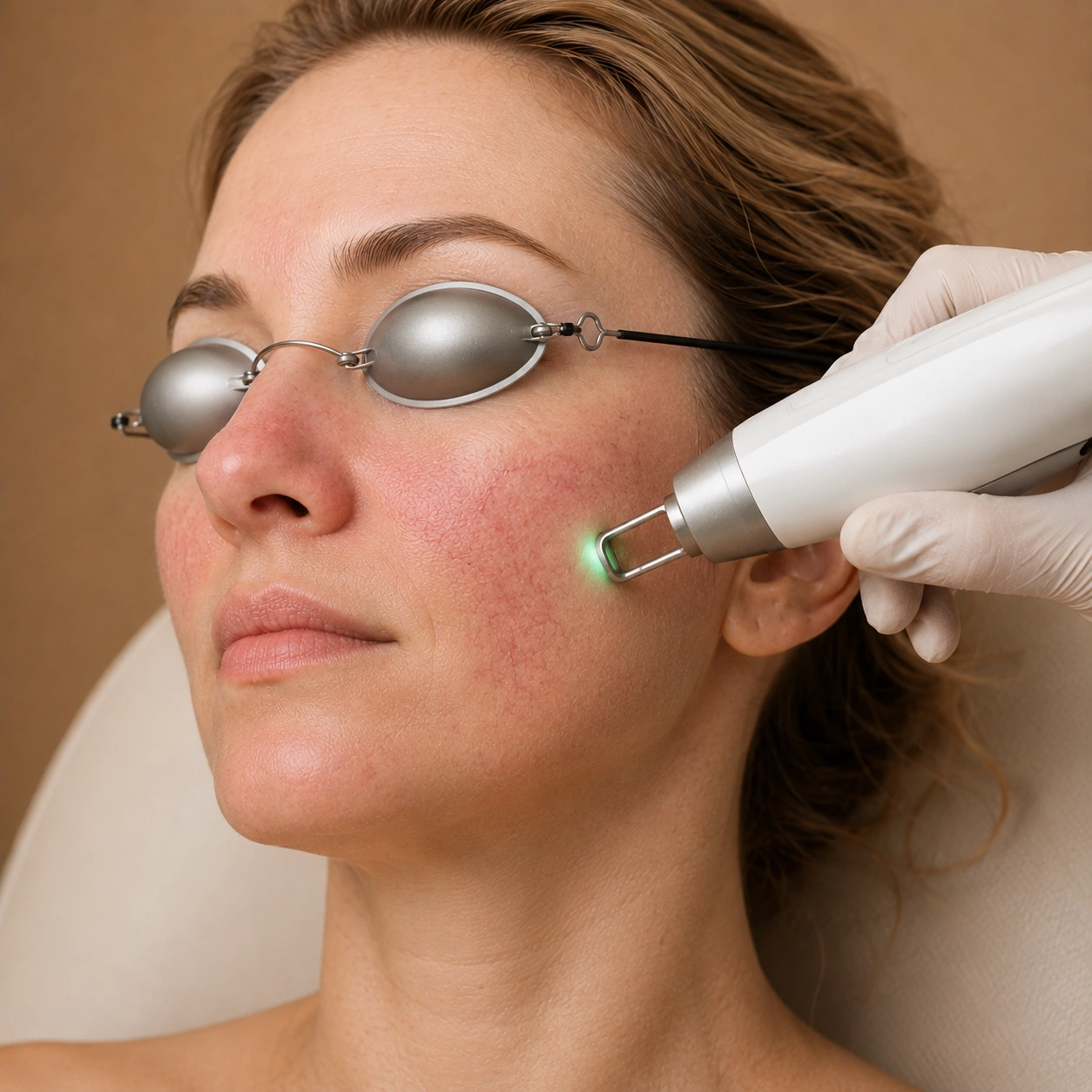
Vascular laser (Derma V) for striae rubra

  • Best for: Striae rubra (red / purple, new)
  • Downtime: 1–3 days of mild redness
  • Lasts: Long-lasting colour fading

For newer red or purple stretch marks, Derma V targets the dilated capillaries that drive the colour, accelerating fading and reducing the inflammatory component. Best used while the stretch marks are still red.
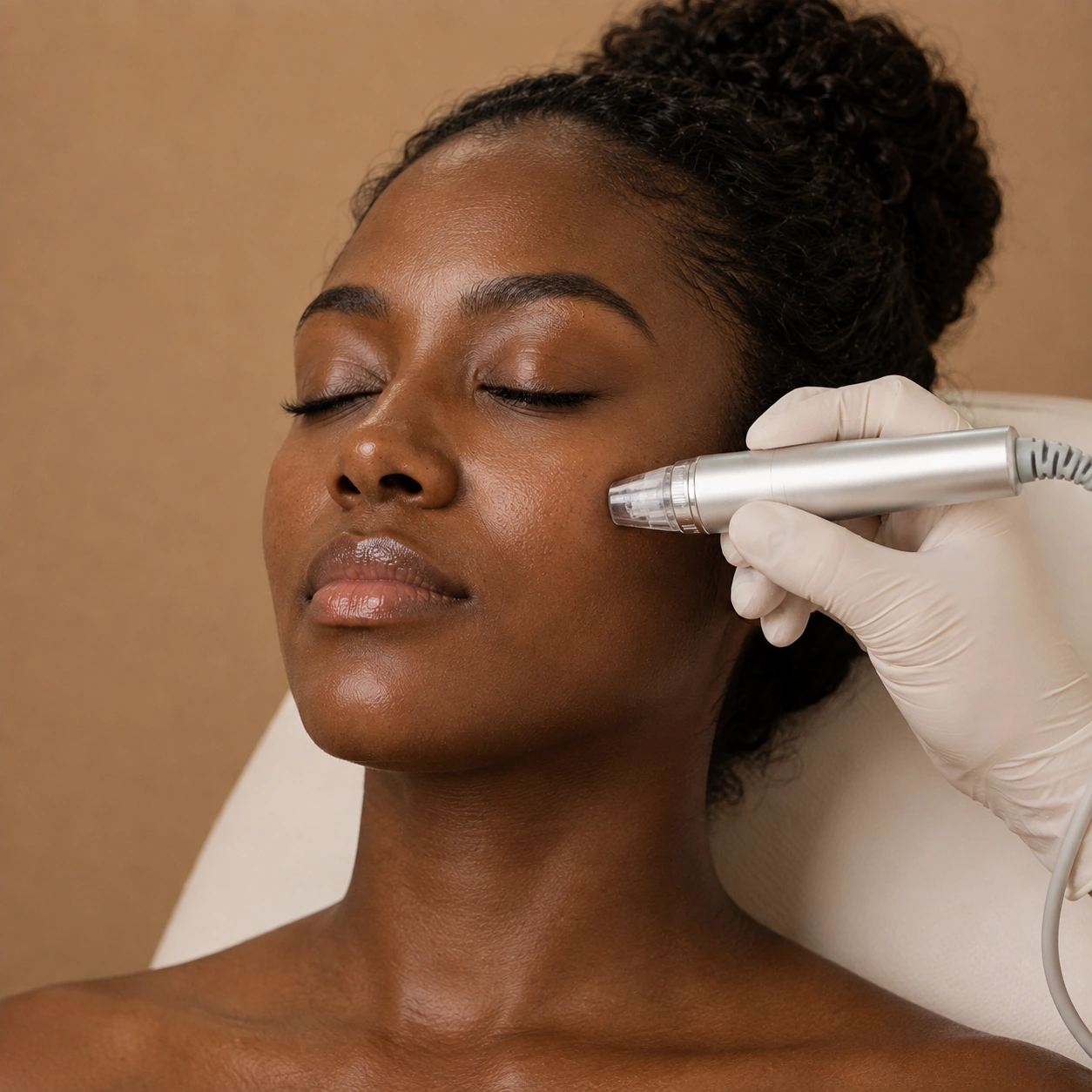
Radiofrequency microneedling (Sylfirm X)

  • Best for: Striae alba (white, established)
  • Downtime: 2–5 days of redness or mild swelling
  • Lasts: Long-lasting; collagen remodelling continues for months

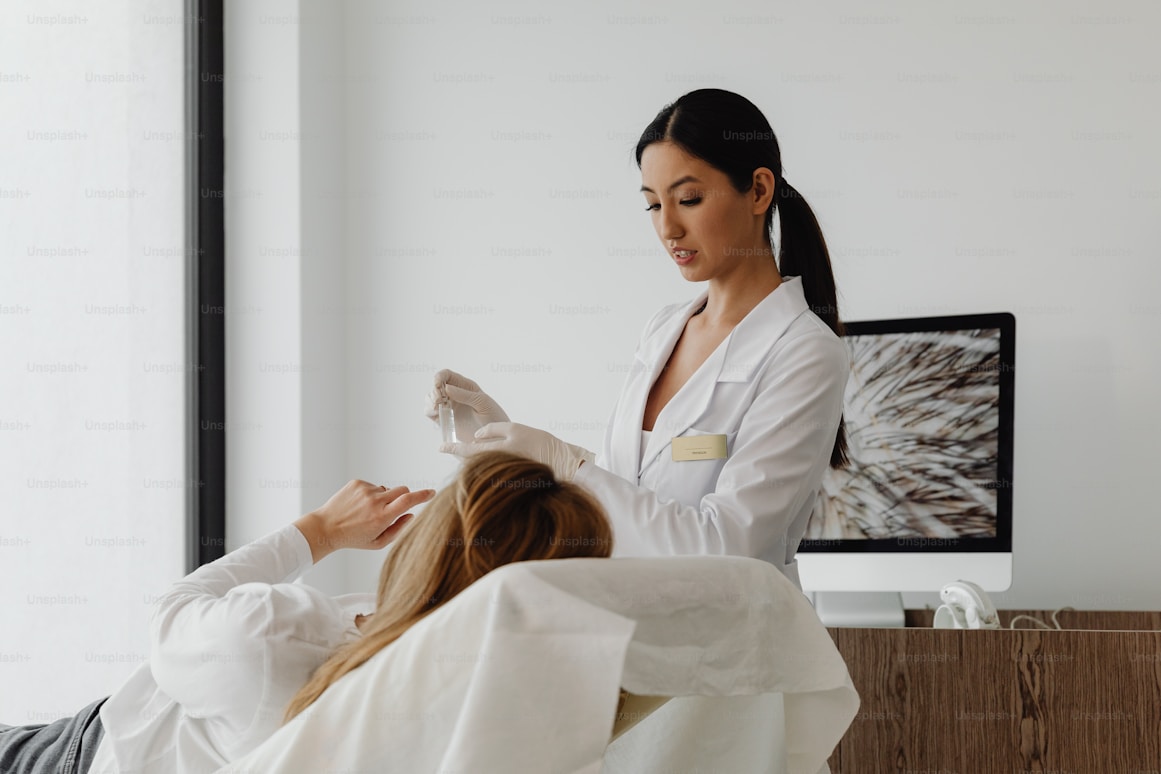
Sylfirm X delivers radiofrequency through fine needles into the dermis of the stretch mark, encouraging collagen remodelling and narrowing the indentation over a course of sessions. The clinic’s main tool for striae alba.

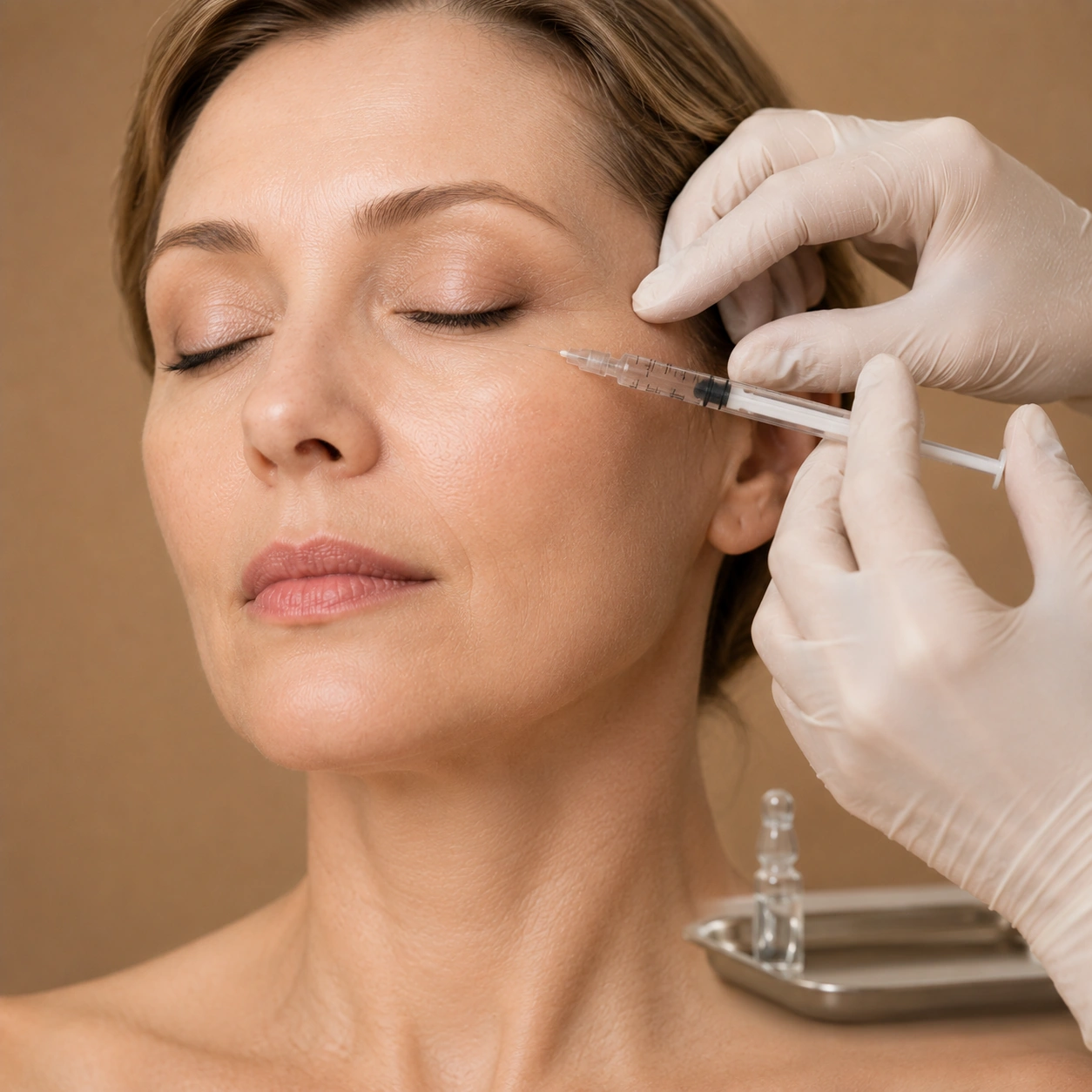
Polynucleotides and PDRN

  • Best for: Thinned dermis within the stretch mark
  • Downtime: 1–2 days of localised bumps
  • Lasts: Around 6–12 months with a course

Polynucleotides (Rejuran®) and PDRN injected directly into the stretch mark are understood to act as a “repair signal” — supporting fibroblasts to produce more collagen and elastin and thickening the thinned dermis.

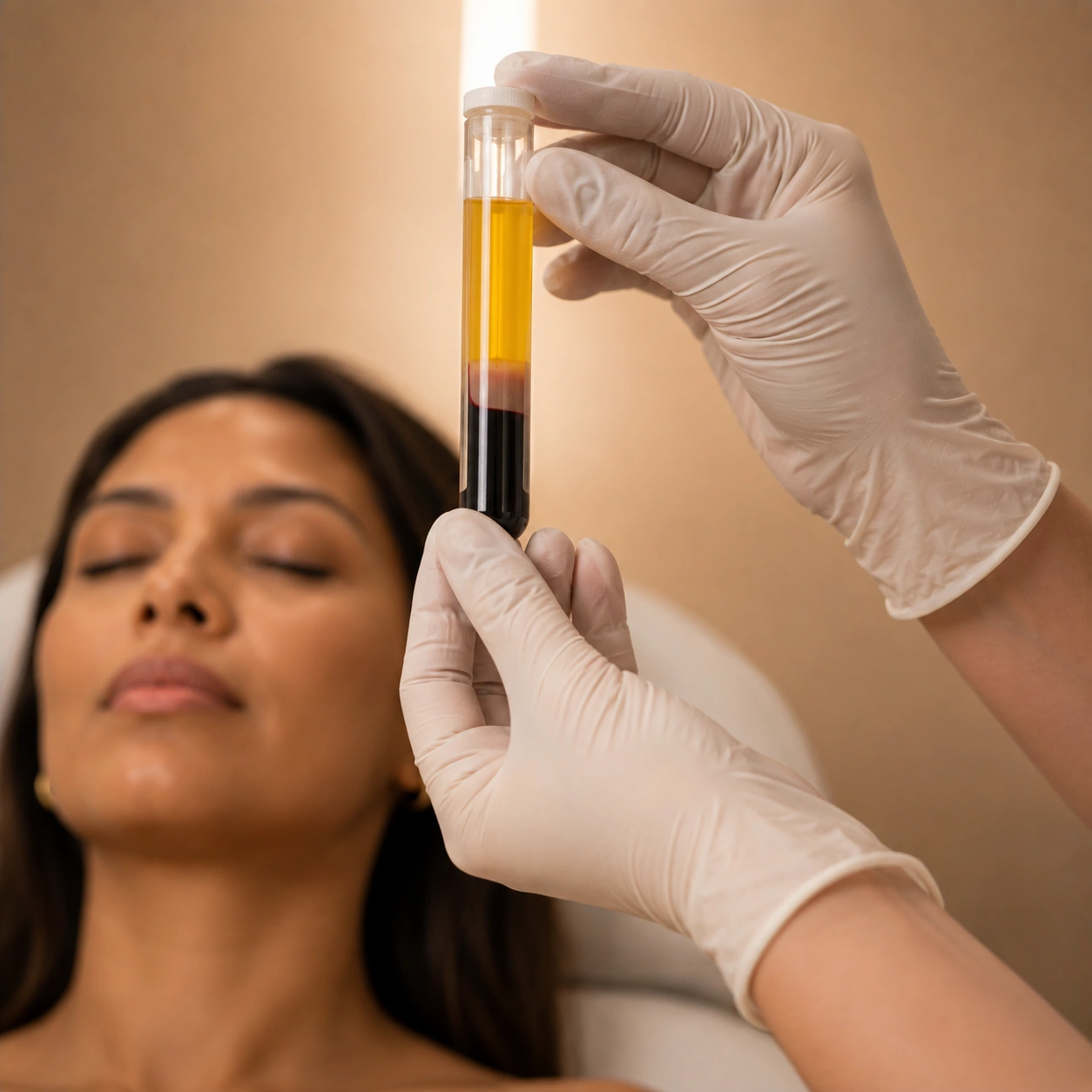
Platelet-derived exosomes and PRP

  • Best for: Supporting tissue quality
  • Downtime: 1–2 days of mild bumps
  • Lasts: Around 6–12 months with a course

PRP and platelet-derived exosomes (both autologous, derived from your own platelets) can be added for tissue quality support alongside the structural treatments.

Collagen biostimulators (selective)

  • Best for: Widespread striae with overall skin laxity
  • Downtime: 2–4 days of localised swelling
  • Lasts: Around 12–18 months following a course

For very widespread stretch marks with accompanying skin laxity (post-pregnancy abdomen, post-weight-loss areas), diluted PLLA or CaHA biostimulator preparations swept across the area can firm the overall skin envelope.

Treatment for higher Fitzpatrick skin types (IV–VI) requires careful device selection and conservative settings to reduce the risk of post-inflammatory hyperpigmentation or, in some cases, keloid scarring. Dr Garara has particular experience in aesthetic medicine for skin of colour.

Considering treatment for stretch marks?

Book a consultation with Dr Bhavin Garara.

Book a Consultation
Compare at a glance

Treatments at a Glance

Vascular laser (Derma V)

Best suited for
Striae rubra (red / purple, new)
Typical downtime
1–3 days of mild redness
How long results last
Long-lasting colour fading
What it does
Targets the inflammatory red component

Radiofrequency microneedling

Best suited for
Striae alba (white, established)
Typical downtime
2–5 days of redness or mild swelling
How long results last
Long-lasting; collagen remodelling continues for months
What it does
Narrows and shallows the stretch mark

Polynucleotides / PDRN

Best suited for
Thinned dermis within the stretch mark
Typical downtime
1–2 days of localised bumps
How long results last
Around 6–12 months with a course
What it does
Supports dermal thickening

PRP / platelet-derived exosomes

Best suited for
Supporting tissue quality
Typical downtime
1–2 days of mild bumps
How long results last
Around 6–12 months with a course
What it does
Supports tissue repair

Collagen biostimulators

Best suited for
Widespread striae with overall skin laxity
Typical downtime
2–4 days of localised swelling
How long results last
Around 12–18 months following a course
What it does
Firms the skin envelope

Downtime and duration figures are typical averages only. Individual results vary considerably. Dr Garara will give you a more personalised picture at consultation.

Safety & risk

Is Treatment Safe?

Stretch-mark treatments are widely performed and generally well tolerated. Risks include post-inflammatory pigment change (particularly in skin of colour, managed by conservative settings), short-lived swelling, and rarely scarring. Skin of colour requires careful protocols.

We share this not to alarm you but because patients deserve full information. Dr Garara is happy to discuss specific risks at consultation.
  • Qualified medical practitionerTreatment carried out by an experienced doctor with detailed anatomical training.
  • Reversal agents on handHyaluronidase and other complication-management tools are immediately available.
  • Full informed consentRisks, alternatives, and expected outcomes discussed in detail before any treatment.
Dr Bhavin Garara
Reviewed byDr Bhavin Garara

Frequently Asked Questions

Common questions about treating stretch marks.

Read next

Related Concerns

Stretch marks connect to other body concerns. You may also want to read about:

← All body concerns

For an overview of all the facial concerns we treat, visit our Body treatments hub.

Next step

Ready to take the next step?

Book a consultation with Dr Bhavin Garara.

Book a Consultation

Begin with a proper assessment.

Tell us a little about what you're looking for and we'll match you with the right consultation — at the clinic or virtually.

  • Your enquiry goes directly to Dr Bhavin's team.
  • We'll be in touch within one working day.
  • All consultations are strictly confidential.

This page is for general information and does not constitute medical advice. All treatments require a personal consultation. Suitability, risks, and expected outcomes will be discussed with you in detail before any treatment is carried out.