

Dr Bhavin Garara
HomeContact UsUHai — Analyse My Skin
Hair Shedding

Hair Shedding

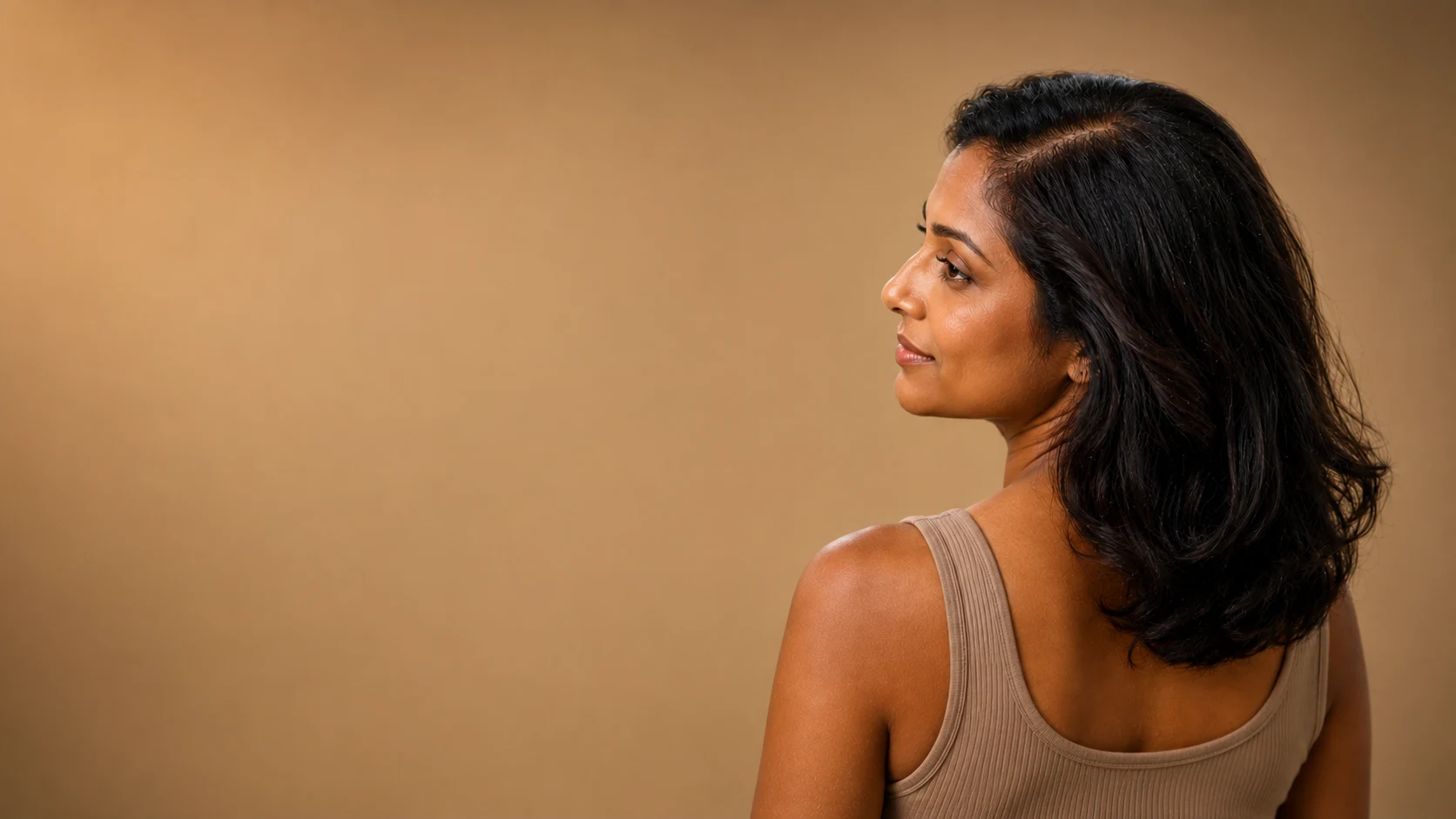
Hair shedding — clinically telogen effluvium when sudden and diffuse — is a different pattern from gradual hair thinning. It usually begins 2–3 months after a triggering event (illness, surgery, severe stress, childbirth, significant weight change) and shows as clumps of hair coming out evenly across the scalp rather than thinning in a specific pattern. Most cases recover spontaneously once the trigger has resolved. Treatment is supportive: identify and address the trigger, ensure nutritional and medical investigations where appropriate, and provide scalp support to encourage recovery.

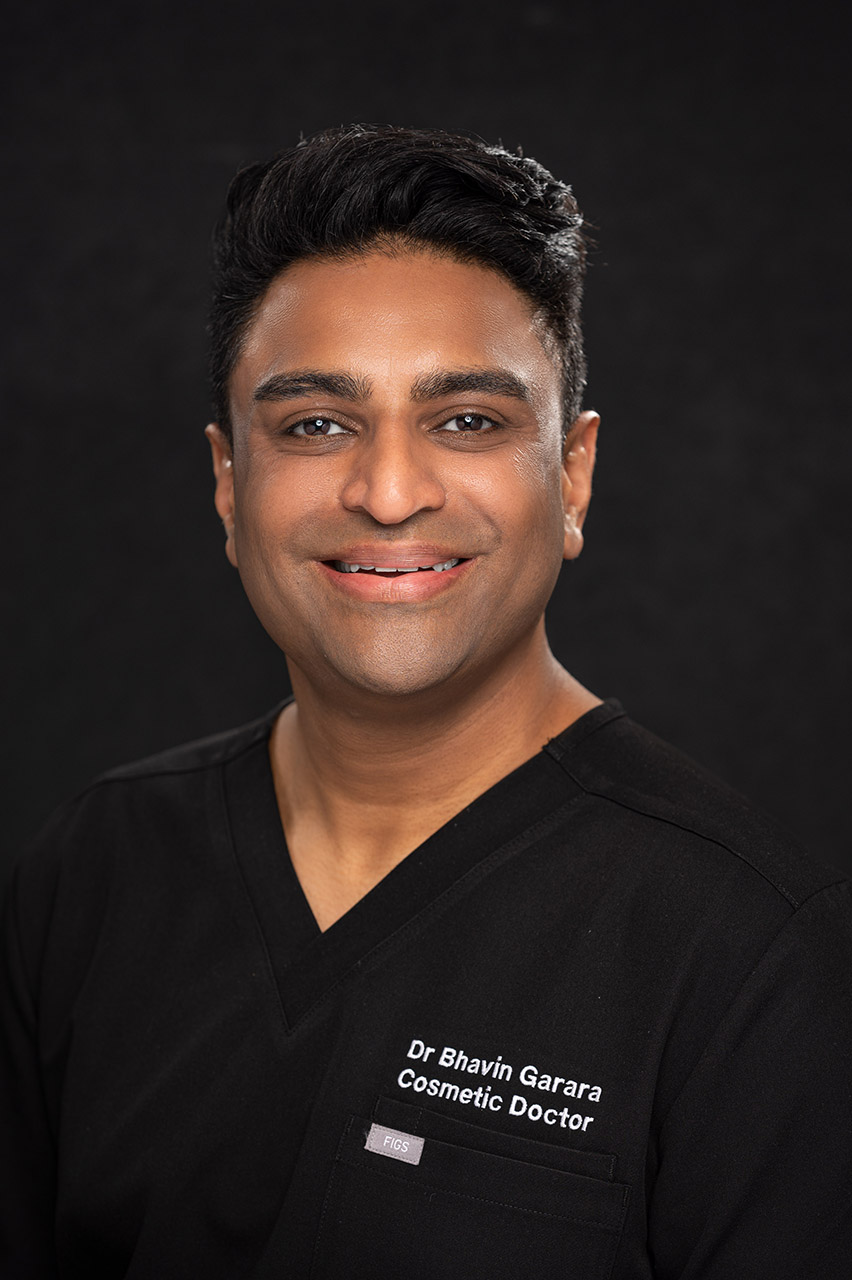
Medically reviewed by Dr Bhavin Garara, GMC 7155707 · Last reviewed: 18 May 2026

Sudden or severe hair shedding can be a sign of an underlying medical condition — thyroid disease, iron-deficiency anaemia, hormonal imbalance, autoimmune conditions, and others. Sudden hair loss in patches (alopecia areata) is a different condition that needs dermatological assessment. This page is general information, not a diagnosis. Dr Garara will assess you in person, may recommend blood tests, and will route you to GP / dermatology / trichology where appropriate before aesthetic treatment.

What it is

What Is Hair Shedding?

Book a Consultation

Hair follicles cycle through growth (anagen), transition (catagen), and rest (telogen) before the resting hair sheds and a new one grows. Around 10% of follicles are usually in the telogen phase at any time. In telogen effluvium, a triggering event pushes a much larger proportion of follicles into the telogen phase simultaneously. Two to three months later, those resting hairs shed — producing the characteristic sudden, diffuse shedding that is often described as “clumps in the shower.”

Dr Bhavin Garara’s approach is patient-honest: most telogen effluvium recovers spontaneously over 6–12 months once the trigger has resolved. Treatment supports recovery rather than replacing the body’s natural cycle.

What causes it

Causes of Telogen Effluvium

  1. 1

    Major medical event

    Significant illness (including post-viral, such as following COVID), surgery, or hospitalisation can trigger shedding 2–3 months later.

  2. 2

    Childbirth

    Postpartum hair shedding is extremely common, typically beginning around 3 months after birth and lasting several months. It is usually self-limiting.

  3. 3

    Severe stress

    Major life events, bereavement, and severe acute stress can produce diffuse shedding.

  4. 4

    Nutritional deficiencies

    Iron-deficiency anaemia, low ferritin, vitamin D deficiency, and significant protein deficit can all drive shedding. Blood tests are often part of the assessment.

  5. 5

    Thyroid disease

    Both hypothyroidism and hyperthyroidism can cause diffuse hair loss.

  6. 6

    Medications

    Some medications (including some antidepressants, beta-blockers, anticoagulants, and others) can trigger shedding.

  7. 7

    Drastic weight loss or dietary change

    Rapid weight loss, very-low-calorie diets, or sudden restrictive eating can trigger shedding 2–3 months later.

  8. 8

    Hormonal changes

    Stopping the contraceptive pill, perimenopause, and other hormonal shifts can trigger shedding.

Dr Bhavin Garara
Dr Bhavin Garara, MBBS, BMedSci, PGDip
Book a Consultation
Dr Garara's approach

How Dr Bhavin Garara Treats Hair Shedding

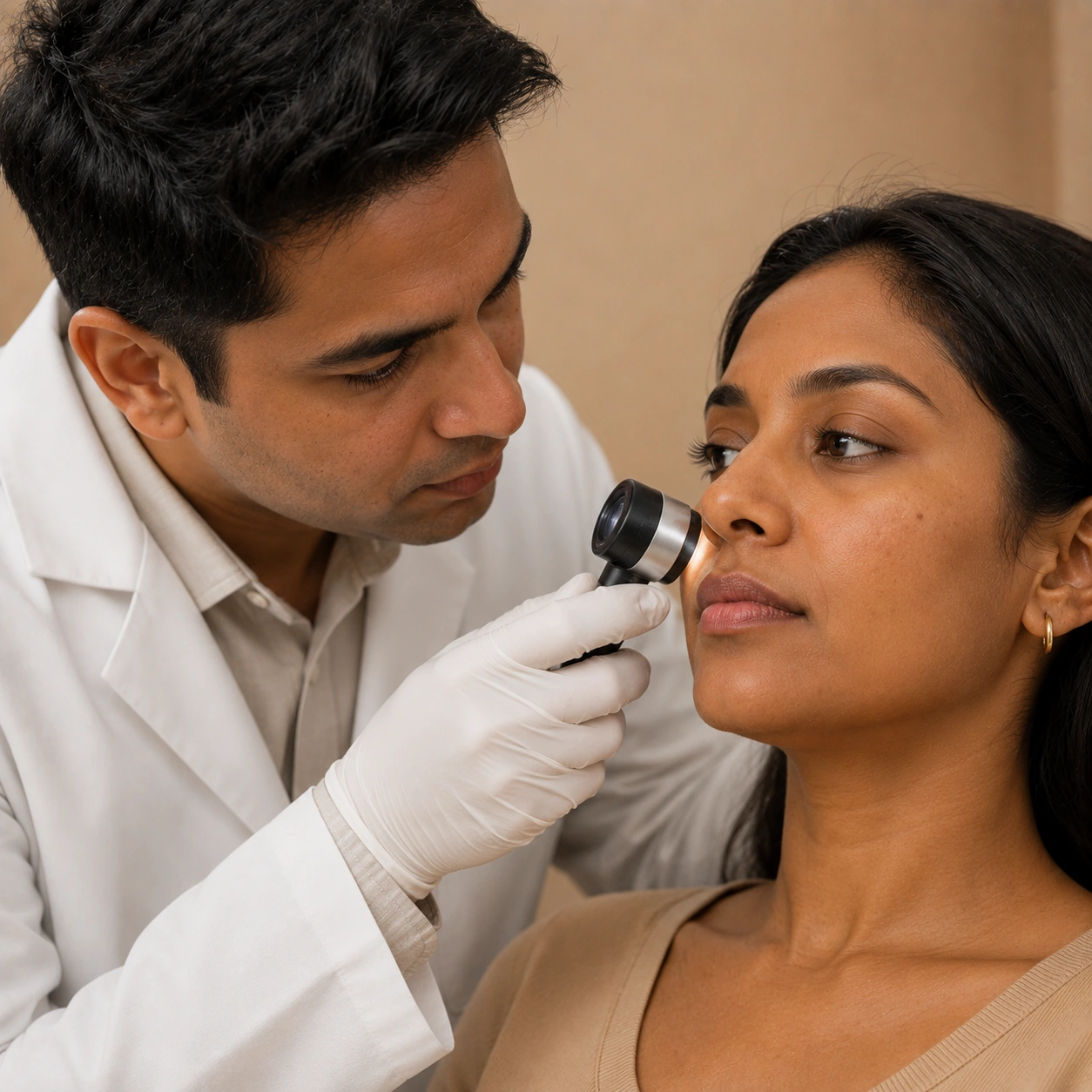
At the clinics in London, Dr Garara assesses the timing and pattern of shedding, possible triggers, family and medical history, and any indications for blood-test investigations. The plan combines triaging anything that warrants medical investigation (via GP referral where appropriate), nutritional and lifestyle support, and supportive scalp treatments to encourage recovery. The aim is to support the body’s natural cycle rather than promise an instant reversal.
  • Anatomy-led assessmentTreatment plans built around your unique facial structure and movement.
  • Personalised planCombinations chosen for your skin, goals, and lifestyle — not a one-size-fits-all protocol.
  • Natural resultsA refreshed, well-rested version of you — never a frozen or over-treated look.

Features

Treatment Options

Address the underlying trigger, multi-ingredient mesotherapy, PRP and platelet-derived exosomes, polynucleotides, radiofrequency microneedling, and topical scalp products.

Address the underlying trigger first

Address the underlying trigger first

Telogen effluvium responds best when the underlying trigger is identified and addressed — iron, thyroid, medication adjustment, nutritional support, stress, and sleep.

Multi-ingredient mesotherapy (NCTF, klardie)

Multi-ingredient mesotherapy (NCTF, klardie)

Multi-ingredient products combining hyaluronic acid with amino acids, peptides, vitamins, and DNA-derived components delivered to the scalp environment.

PRP and platelet-derived exosomes

PRP and platelet-derived exosomes

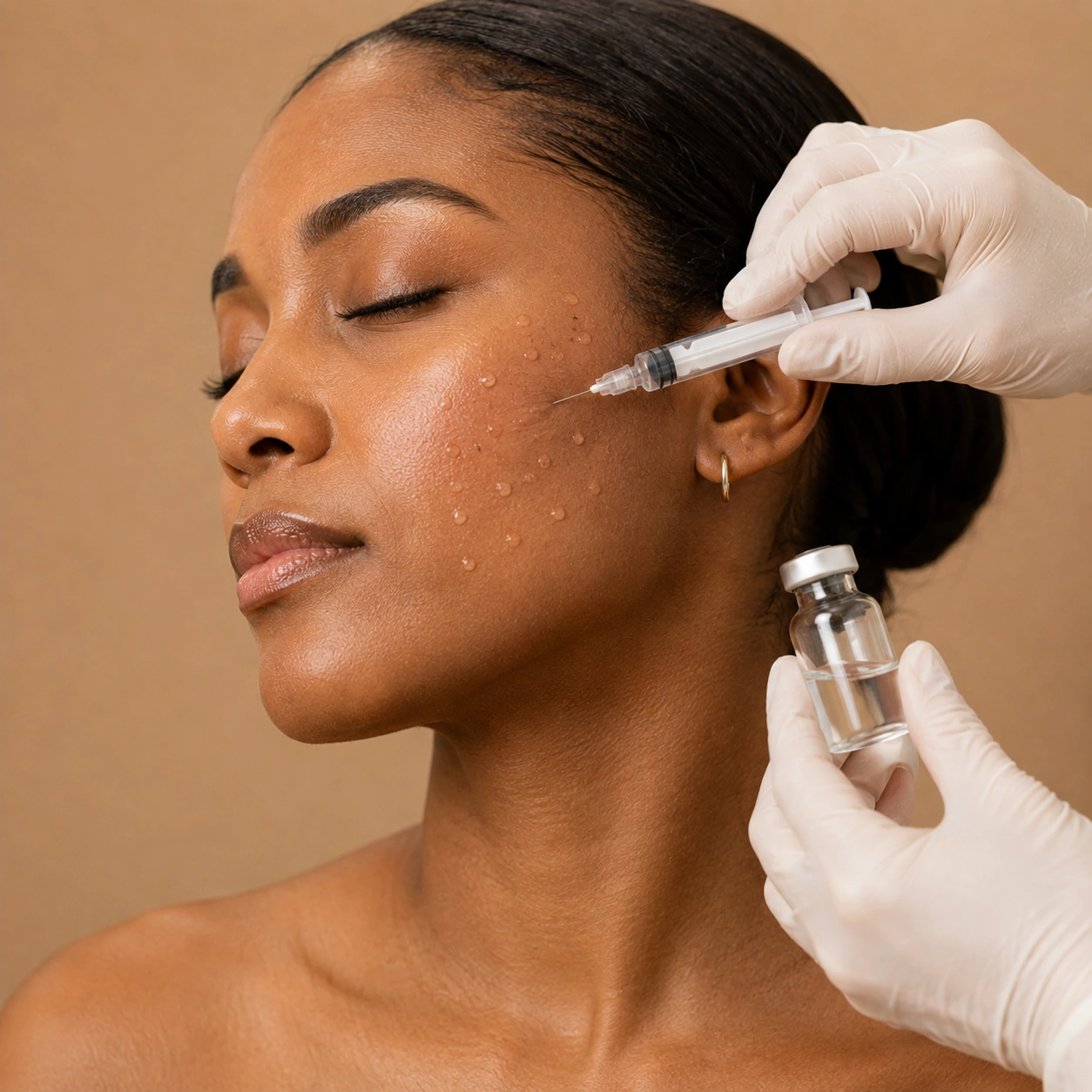
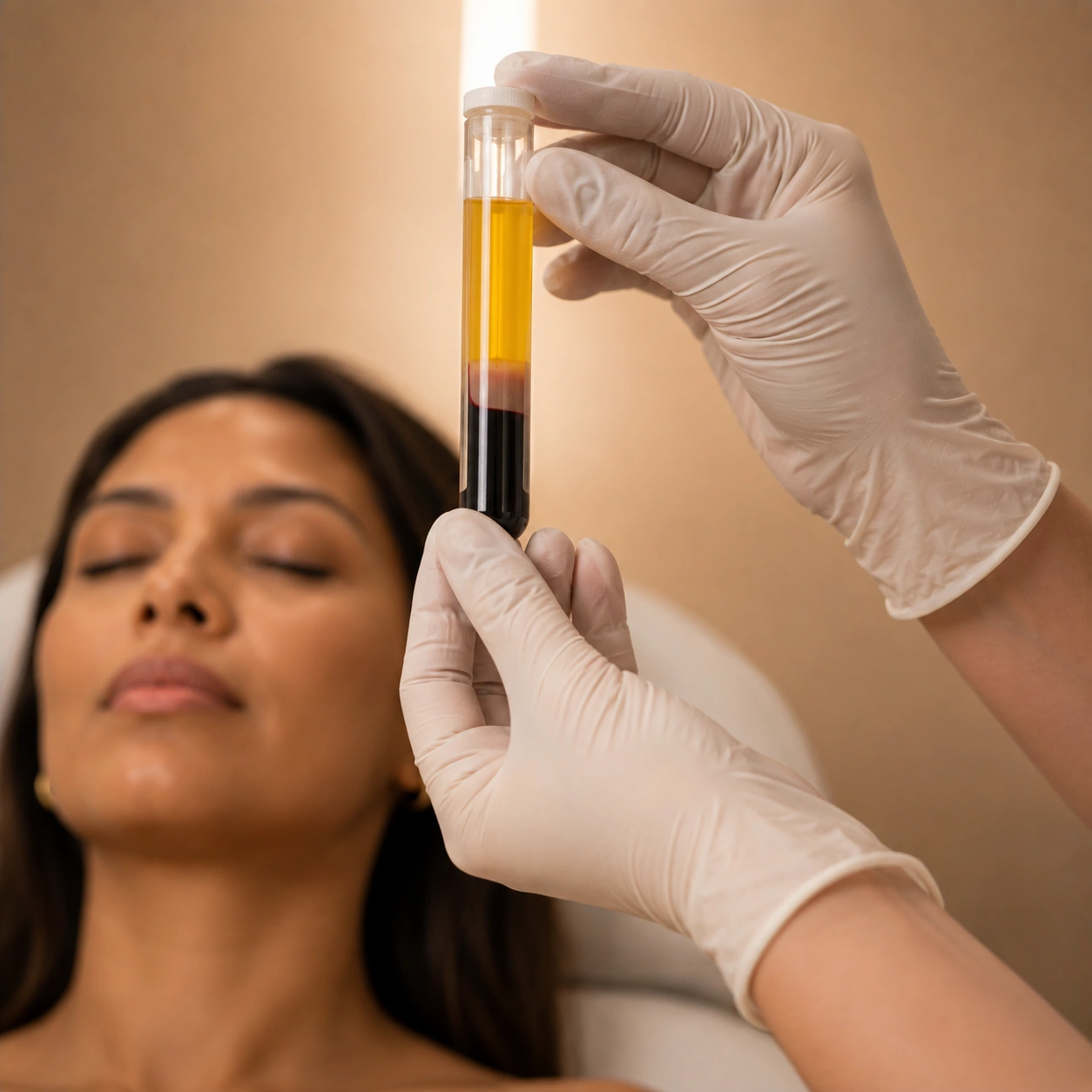
Both autologous (derived from your own blood / platelets). PRP and platelet-derived exosomes are distinct treatments and support the scalp environment for follicle function.

See PRP (Platelet-Rich Plasma)
Polynucleotides (Rejuran®)

Polynucleotides (Rejuran®)

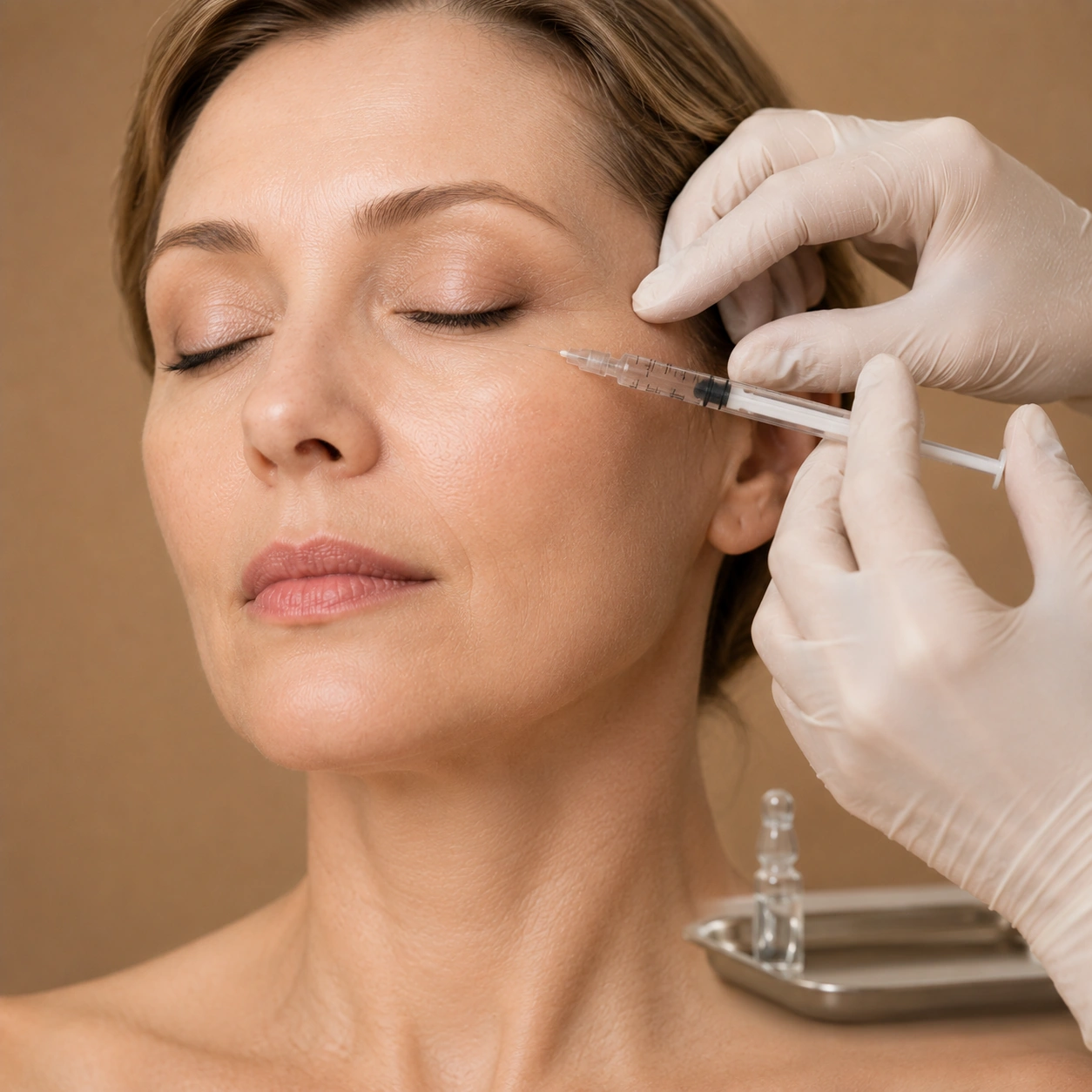
Long-chain DNA fragments injected into the scalp are understood to act as a “repair signal” supporting fibroblasts in the scalp tissue.

See Polynucleotides
Radiofrequency microneedling (Sylfirm X)

Radiofrequency microneedling (Sylfirm X)

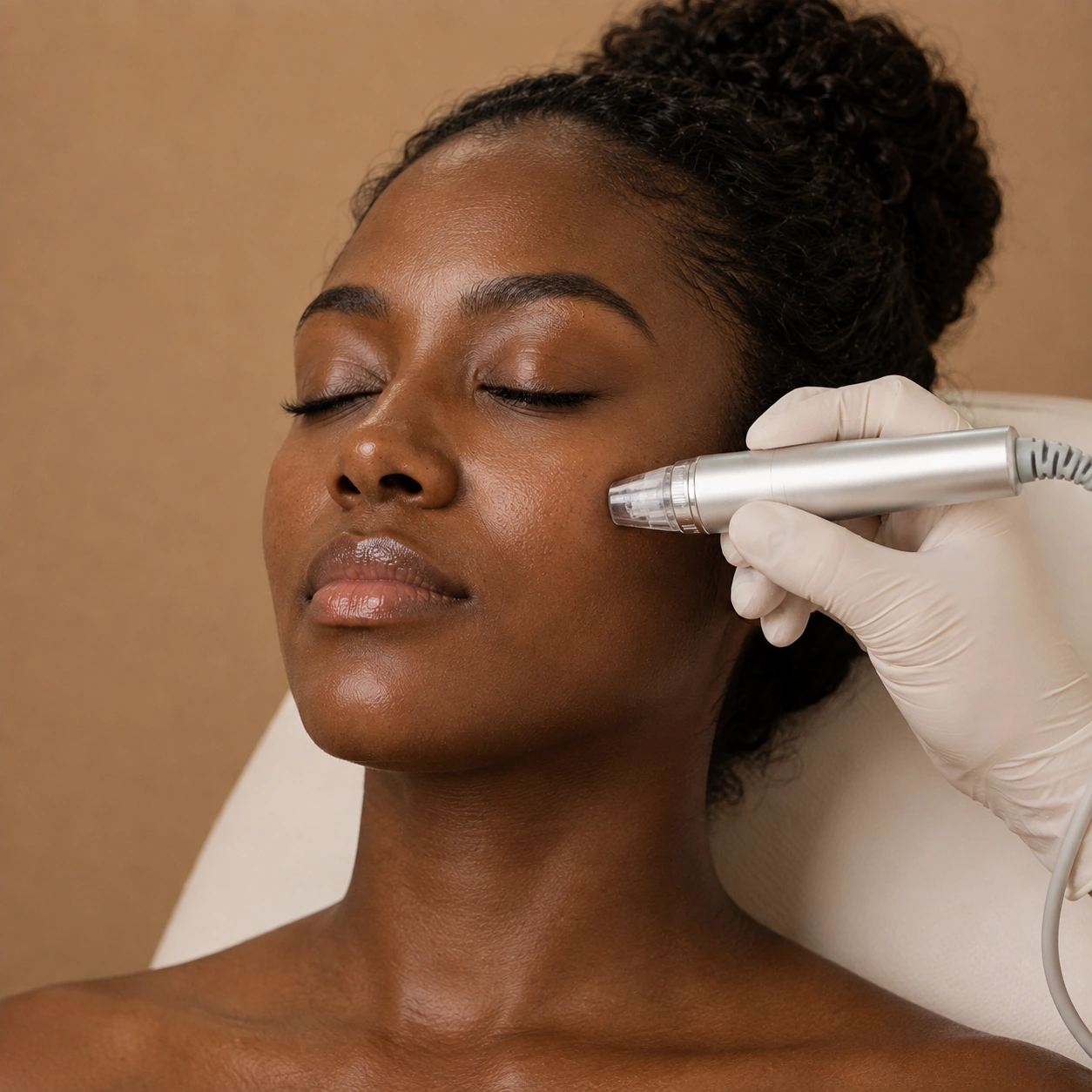
Delivered carefully on the scalp to support microcirculation and enhance delivery of topical scalp treatments.

See Sylfirm X
Topical scalp products and medical-grade options

Topical scalp products and medical-grade options

Topical minoxidil (over-the-counter) has the strongest evidence base. Prescription scalp treatments are best discussed via GP / dermatologist / specialist hair clinic.

Treatment is supportive — address the underlying trigger first, then layer in scalp mesotherapy, regenerative therapies, and topical support to encourage recovery.

Address the underlying trigger first

Telogen effluvium responds best when the underlying trigger is identified and addressed. This may mean:

  • Iron / ferritin supplementation under GP guidance where deficient.
  • Thyroid evaluation by your GP.
  • Adjustment of medication (with the prescribing clinician) where it is contributing.
  • Nutritional support — particularly protein, iron, and B vitamins.
  • Stress management and sleep.

Multi-ingredient mesotherapy (NCTF, klardie)

  • Best for: Nutritional and environmental support
  • Downtime: 1 day of mild scalp tenderness
  • Lasts: Around 6–12 months with a course

NCTF and klardie are multi-ingredient products combining hyaluronic acid with amino acids, peptides, vitamins, and DNA-derived components. Used as scalp mesotherapy, they deliver supportive nutrients directly to the scalp environment.

PRP and platelet-derived exosomes

  • Best for: Supporting scalp recovery alongside other treatments
  • Downtime: 1–2 days of mild scalp redness
  • Lasts: Variable; benefits build over a course

PRP (autologous, derived from your own blood) and platelet-derived exosomes (autologous, derived from your own platelets, distinct from PRP) support the scalp environment for follicle function. The evidence base is developing for use in telogen effluvium specifically; the treatments are well-established in androgenetic alopecia.

Polynucleotides (Rejuran®)

  • Best for: Inflamed or sensitive scalps
  • Downtime: 1 day of mild bumps
  • Lasts: Around 6–12 months with a course

Polynucleotides injected into the scalp are understood to act as a “repair signal” supporting fibroblasts in the scalp tissue.

Radiofrequency microneedling (Sylfirm X)

  • Best for: Supporting other treatments
  • Downtime: 1–2 days of mild redness
  • Lasts: Long-lasting with maintenance

Sylfirm X delivered carefully on the scalp supports microcirculation and can be used to enhance the delivery of topical scalp treatments.

Topical scalp products and medical-grade options

  • Best for: Daily support
  • Downtime: None
  • Lasts: Ongoing with consistent use

Topical minoxidil (over-the-counter) has the strongest evidence base for supporting scalp health and is sometimes used in telogen effluvium under appropriate guidance. Prescription scalp treatments are best discussed via GP, dermatologist, or specialist hair clinic.

Considering treatment for hair shedding?

Book a consultation with Dr Bhavin Garara.

Book a Consultation
Compare at a glance

Treatments at a Glance

Multi-ingredient mesotherapy (NCTF, klardie)

Best suited for
Nutritional and environmental support
Typical downtime
1 day of mild scalp tenderness
How long results last
Around 6–12 months with a course
What it does
Supports the scalp environment

PRP / platelet-derived exosomes

Best suited for
Supporting scalp recovery alongside other treatments
Typical downtime
1–2 days of mild scalp redness
How long results last
Variable; benefits build over a course
What it does
Supports the scalp microenvironment

Polynucleotides (Rejuran®)

Best suited for
Inflamed or sensitive scalps
Typical downtime
1 day of mild bumps
How long results last
Around 6–12 months with a course
What it does
Supports fibroblast activity

Radiofrequency microneedling

Best suited for
Supporting other treatments
Typical downtime
1–2 days of mild redness
How long results last
Long-lasting with maintenance
What it does
Microcirculation and topical delivery

GP / dermatology referral

Best suited for
Investigation of underlying triggers; medical treatment
Typical downtime
N/A
How long results last
Ongoing medical care
What it does
Diagnoses and treats medical contributors

Topical scalp products

Best suited for
Daily support
Typical downtime
None
How long results last
Ongoing with consistent use
What it does
Supports scalp health

Downtime and duration figures are typical averages only. Individual results vary considerably. Dr Garara will give you a more personalised picture at consultation.

Safety & risk

Is Treatment Safe?

Scalp aesthetic treatments are widely performed and generally well tolerated. Risks include short-lived scalp tenderness, mild redness, and small bumps at injection sites.

We share this because patients deserve full information. Dr Garara is happy to discuss specific risks at consultation. The page makes no claim that any treatment cures telogen effluvium; we are honest about realistic outcomes and the importance of addressing underlying causes.
  • Qualified medical practitionerTreatment carried out by an experienced doctor with detailed anatomical training.
  • Reversal agents on handHyaluronidase and other complication-management tools are immediately available.
  • Full informed consentRisks, alternatives, and expected outcomes discussed in detail before any treatment.
Dr Bhavin Garara
Reviewed byDr Bhavin Garara

Frequently Asked Questions

Common questions about treating hair shedding.

Read next

Related Concerns

Hair shedding connects to hair thinning. You may also want to read about:

← All hair concerns

For an overview of all the facial concerns we treat, visit our Hair treatments hub.

Next step

Ready to take the next step?

Book a consultation with Dr Bhavin Garara.

Book a Consultation

Begin with a proper assessment.

Tell us a little about what you're looking for and we'll match you with the right consultation — at the clinic or virtually.

  • Your enquiry goes directly to Dr Bhavin's team.
  • We'll be in touch within one working day.
  • All consultations are strictly confidential.

This page is for general information and does not constitute medical advice. All treatments require a personal consultation. Suitability, risks, and expected outcomes will be discussed with you in detail before any treatment is carried out.