



Dr Bhavin Garara
HomeContact UsUHai — Analyse My Skin
Ageing Hands

Ageing Hands

The backs of the hands age earlier and more visibly than the face for many people. The skin is thin, the subcutaneous fat layer is shallow, and the area is heavily exposed to UV light yet rarely sun-protected with the same care as the face. Effective treatment usually combines volume restoration (HA filler, biostimulators, or Seffiller in selected cases), regenerative skin treatments to thicken the dermis, pigment clearance for age spots, and consistent daily SPF.

Medically reviewed by Dr Bhavin Garara, GMC 7155707 · Last reviewed: 17 March 2026

What it is

What Are Ageing Hands?

Book a Consultation

A youthful hand has a soft cushion of subcutaneous tissue over the back, smooth skin, even colour, and underlying veins, tendons, and joints that are present but not prominent. Ageing reduces the fat cushion, thins the skin, and produces pigmentary change — so veins, tendons, and small joints become more visible, the skin develops fine crinkling (crepiness), and discrete age spots appear.

Dr Bhavin Garara’s approach addresses all four components — volume, skin quality, pigment, and sun protection. Treatment is usually layered rather than relying on a single intervention.

What causes it

What Causes Ageing Hands?

  1. 1

    Loss of subcutaneous fat

    The cushion of fat over the back of the hand thins with age, revealing the underlying veins, tendons, and small joints.

  2. 2

    UV damage

    The hands receive significant UV exposure year-round — through windscreens while driving, while walking, while gardening — and are usually under-protected. UV is the dominant driver of skin thinning, age spots, and crepiness on the hands.

  3. 3

    Decline in collagen and elastin

    Fibroblast activity declines with age and the dermis becomes thinner and less elastic.

  4. 4

    Repeated mechanical wear

    Frequent handwashing, exposure to hot water, detergents, and gardening or work-related friction all accelerate skin barrier damage.

  5. 5

    Pigmentary accumulation

    Age spots (sometimes called liver spots or lentigines — see age spots) develop where melanocytes have responded to cumulative UV exposure.

Dr Bhavin Garara
Dr Bhavin Garara, MBBS, BMedSci, PGDip
Book a Consultation
Dr Garara's approach

How Dr Bhavin Garara Treats Ageing Hands

At the clinics in London, Dr Garara assesses at consultation the volume of the subcutaneous cushion, the thickness and quality of the dermis, the pigment pattern, the prominence of veins and tendons, and your daily sun-protection habits. The plan usually combines volume restoration with skin-quality treatments and pigment clearance, alongside coaching on daily SPF.
  • Anatomy-led assessmentTreatment plans built around your unique facial structure and movement.
  • Personalised planCombinations chosen for your skin, goals, and lifestyle — not a one-size-fits-all protocol.
  • Natural resultsA refreshed, well-rested version of you — never a frozen or over-treated look.

Prevention

Home Care for Ageing Hands

Consistent daily habits make a meaningful difference to how quickly the hands show ageing.

Prevention

Features

Treatment Options for Ageing Hands

Volume restoration (HA filler, biostimulators, Seffiller), regenerative skin treatments, pigment clearance, and non-ablative resurfacing.

Volume restoration

Volume restoration

HA filler placed using a cannula softens the prominence of veins and tendons. Collagen biostimulators (PLLA / CaHA) build collagen gradually. Seffiller (autologous fat) provides volume using the patient’s own tissue in selected patients.

Regenerative skin treatments

Regenerative skin treatments

Polynucleotides (Rejuran®), PDRN, multi-ingredient skinboosters (Profhilo, Sunekos, NCTF, klardie), and autologous PRP / platelet-derived exosomes support tissue quality.

Pigment clearance

Pigment clearance

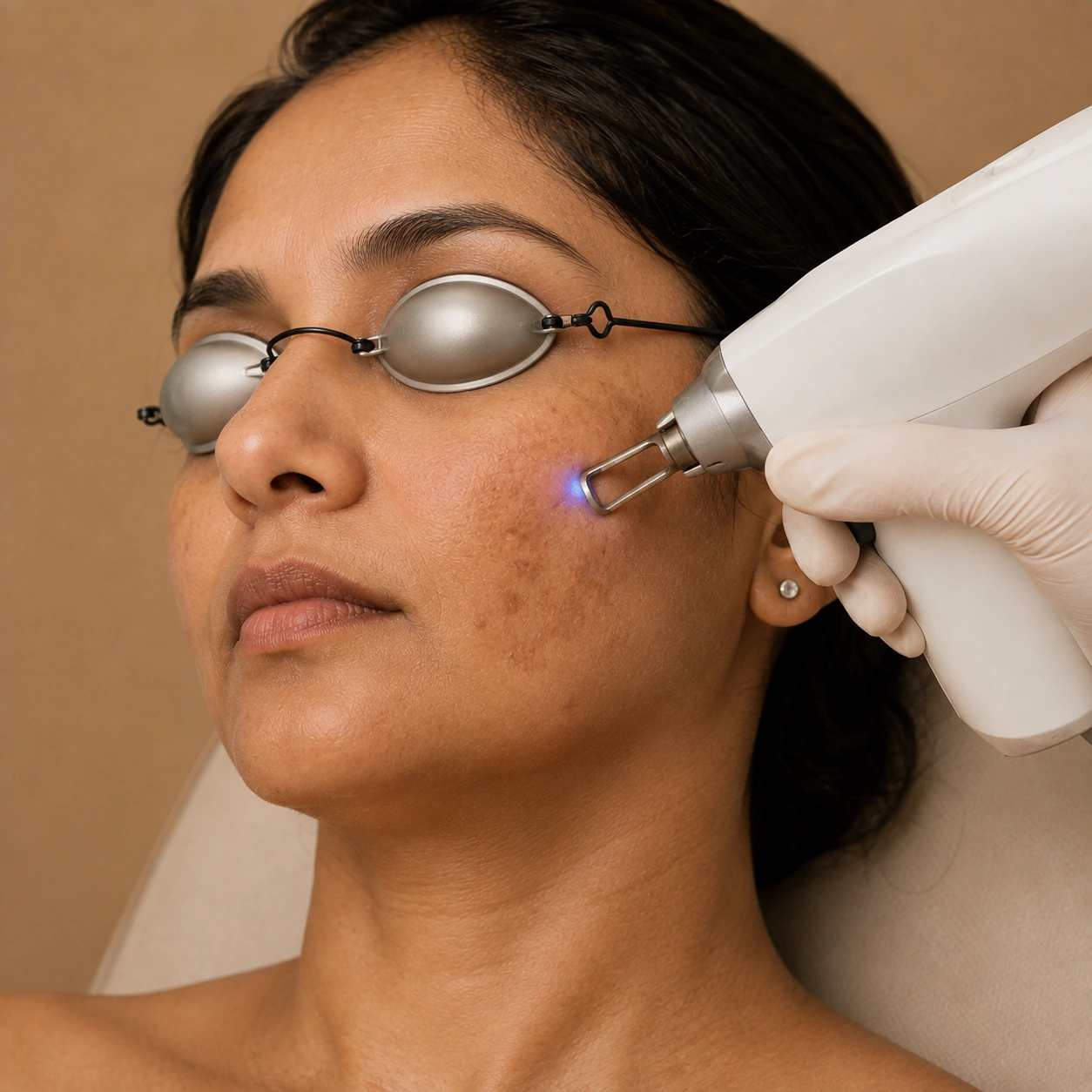
PicoSure Pro picosecond laser breaks down melanin clusters for age spots and discrete pigmentation. Derma V addresses any vascular or redness component.

Surface resurfacing

Surface resurfacing

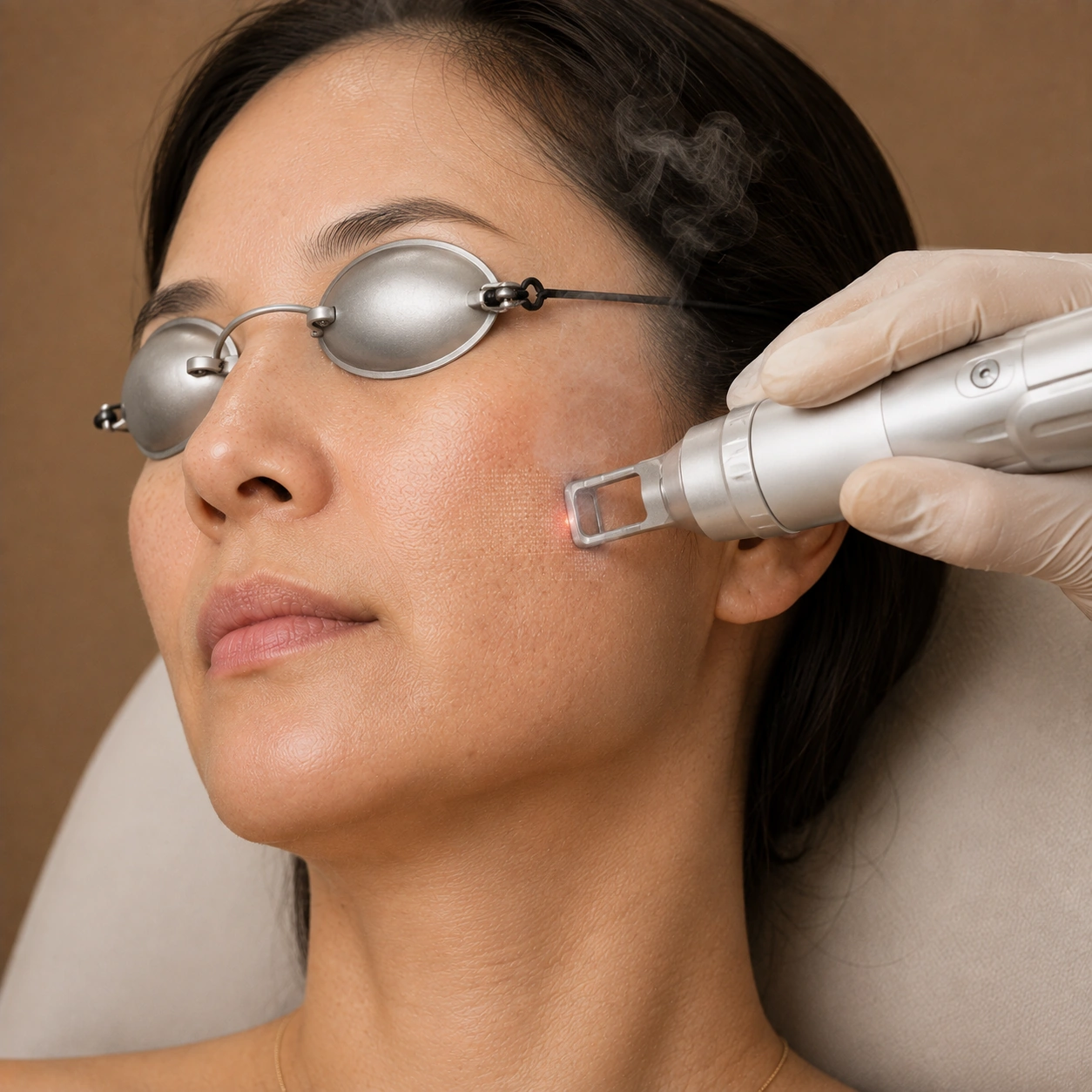
MultiFrax (a 1927nm non-ablative laser) refines the surface of the hand skin, lifting generalised dullness and diffuse pigmentation with limited downtime.

Treatment is layered — volume restoration, regenerative skin treatments, pigment clearance, and surface resurfacing — chosen by what is actually changing and your priorities.

Volume restoration

Hyaluronic acid (HA) filler placed using a cannula across the back of the hand can soften the prominence of veins and tendons. Collagen biostimulators — PLLA or CaHA preparations including HA + CaHA hybrids — build collagen gradually for longer-term firmness. For selected patients, Seffiller (autologous fat grafting) provides volume using the patient’s own tissue; a proportion of the transferred fat integrates and provides long-lasting volume; results vary between individuals.

Hyaluronic acid filler is reversible. See our filler removal and dissolving page.

See our page on filler removal and dissolving.

Regenerative skin treatments

For thin, crepey hand skin, polynucleotides (Rejuran®) and PDRN are understood to act as a “repair signal” — supporting fibroblasts to produce more collagen and elastin. Multi-ingredient skinboosters (Profhilo, Sunekos, NCTF, klardie) deliver hydration and balanced nutrients. PRP and platelet-derived exosomes (both autologous, derived from your own platelets) support tissue quality. A course of 2–3 sessions a few weeks apart is typical.

Pigment clearance

For age spots and discrete pigmentation, PicoSure Pro delivers very short pulses of light energy designed to break down melanin clusters with reduced thermal effect. Derma V can address any vascular or redness component. Treatment for higher Fitzpatrick skin types (IV–VI) requires careful device selection and conservative settings to reduce the risk of post-inflammatory hyperpigmentation or, in some cases, keloid scarring. Dr Garara has particular experience in aesthetic medicine for skin of colour.

Surface resurfacing

  • Best for: General dullness and diffuse pigmentation
  • Downtime: A few days of mild flaking
  • Lasts: Long-lasting; results continue developing for months

MultiFrax (a 1927nm non-ablative laser) refines the surface of the hand skin, lifting generalised dullness and diffuse pigmentation with limited downtime.

Considering treatment for ageing hands?

Book a consultation with Dr Bhavin Garara.

Book a Consultation
Compare at a glance

Treatments at a Glance

HA filler / collagen biostimulators

Best suited for
Volume loss, prominent veins and tendons
Typical downtime
1–3 days of mild swelling
How long results last
HA ~12 months; biostimulators ~12–18 months following a course
What it does
Restores the cushion of the hand

Seffiller (autologous)

Best suited for
Selected patients with significant volume loss
Typical downtime
5–10 days of swelling
How long results last
Variable — a proportion integrates and lasts; results vary
What it does
Restores volume using the patient’s own tissue

Polynucleotides, PDRN, skinboosters, PRP / exosomes

Best suited for
Thin, crepey hand skin
Typical downtime
1–3 days of mild bumps
How long results last
Around 6–12 months with a course
What it does
Supports skin quality and dermal thickness

Picosecond laser

Best suited for
Age spots and discrete pigmentation
Typical downtime
1–5 days of darkening and flaking
How long results last
Long-lasting with daily SPF
What it does
Breaks down melanin clusters

Vascular laser

Best suited for
Any redness or vascular component
Typical downtime
1–3 days of swelling
How long results last
Long-lasting
What it does
Targets visible blood vessels

Non-ablative laser resurfacing

Best suited for
General dullness and diffuse pigmentation
Typical downtime
A few days of mild flaking
How long results last
Long-lasting; results continue developing for months
What it does
Resurfaces the top layer of skin

Downtime and duration figures are typical averages only. Individual results vary considerably. Dr Garara will give you a more personalised picture at consultation.

Safety & risk

Is Hand Treatment Safe?

Hand injectables and energy-based treatments are widely performed and generally well tolerated. The hand contains a network of veins and small arteries close to the surface, so technique matters — cannula placement is usual for filler and biostimulator in this area. Energy-based treatments carry the usual risks of post-inflammatory pigment change, transient swelling, and rarely scarring; these are reduced by experienced operator technique and patient-specific protocols. We share this not to alarm you but because patients deserve full information. Dr Garara is happy to discuss specific risks at consultation.

  • Qualified medical practitionerTreatment carried out by an experienced doctor with detailed anatomical training.
  • Reversal agents on handHyaluronidase and other complication-management tools are immediately available.
  • Full informed consentRisks, alternatives, and expected outcomes discussed in detail before any treatment.
Dr Bhavin Garara
Reviewed byDr Bhavin Garara

Frequently Asked Questions

Common questions about treating ageing hands.

Read next

Related Concerns

Ageing hands often appear alongside other neck and décolletage concerns. You may also want to read about:

← All hands, neck and décolletage concerns

For an overview of all the facial concerns we treat, visit our Hands, neck and décolletage hub.

Next step

Ready to take the next step?

Book a consultation with Dr Bhavin Garara.

Book a Consultation

Begin with a proper assessment.

Tell us a little about what you're looking for and we'll match you with the right consultation — at the clinic or virtually.

  • Your enquiry goes directly to Dr Bhavin's team.
  • We'll be in touch within one working day.
  • All consultations are strictly confidential.

This page is for general information and does not constitute medical advice. All treatments require a personal consultation. Suitability, risks, and expected outcomes will be discussed with you in detail before any treatment is carried out.