

Dr Bhavin Garara
HomeContact UsUHai — Analyse My Skin
Pigmentation

Pigmentation

Facial pigmentation appears in several distinct forms — sun spots, melasma, and post-inflammatory hyperpigmentation are the most common. They share the appearance of uneven darkening but have different causes, behave differently, and respond to different treatments. Choosing the wrong treatment can make some types worse. Effective treatment depends on accurate diagnosis at consultation and a combination of laser, topical, and regenerative options — with strict daily SPF as the foundation.

Medically reviewed by Dr Bhavin Garara, GMC 7155707 · Last reviewed: 28 April 2026

Pigmentation conditions including melasma and post-inflammatory hyperpigmentation are recognised medical conditions, and more than one cause can look similar. Some pigmented lesions can indicate skin cancer or other medical conditions. This page is general information, not a diagnosis. Dr Garara will assess your skin and history in person; any suspicious, changing, or asymmetric lesion warrants GP or dermatology review before aesthetic treatment.

What it is

What Is Facial Pigmentation?

Book a Consultation

The pigment that gives skin its colour is melanin, produced by cells called melanocytes within the epidermis. Pigmentation conditions involve melanocytes producing excess melanin, depositing it in unusual patterns, or melanin spilling into the deeper dermis. Understanding where the pigment sits (epidermal vs dermal) and what is driving its production shapes treatment.

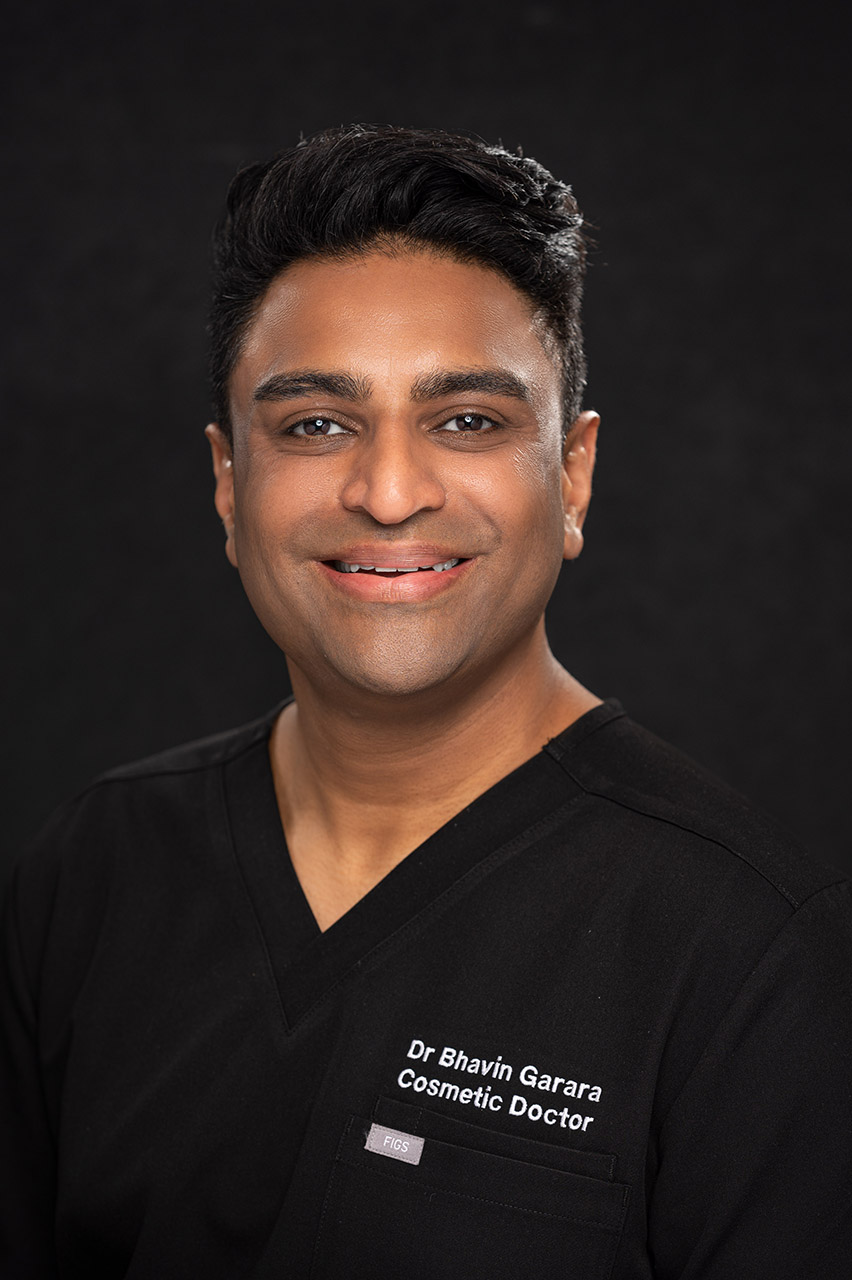
Dr Bhavin Garara’s approach is to identify which form of pigmentation is present, treat it with the appropriate combination of devices and topicals, and — critically — protect the result with daily SPF and skin-of-colour-aware protocols.

Where it shows

Types of Pigmentation

  • Sun spots (solar lentigines)

    Discrete, flat brown spots caused by cumulative UV exposure. Sit mainly in the epidermis. Most responsive to picosecond laser. See also age spots.

  • Melasma

    Chronic, hormonally and genetically driven symmetrical brown or grey patches, often on the cheeks, forehead, and upper lip. Sits at variable depths and is sensitive to heat — aggressive heat-based devices can worsen it. Needs a careful, conservative approach.

  • Post-inflammatory hyperpigmentation (PIH)

    Darker marks left after acne, injury, or skin inflammation. More common and longer-lasting in skin of colour. Responds to topical and gentle laser approaches.

  • Freckles (ephelides)

    Smaller, lighter, often genetically determined spots that darken with sun and fade with avoidance.

What causes it

What Causes Pigmentation?

  1. 1

    UV exposure

    The dominant trigger for sun spots and a major aggravator of melasma and PIH.

  2. 2

    Hormones

    Pregnancy, oral contraception, and hormonal fluctuations are common triggers for melasma. Hormonal IUDs can also be implicated.

  3. 3

    Genetics and skin type

    Family history matters; darker Fitzpatrick types are more prone to melasma and PIH.

  4. 4

    Heat

    A less well-known driver. Hot environments, saunas, and aggressive heat-based laser can worsen melasma specifically.

  5. 5

    Inflammation

    Acne, eczema, allergic reactions, and skin injury can leave post-inflammatory marks.

  6. 6

    Medications and topical reactions

    Some medications cause photosensitivity. Some perfumes and cosmetics produce a photosensitised pigmentation pattern.

Dr Bhavin Garara
Dr Bhavin Garara, MBBS, BMedSci, PGDip
Book a Consultation
Dr Garara's approach

How Dr Bhavin Garara Treats Pigmentation

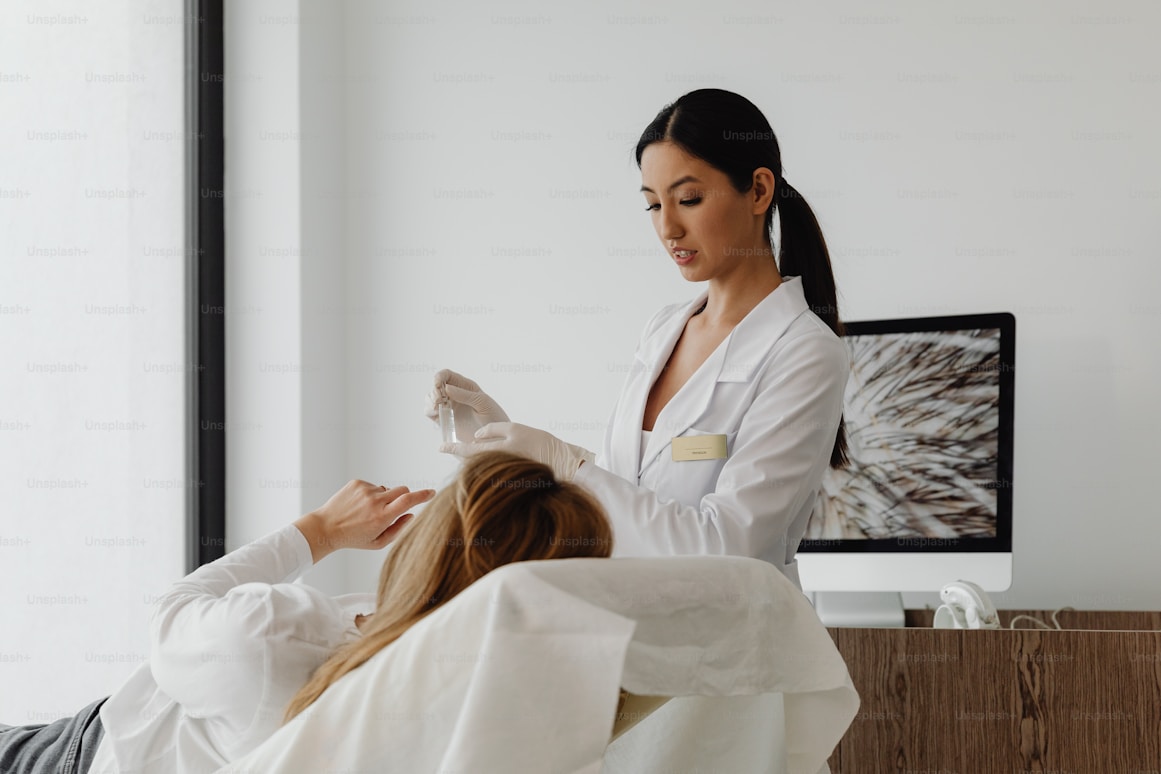
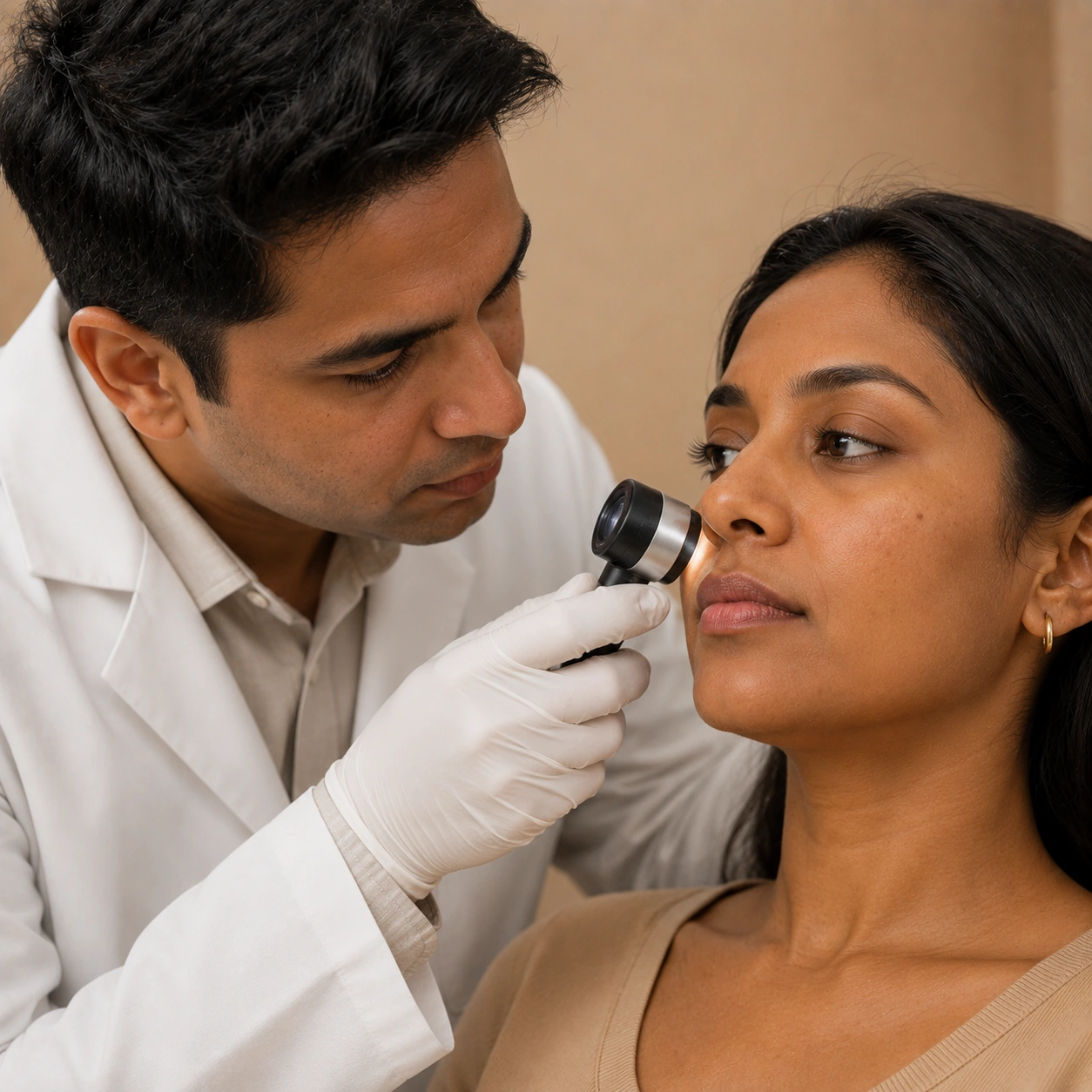
At the clinics in London, Dr Garara uses diagnostic lighting at consultation to determine whether pigment is epidermal or dermal, identifies which type of pigmentation is present, and identifies any indication for medical review.

The plan is tailored: discrete sun spots typically respond well to picosecond laser; melasma needs a particularly cautious approach (often combining low-fluence acoustic laser with topical management and strict sun protection); PIH usually responds to topical management plus very gentle laser only when the skin is in a calm state. Aggressive heat-based devices are avoided in melasma.

  • Anatomy-led assessmentTreatment plans built around your unique facial structure and movement.
  • Personalised planCombinations chosen for your skin, goals, and lifestyle — not a one-size-fits-all protocol.
  • Natural resultsA refreshed, well-rested version of you — never a frozen or over-treated look.

Prevention

Home Care for Pigmentation

The single most important thing you can do for any pigmentation is daily sun protection. A consistent home regimen amplifies clinical results.

Prevention

Features

Treatment Options for Pigmentation

Picosecond laser, vascular laser, non-ablative resurfacing, regenerative, and a medical-grade topical regimen — chosen by pigmentation type and skin type.

Picosecond laser (PicoSure Pro)

Picosecond laser (PicoSure Pro)

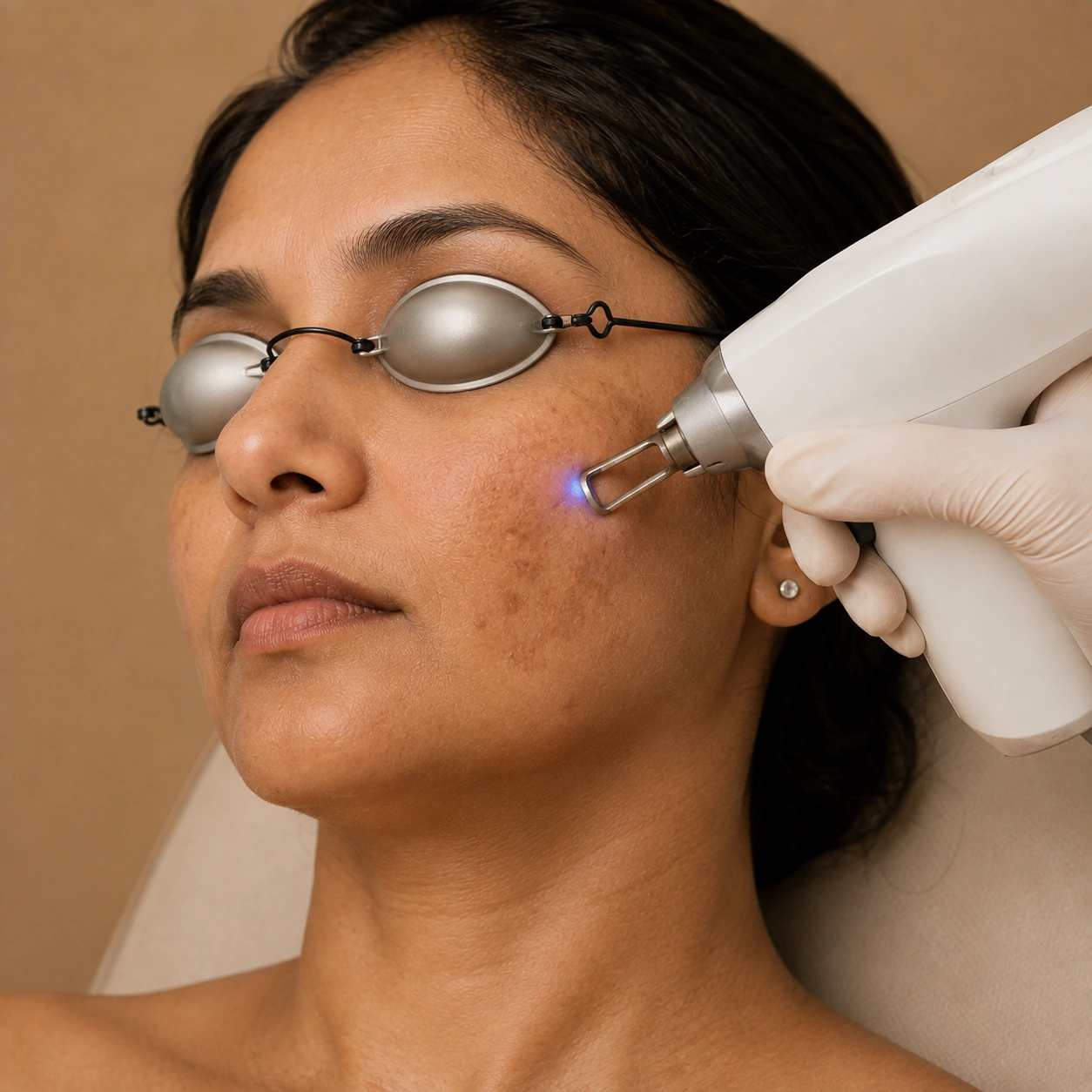
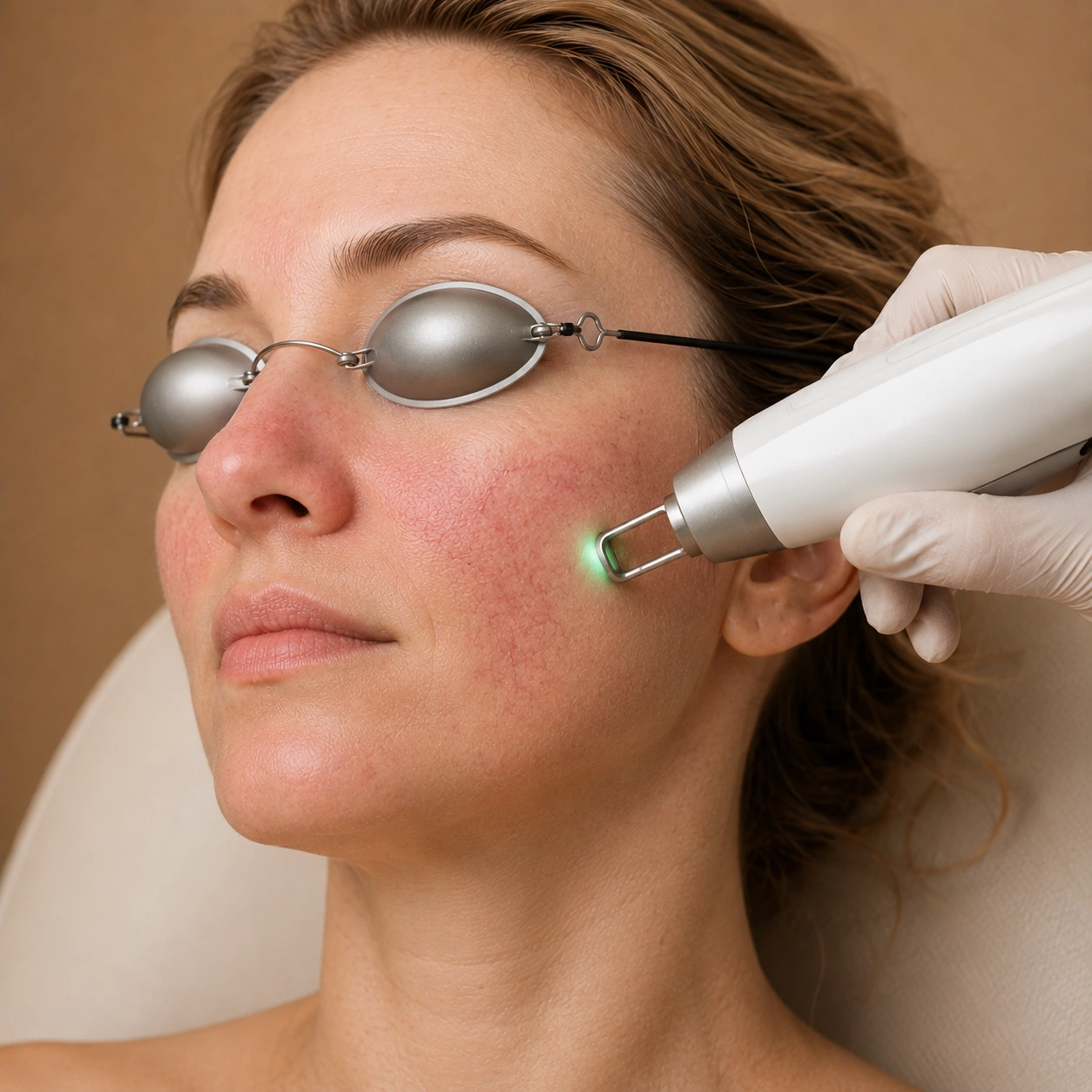
Very short pulses of light designed to break down melanin clusters with reduced thermal effect — particularly important in melasma.

See PicoSure Pro
Vascular laser (Derma V)

Vascular laser (Derma V)

For pigmentation with an underlying vascular component — addresses visible vessels and reduces background redness that feeds chronic pigmentation.

Non-ablative laser resurfacing (MultiFrax)

Non-ablative laser resurfacing (MultiFrax)

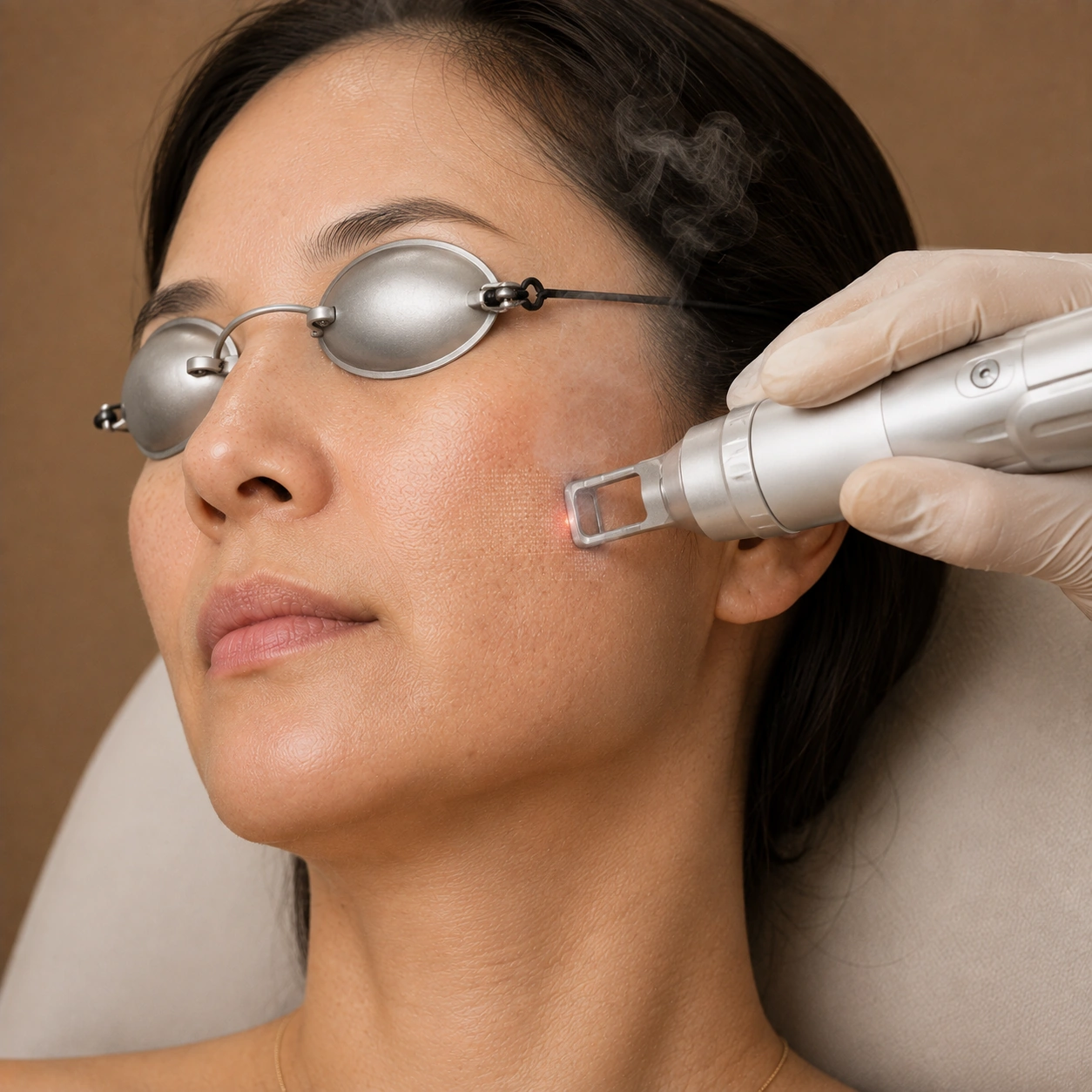
A 1927nm non-ablative laser refines diffuse mottling and superficial pigment with limited downtime.

See Multifrax laser
Regenerative skin treatments

Regenerative skin treatments

Polynucleotides (Rejuran®), PDRN, multi-ingredient skinboosters (Profhilo, klardie, NCTF), and autologous PRP / platelet-derived exosomes support barrier repair and skin quality.

Medical-grade topical regimen

Medical-grade topical regimen

Niacinamide, vitamin C, tranexamic acid, retinoids — and where prescribed, hydroquinone or alternatives. The daily foundation for melasma and PIH.

Treatment is tailored to the type of pigmentation identified, with daily SPF and a topical regimen as the daily foundation. Aggressive heat-based devices are avoided in melasma.

Picosecond laser (PicoSure Pro)

  • Best for: Sun spots, selected melasma, PIH
  • Downtime: 1–3 days of mild redness
  • Lasts: Long-lasting with daily SPF

For sun spots and selected melasma presentations, PicoSure Pro delivers very short pulses of light energy designed to break down melanin clusters with reduced thermal effect compared to longer-pulse lasers. Reduced heat is particularly important in melasma. Multiple sessions are typically needed.

Vascular laser (Derma V)

  • Best for: Pigmentation with underlying vascular component
  • Downtime: 1–3 days of mild swelling or redness
  • Lasts: Long-lasting

For pigmentation with an underlying vascular component, Derma V can address visible vessels and reduce background redness that feeds chronic pigmentation.

Non-ablative laser resurfacing (MultiFrax)

  • Best for: Diffuse mottling and surface dullness
  • Downtime: A few days of mild flaking
  • Lasts: Long-lasting; results develop over months

MultiFrax (a 1927nm non-ablative laser) refines diffuse mottling and superficial pigment with limited downtime.

Regenerative skin treatments

  • Best for: Barrier repair, supporting laser results
  • Downtime: 1–2 days of mild bumps
  • Lasts: Around 6–12 months with a course

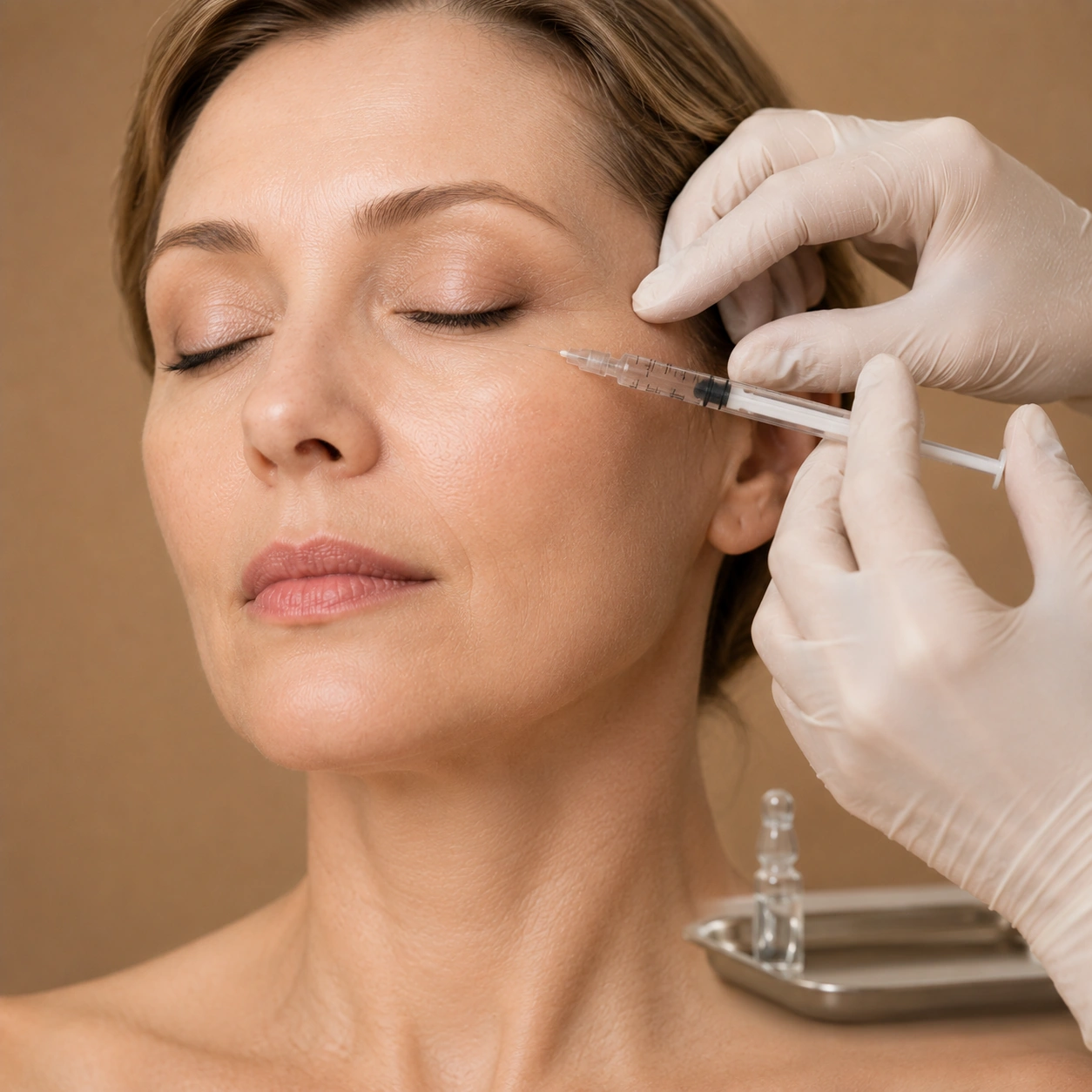
For barrier repair and to support normal melanocyte function, polynucleotides (Rejuran®), PDRN, multi-ingredient skinboosters (Profhilo, klardie, NCTF), and autologous PRP / platelet-derived exosomes can be useful, particularly alongside laser.

Medical-grade topical regimen

  • Best for: Foundation of all pigmentation care
  • Downtime: None
  • Lasts: Ongoing with consistent use

For melasma and PIH especially, a structured topical regimen — niacinamide, vitamin C, tranexamic acid, retinoids, and where prescribed by your GP or dermatologist, hydroquinone or its alternatives — is the daily foundation. Treatment takes months.

Treatment for higher Fitzpatrick skin types (IV–VI) requires careful device selection and conservative settings to reduce the risk of post-inflammatory hyperpigmentation or, in some cases, keloid scarring. Dr Garara has particular experience in aesthetic medicine for skin of colour and tailors device choice, energy levels, and treatment intervals accordingly.

Considering treatment for facial pigmentation?

Book a consultation with Dr Bhavin Garara.

Book a Consultation
Compare at a glance

Treatments at a Glance

Picosecond laser

Best suited for
Sun spots, selected melasma, PIH
Typical downtime
1–3 days of mild redness
How long results last
Long-lasting with daily SPF
What it does
Breaks down melanin clusters with reduced thermal effect

Vascular laser

Best suited for
Pigmentation with underlying vascular component
Typical downtime
1–3 days of mild swelling or redness
How long results last
Long-lasting
What it does
Targets visible vessels feeding chronic pigment

Non-ablative laser resurfacing

Best suited for
Diffuse mottling and surface dullness
Typical downtime
A few days of mild flaking
How long results last
Long-lasting; results develop over months
What it does
Resurfaces the top layer

Regenerative skin treatments

Best suited for
Barrier repair, supporting laser results
Typical downtime
1–2 days of mild bumps
How long results last
Around 6–12 months with a course
What it does
Supports skin quality and resilience

Medical-grade topical regimen

Best suited for
Foundation of all pigmentation care
Typical downtime
None
How long results last
Ongoing with consistent use
What it does
Manages pigment production over months

Downtime and duration figures are typical averages only. Individual results vary considerably. Dr Garara will give you a more personalised picture at consultation.

Safety & risk

Is Pigmentation Treatment Safe?

Pigmentation treatments are widely performed but treating pigment is one of the higher-risk areas in aesthetic medicine for worsening the condition if the wrong approach is used — particularly in melasma and in skin of colour. Aggressive heat-based devices can flare melasma; over-treatment can produce post-inflammatory hyperpigmentation. Conservative settings, careful test patches, longer intervals between sessions, and strict daily SPF are essential.

We share this not to alarm you but because patients deserve full information. Dr Garara is happy to discuss specific risks at consultation. Suspicious lesions warrant GP / dermatology review before aesthetic treatment.
  • Qualified medical practitionerTreatment carried out by an experienced doctor with detailed anatomical training.
  • Reversal agents on handHyaluronidase and other complication-management tools are immediately available.
  • Full informed consentRisks, alternatives, and expected outcomes discussed in detail before any treatment.
Dr Bhavin Garara
Reviewed byDr Bhavin Garara

Frequently Asked Questions

Common questions about pigmentation treatment.

Read next

Related Concerns

Facial pigmentation connects to other skin concerns. You may also want to read about:

← All skin concerns

For an overview of all the facial concerns we treat, visit our Skin treatments hub.

Next step

Ready to take the next step?

Book a consultation with Dr Bhavin Garara.

Book a Consultation

Begin with a proper assessment.

Tell us a little about what you're looking for and we'll match you with the right consultation — at the clinic or virtually.

  • Your enquiry goes directly to Dr Bhavin's team.
  • We'll be in touch within one working day.
  • All consultations are strictly confidential.

This page is for general information and does not constitute medical advice. All treatments require a personal consultation. Suitability, risks, and expected outcomes will be discussed with you in detail before any treatment is carried out.