



Dr Bhavin Garara
HomeContact UsUHai — Analyse My Skin
Acne and Breakouts

Acne and Breakouts

Acne is a chronic inflammatory skin condition that affects most people at some point in their life and can persist well into adulthood. Effective management is usually layered — daily medical-grade skincare, treatment of underlying drivers (oil production, inflammation, bacterial component), and where appropriate medical management by a GP or dermatologist. Aesthetic medicine has a role alongside medical care, particularly in regulating sebaceous activity, calming inflammation, and addressing post-acne marks.

Medically reviewed by Dr Bhavin Garara, GMC 7155707 · Last reviewed: 18 March 2026

Acne is a recognised medical condition. This page is general information, not a diagnosis. Dr Garara will assess your skin and history in person, confirm what is actually going on, and discuss whether aesthetic treatment is appropriate alongside or instead of medical management. Severe, cystic, or scarring acne benefits from dermatological assessment; some severe acne is best managed with prescription medical treatment under specialist supervision.

What it is

What Is Acne?

Book a Consultation

Acne develops within the pilosebaceous unit — the hair follicle and its associated sebaceous gland. Four mechanisms interact: excess sebum production, abnormal keratinisation that blocks the pore, inflammation, and the activity of skin bacteria including Cutibacterium acnes. Different presentations of acne reflect different balances of these mechanisms.

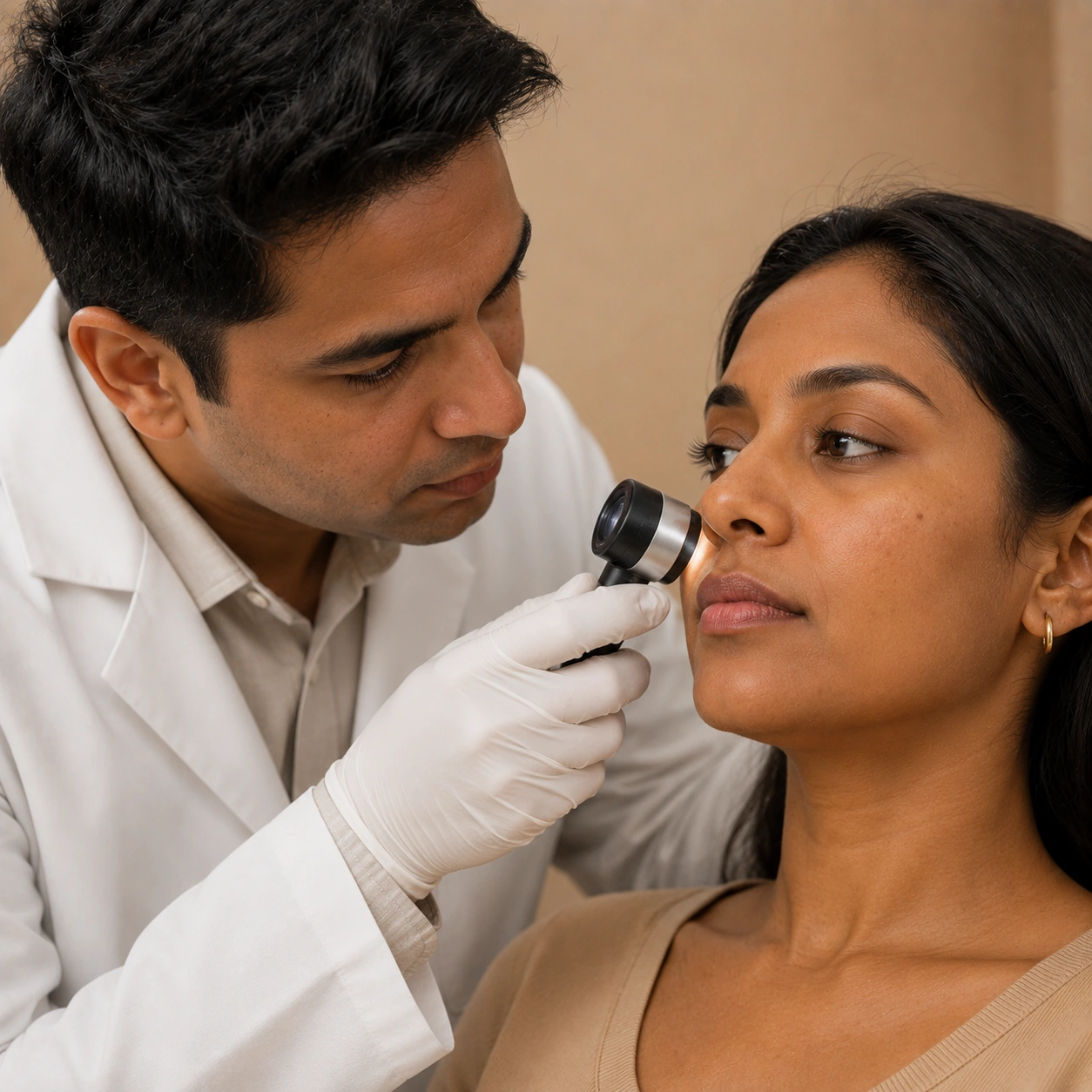
Dr Bhavin Garara’s approach is to assess which mechanisms are dominant for you, address them with the appropriate combination of in-clinic and home-care interventions, and ensure that anyone whose acne would benefit from prescription medical management is appropriately referred.

Where it shows

Types of Acne

  • Comedonal acne

    Non-inflammatory blackheads and whiteheads.

  • Inflammatory acne

    Red papules and pustules.

  • Nodulocystic acne

    Deep, painful nodules and cysts at higher risk of scarring; usually warrants medical management.

  • Adult / hormonal acne

    Often around the jaw and chin, associated with hormonal cycles in some patients.

What causes it

What Causes Acne?

  1. 1

    Genetics and skin type

    Family history is a major determinant. Oily skin types are more prone.

  2. 2

    Hormones

    Androgens drive sebum production. Acne is common during puberty, premenstrually, in pregnancy, and in conditions such as polycystic ovary syndrome (PCOS).

  3. 3

    Inflammation

    The immune response to C. acnes and to the contents of blocked pores drives the visible redness and swelling.

  4. 4

    Diet and lifestyle

    The evidence is moderate but consistent for high-glycaemic-load diets and dairy in some patients. Stress, poor sleep, and certain medications can contribute.

  5. 5

    Over-stripping skincare

    Aggressive cleansers and astringents damage the skin barrier and often worsen acne by triggering rebound oil production.

Dr Bhavin Garara
Dr Bhavin Garara, MBBS, BMedSci, PGDip
Book a Consultation
Dr Garara's approach

How Dr Bhavin Garara Treats Acne

At the clinics in London, Dr Garara assesses the type and pattern of acne, the contribution of sebum, inflammation, and bacterial drivers, the presence of any underlying medical or hormonal contributors, and the current skincare regimen. The plan usually combines tailored home care, in-clinic options for sebum regulation and inflammation control, and explicit routing to GP / dermatology where prescription medical management would help.
  • Anatomy-led assessmentTreatment plans built around your unique facial structure and movement.
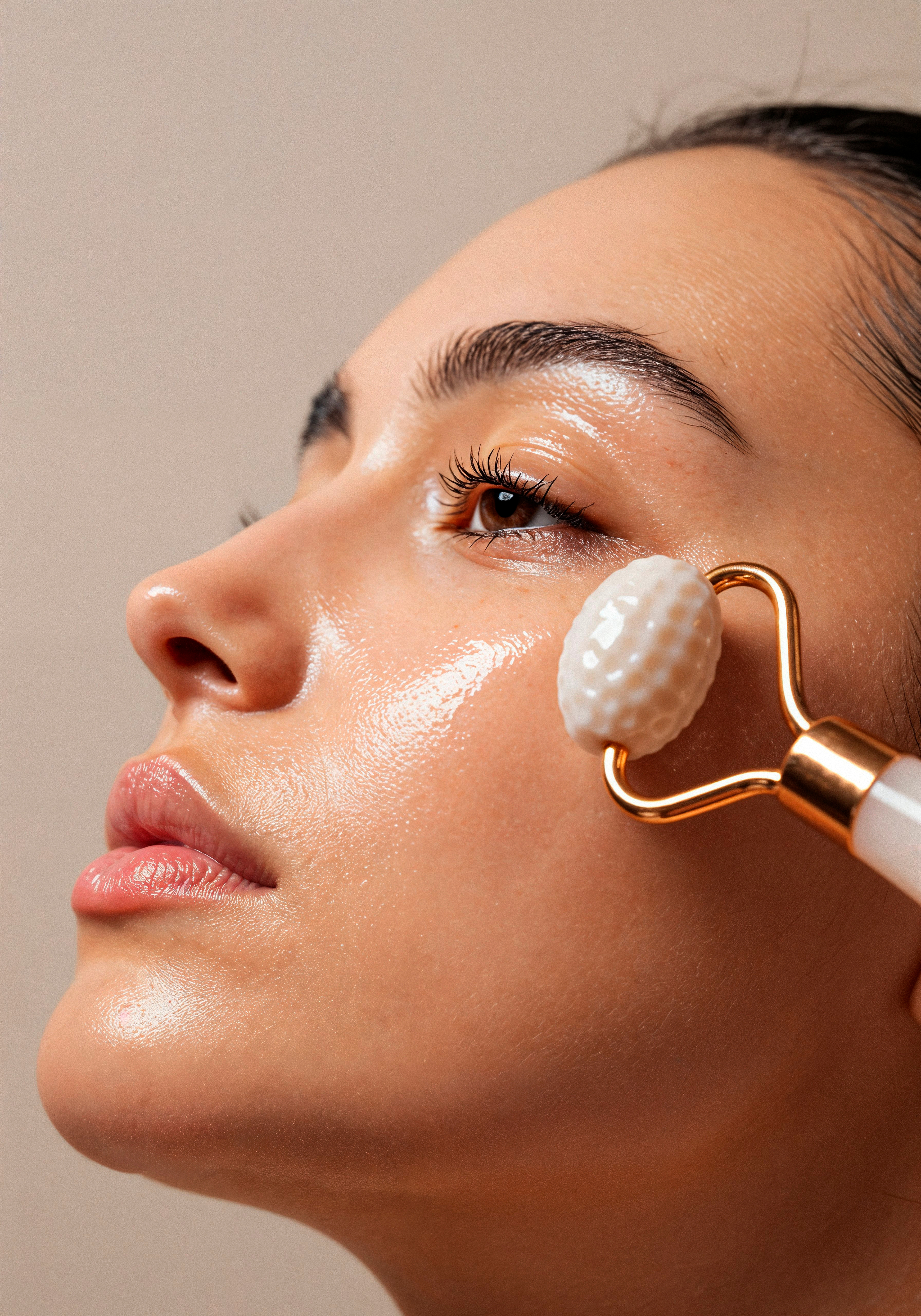
  • Personalised planCombinations chosen for your skin, goals, and lifestyle — not a one-size-fits-all protocol.
  • Natural resultsA refreshed, well-rested version of you — never a frozen or over-treated look.

Prevention

Home Care for Acne

Consistent daily care underpins any acne plan; aggressive routines often make matters worse.

Prevention

Features

Treatment Options for Acne

Radiofrequency microneedling, vascular laser, regenerative skin treatments, non-ablative laser resurfacing, acne-scar referral, and medical management.

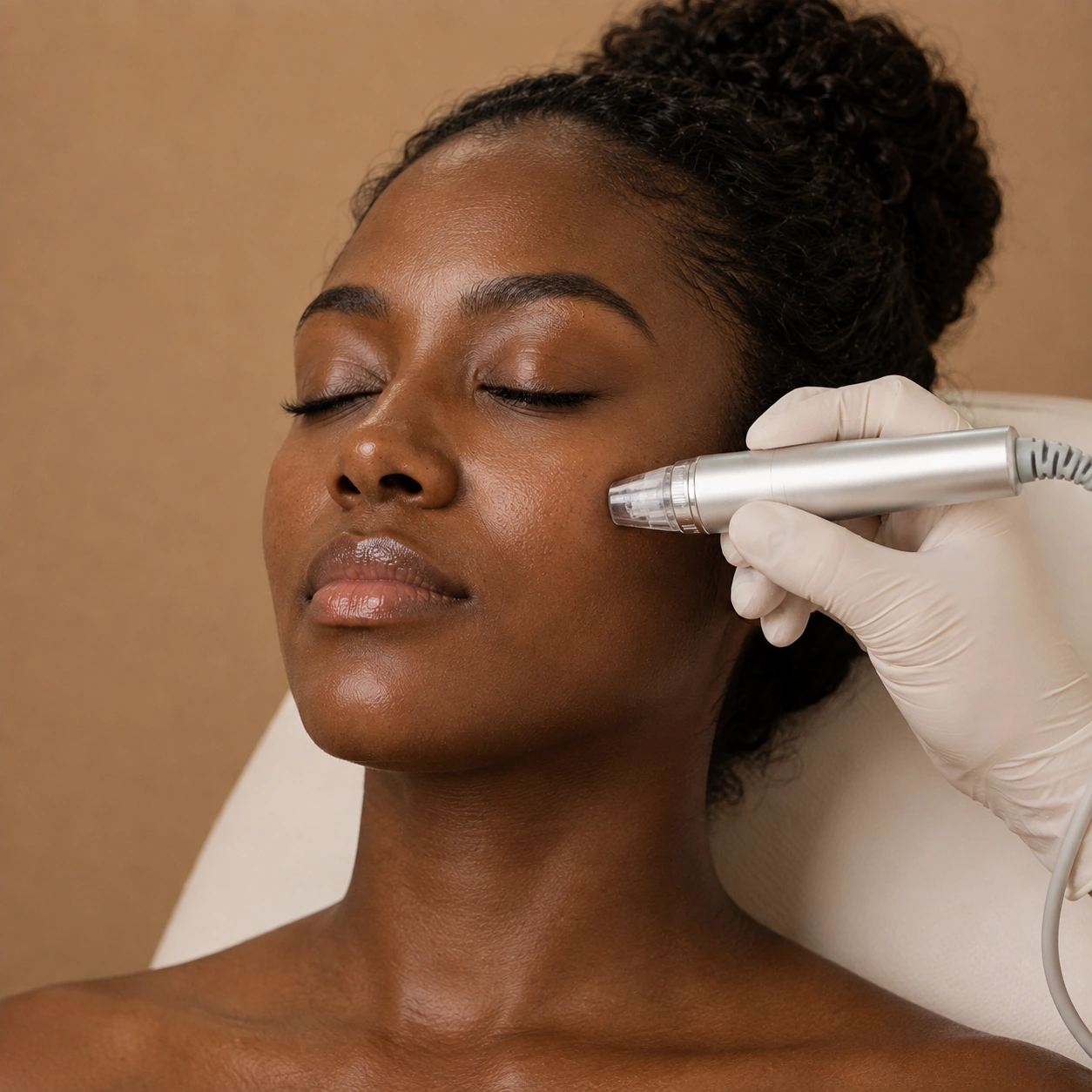
Radiofrequency microneedling (Sylfirm X)

Radiofrequency microneedling (Sylfirm X)

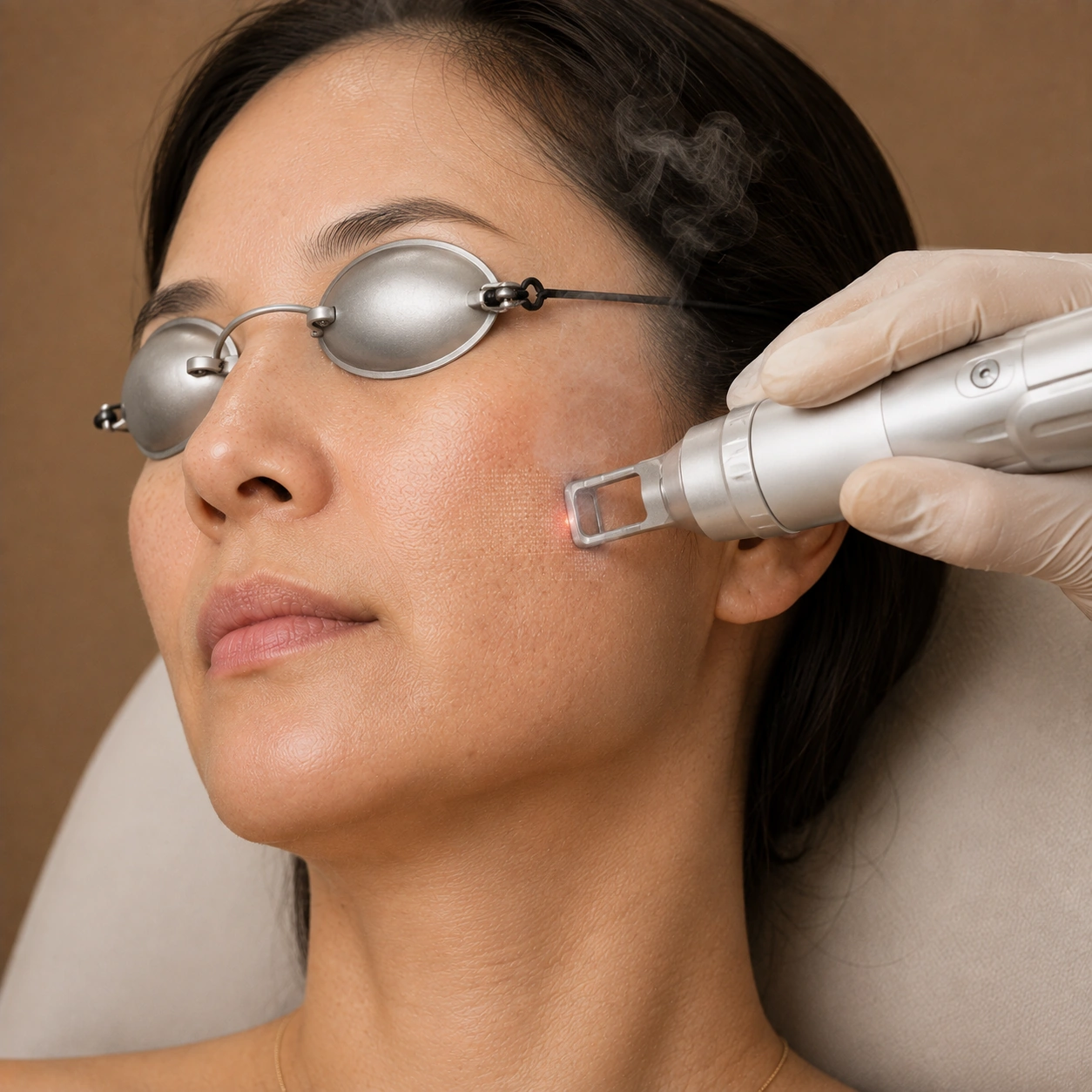
Controlled radiofrequency energy through fine needles into the dermis — designed to reduce sebaceous activity and modulate inflammation over a course.

See Sylfirm X
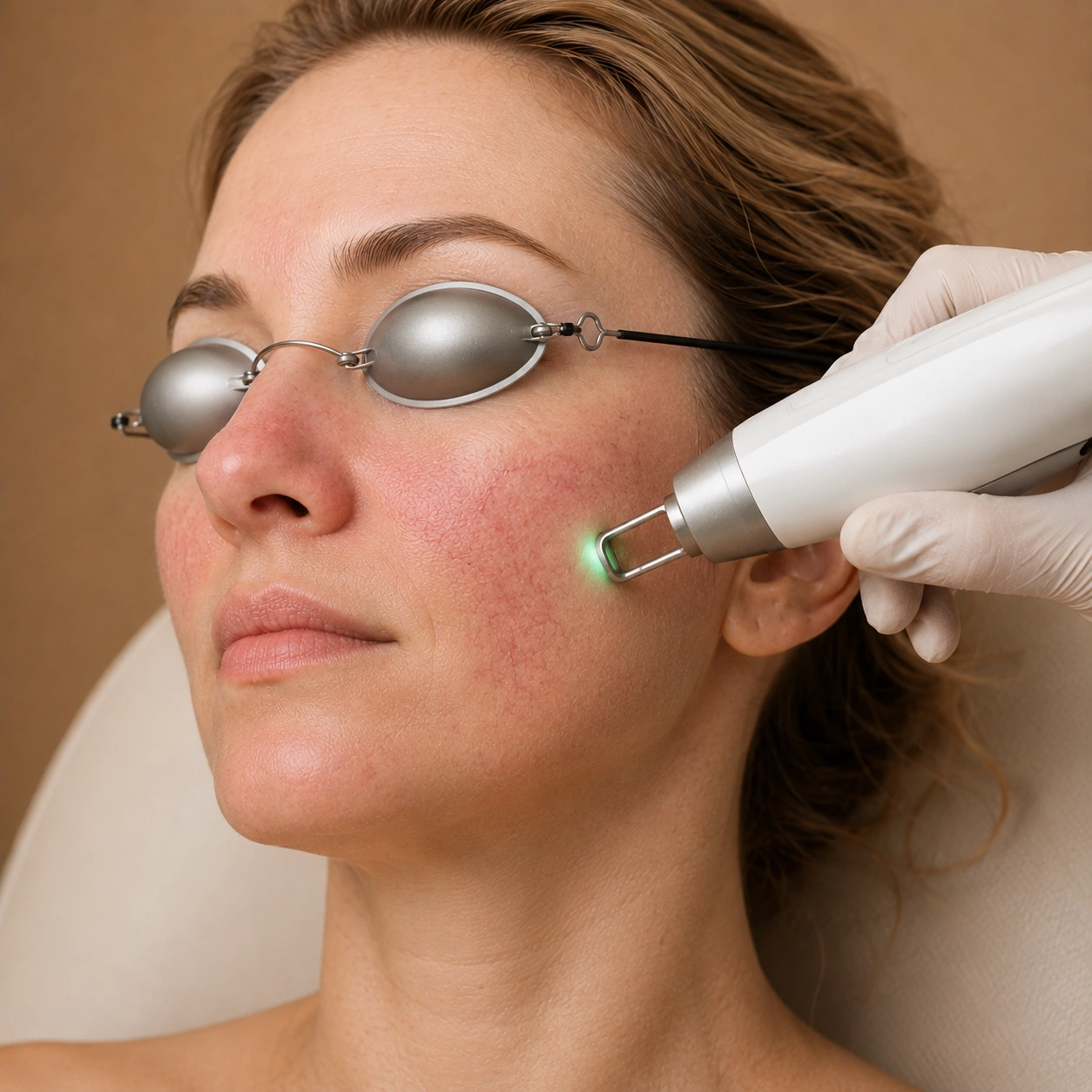
Vascular laser (Derma V)

Vascular laser (Derma V)

For active inflamed pustules and persistent post-acne red marks — targets visible blood vessels and reduces inflammatory redness.

Regenerative skin treatments

Regenerative skin treatments

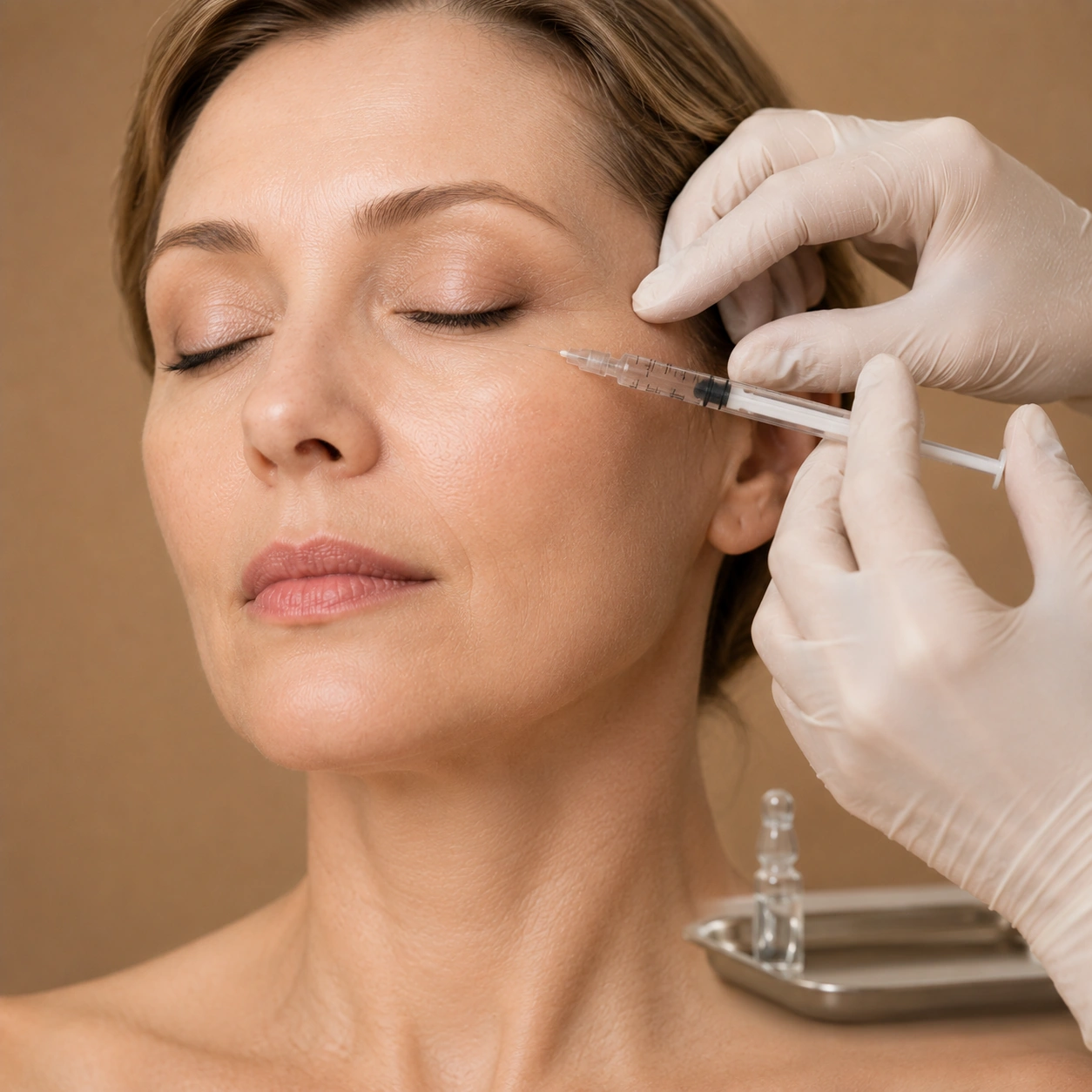
Multi-ingredient skinboosters (Profhilo, klardie, NCTF) and autologous PRP / platelet-derived exosomes support barrier repair and calming during active breakouts and recovery.

Non-ablative laser resurfacing (MultiFrax)

Non-ablative laser resurfacing (MultiFrax)

For post-acne textural changes and diffuse pigmentation — refines surface tone over a course.

See Multifrax laser
Acne scar treatment (see scarring pages)

Acne scar treatment (see scarring pages)

Acne scarring — atrophic (rolling, ice-pick, boxcar) or pigmentary — is addressed on the scars (skin) and facial scarring pages.

See Acne scars treatment
Medical management — when to refer

Medical management — when to refer

Moderate-to-severe inflammatory, nodulocystic, or scarring acne usually benefits from prescription medical treatment by a GP or dermatologist. Aesthetic treatment complements but does not substitute medical management in severe disease.

Treatment is layered — radiofrequency microneedling for sebum and inflammation, vascular laser for active redness and post-acne marks, regenerative skin treatments for barrier repair, surface resurfacing for post-acne texture, daily home care, and referral to GP / dermatology where prescription management is indicated.

Radiofrequency microneedling (Sylfirm X)

  • Best for: Chronic oily / congested skin and inflammatory acne
  • Downtime: 2–4 days of mild redness
  • Lasts: Long-lasting; benefits build over months

For chronic, oily, congested skin and active inflammatory acne, radiofrequency microneedling with Sylfirm X delivers controlled radiofrequency energy through fine needles into the dermis. It is designed to reduce sebaceous activity and modulate inflammation over a course of sessions, and to refine pore appearance. A short course is typical.

Treatment for higher Fitzpatrick skin types (IV–VI) requires careful device selection and conservative settings to reduce the risk of post-inflammatory hyperpigmentation or, in some cases, keloid scarring. Dr Garara has particular experience in aesthetic medicine for skin of colour.

Vascular laser (Derma V)

  • Best for: Active inflamed pustules and post-acne redness
  • Downtime: 1–3 days of mild redness
  • Lasts: Long-lasting

For active inflamed pustules and persistent post-acne red marks, Derma V targets visible blood vessels and reduces inflammatory redness.

Regenerative skin treatments

For barrier repair and calming during active breakouts and recovery, multi-ingredient skinboosters (Profhilo, klardie, NCTF) and autologous PRP / platelet-derived exosomes can support tissue repair and barrier function.

Non-ablative laser resurfacing (MultiFrax)

  • Best for: Post-acne texture and pigmentation
  • Downtime: A few days of mild flaking
  • Lasts: Long-lasting; results develop over months

For post-acne textural changes and diffuse pigmentation, MultiFrax can refine surface tone over a course of sessions.

Acne scar treatment (see scarring pages)

Acne scarring — atrophic (rolling, ice-pick, boxcar) or pigmentary — is addressed on the scars (skin) and facial scarring pages.

See our page on facial scarring.

Medical management — when to refer

  • Best for: Daily foundation alongside any of the above
  • Downtime: None
  • Lasts: Ongoing with consistent use

For moderate-to-severe inflammatory acne, nodulocystic acne, scarring acne, or acne that has not responded to over-the-counter products and a sensible regimen, prescription medical treatment by a GP or dermatologist is often the right pathway. Options include prescription topical retinoids, antibiotic regimens, hormonal management, and isotretinoin. Dr Garara will route appropriately at consultation; aesthetic treatment can complement medical management but is not a substitute for it in severe disease.

Considering treatment for acne?

Book a consultation with Dr Bhavin Garara.

Book a Consultation
Compare at a glance

Treatments at a Glance

Radiofrequency microneedling

Best suited for
Chronic oily / congested skin and inflammatory acne
Typical downtime
2–4 days of mild redness
How long results last
Long-lasting; benefits build over months
What it does
Reduces sebaceous activity and modulates inflammation

Vascular laser

Best suited for
Active inflamed pustules and post-acne redness
Typical downtime
1–3 days of mild redness
How long results last
Long-lasting
What it does
Targets inflammatory redness and visible vessels

Skinboosters / PRP / exosomes

Best suited for
Barrier repair, calming during active phases
Typical downtime
1–2 days of mild bumps
How long results last
Around 6–12 months with a course
What it does
Supports barrier function and tissue repair

Non-ablative laser resurfacing

Best suited for
Post-acne texture and pigmentation
Typical downtime
A few days of mild flaking
How long results last
Long-lasting; results develop over months
What it does
Refines surface and tone

Medical-grade home regimen

Best suited for
Daily foundation alongside any of the above
Typical downtime
None
How long results last
Ongoing with consistent use
What it does
Supports oil and inflammation balance

Referral to GP / dermatology

Best suited for
Severe, scarring, or treatment-resistant acne
Typical downtime
N/A
How long results last
Long-term medical management
What it does
Prescription-level treatment

Downtime and duration figures are typical averages only. Individual results vary considerably. Dr Garara will give you a more personalised picture at consultation.

Safety & risk

Is Acne Treatment Safe?

The in-clinic options described are widely performed and generally well tolerated. Common minor side effects are short-lived redness, bumps at injection sites, and transient dryness. Energy-based treatments in skin of colour require particular care to reduce the risk of post-inflammatory hyperpigmentation.

We share this not to alarm you but because patients deserve full information. Dr Garara is happy to discuss specific risks at consultation. Severe acne benefits from medical management; we will recommend GP / dermatology referral where that is the right answer.
  • Qualified medical practitionerTreatment carried out by an experienced doctor with detailed anatomical training.
  • Reversal agents on handHyaluronidase and other complication-management tools are immediately available.
  • Full informed consentRisks, alternatives, and expected outcomes discussed in detail before any treatment.
Dr Bhavin Garara
Reviewed byDr Bhavin Garara

Frequently Asked Questions

Common questions about treating acne.

Read next

Related Concerns

Acne connects to many other skin concerns. You may also want to read about:

← All skin concerns

For an overview of all the facial concerns we treat, visit our Skin treatments hub.

Next step

Ready to take the next step?

Book a consultation with Dr Bhavin Garara.

Book a Consultation

Begin with a proper assessment.

Tell us a little about what you're looking for and we'll match you with the right consultation — at the clinic or virtually.

  • Your enquiry goes directly to Dr Bhavin's team.
  • We'll be in touch within one working day.
  • All consultations are strictly confidential.

This page is for general information and does not constitute medical advice. All treatments require a personal consultation. Suitability, risks, and expected outcomes will be discussed with you in detail before any treatment is carried out.