

Scars and Keloids
What are scars and keloids?
Refine skin after injury or surgery
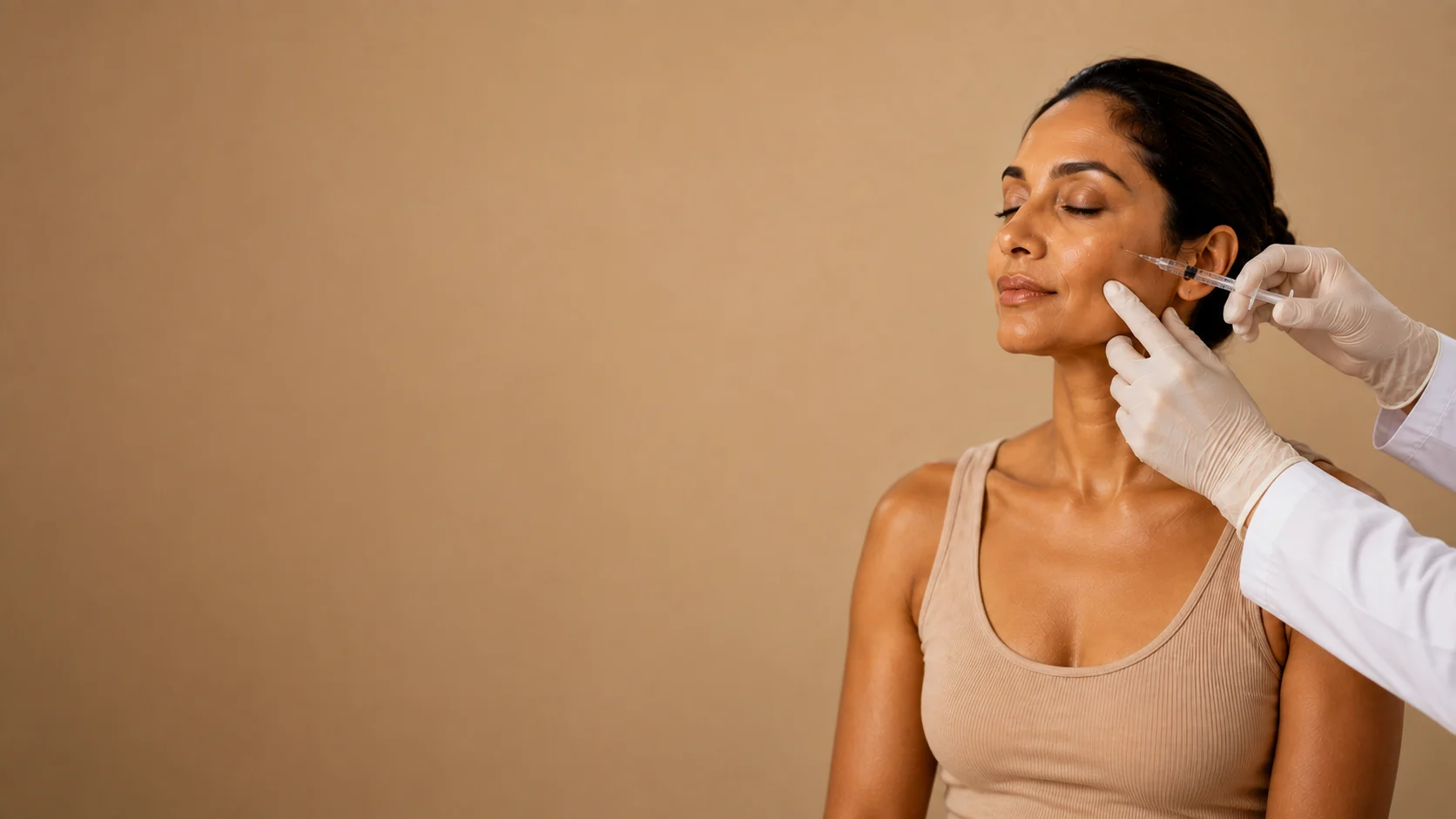
Scars form when the skin repairs itself after injury, surgery, burns, or inflammation. During healing, the body produces collagen to close the wound, but this can create thickened, uneven, or depressed tissue. Keloids are a more aggressive form of scarring in which excess collagen causes the scar to grow beyond the original wound, often appearing raised and discoloured. Dr Garara evaluates the type, behaviour, and underlying biology of each scar before designing a personalised plan that may include injections, lasers, and collagen-stimulating procedures.

Conditions
Signs and symptoms of Scars and Keloids
Quick Overview
Treatment at a Glance
Key facts about this procedure to help you understand what to expect before, during, and after your treatment.
Book a ConsultationTreatment time
20 - 60 minutes
Recovery time
Varies by treatment type
Anaesthesia
Local anaesthetic for injections
Results duration
Progressive improvement over months
Discomfort level
Mild to moderate
Aftercare
Pressure garments may be advised. Avoid sun on treated areas
The Real Benefits of Choosing Our Cosmetic Solutions
Reduction in raised or thickened scar tissue
Gradual flattening of keloid scars
Improvement in redness and inflammation
Correction of pigmentation changes within scar tissue
Smoother, more even skin texture
Regulation of abnormal collagen production
Improved flexibility and comfort in scarred skin
Combination therapies tailored to the scar type
Progressive improvement in overall skin appearance
Support for healthier long-term skin healing
Your surgical scar and keloids treatment with Dr Garara
Keloid treatments: Keloids develop when the body produces excessive collagen during wound healing. Treatment focuses on calming this overactive healing response. Keloid treatments often include steroid injections placed directly into the keloid to suppress excess collagen production, vascular lasers to reduce blood flow and redness, and pico lasers to break down excess pigment.
Surgical scar treatments: Surgical and traumatic scars develop when injury disrupts the skin's normal collagen structure. Treatment focuses on rebuilding healthier collagen architecture. This may include subcision to release fibrous bands, microneedling to stimulate collagen production, RF microneedling (Sylfirm X) for deeper remodelling, and fractional laser resurfacing.
Regenerative therapies: Regenerative treatments like PRP and polynucleotides support the skin's natural repair processes. PRP delivers growth factors derived from your own blood, while polynucleotides help improve cellular repair and reduce inflammation.
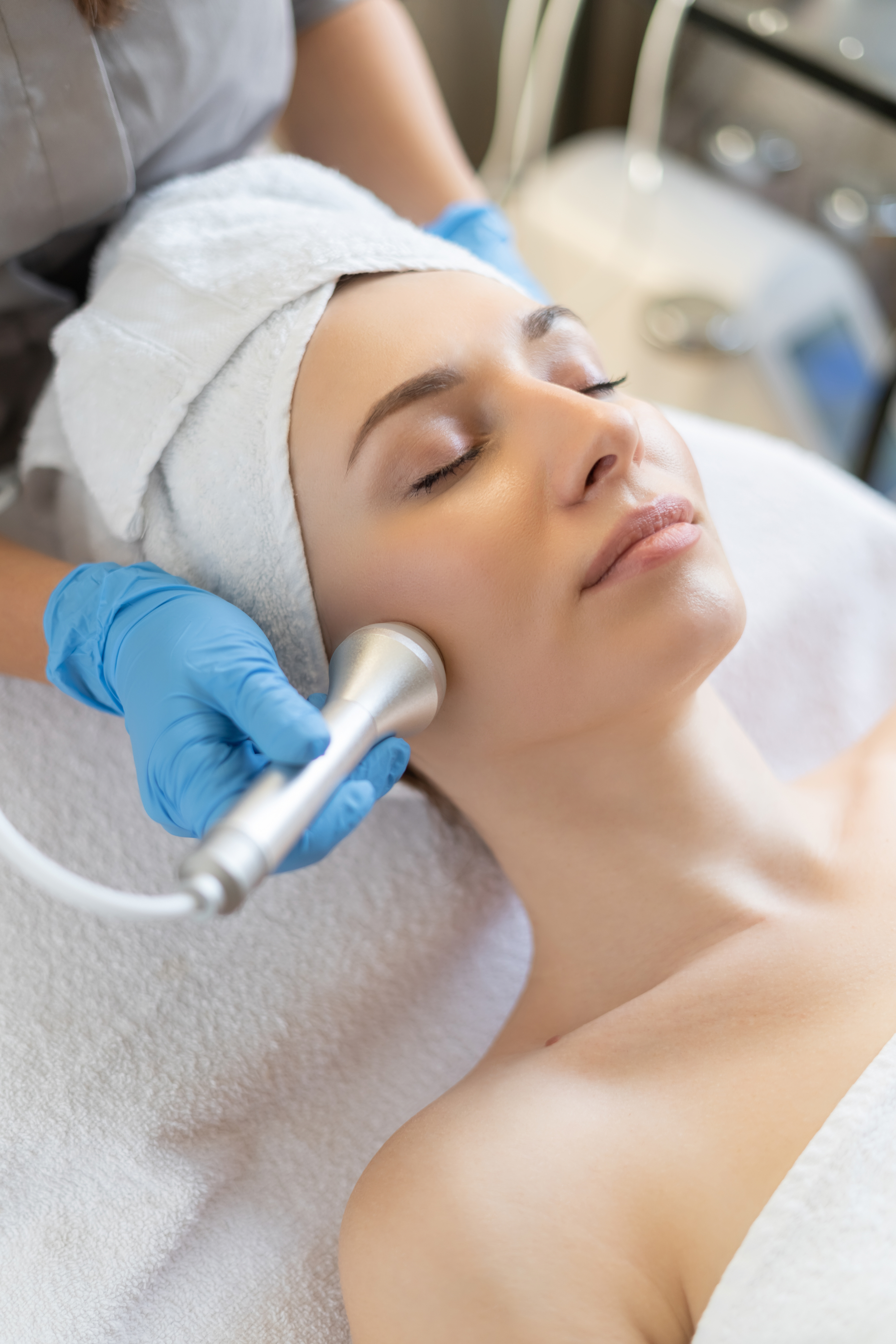

Expert skin analysis
from anywhere
Explore FAQs on Scars and Keloids
Find answers to common questions about scars and keloids.
Begin with a proper assessment.
Tell us a little about what you're looking for and we'll match you with the right consultation — at the clinic or virtually.