




Dr Bhavin Garara
HomeContact UsUHai — Analyse My Skin
Dark Circles

Dark Circles

Dark circles under the eyes — clinically called periorbital hyperpigmentation when the cause is pigmentary — are one of the most common eye-area concerns and one of the most variably caused. Some are pigment in the skin, some are blood vessels showing through translucent skin, and some are shadows cast by underlying hollows. Effective treatment depends on knowing which is which.

Medically reviewed by Dr Bhavin Garara, GMC 7155707 · Last reviewed: 3 February 2026

Periorbital hyperpigmentation is a recognised medical descriptor, and more than one cause can look similar. This page is general information, not a diagnosis. Dr Garara will assess your eye area and history in person, confirm what is actually going on, and only then discuss whether treatment is appropriate for you — and which approach would suit you best.

What it is

What Are Dark Circles?

Book a Consultation

The under-eye area can look darker than the surrounding skin for several distinct reasons. The visible darkness is not always the same problem in different patients — even though the appearance can look similar. Getting this right at consultation matters because the treatments differ.

Dr Bhavin Garara’s approach is to work out the underlying cause first and then choose the treatment that addresses it — rather than apply a single one-size-fits-all approach.

Where it shows

The Three Types of Dark Circles

Most patients fall predominantly into one of three patterns, often with elements of two combined.

  • Vascular dark circles

    The skin under the eye is naturally very thin (often only around half a millimetre thick). When the dermis is also thin or dehydrated, the bluish-purple colour of the underlying blood vessels and orbicularis oculi muscle shows through. This pattern usually looks blue, purple, or pinkish; the skin itself is not pigmented.

  • Pigmentary dark circles (periorbital hyperpigmentation)

    Excess melanin in the skin around the eyes — sometimes genetic, sometimes acquired through chronic rubbing, post-inflammatory change after eczema, or sun exposure. This pattern looks brown or grey and is the colour of the skin itself.

  • Structural shadows (tear-trough hollowing)

    The under-eye looks dark because a depression at the tear trough catches overhead light, casting a shadow downward across the cheek-lid junction. The skin is not pigmented and the vessels are not the main issue — what you are seeing is shadow. This pattern is addressed via the hollow eyes / tear troughs page.

  • A simple at-home test

    With a torch held below the eye area, vascular circles often lighten, pigmentary circles do not change, and structural shadows redistribute. Dr Garara confirms this at consultation.

What causes it

What Causes Dark Circles?

  1. 1

    Genetics

    Family pattern strongly influences both pigment distribution and skin thickness around the eyes. Some ethnic backgrounds have a higher prevalence of periorbital hyperpigmentation.

  2. 2

    Thin or translucent under-eye skin

    Anatomically thin lid skin reveals underlying blood vessels and muscle, producing the bluish-purple look of vascular dark circles.

  3. 3

    Chronic rubbing or eczema around the eyes

    Repeated rubbing causes post-inflammatory pigment change and over time can thin the skin further. Allergic eczema and dermatitis are common contributors.

  4. 4

    Sun exposure

    UV light drives melanin production in the periorbital skin. Many patients with pigmentary dark circles also have associated photoageing.

  5. 5

    Tear-trough volume loss

    Loss of mid-face fat and bony support produces a depression at the lid-cheek junction, which then casts a shadow. This is a structural cause, not a pigment or vascular cause.

  6. 6

    Lifestyle and short-term factors

    Poor sleep, dehydration, alcohol, and stress dilate blood vessels and reduce dermal fullness temporarily, which can make any underlying pattern look worse for a few days at a time. They are rarely the only cause but often the aggravating factor.

  7. 7

    Medical contributors

    Iron-deficiency anaemia, thyroid disease, and certain medications can affect under-eye appearance. Persistent, sudden, or asymmetric dark circles are worth a GP review.

Dr Bhavin Garara
Dr Bhavin Garara, MBBS, BMedSci, PGDip
Book a Consultation
Dr Garara's approach

How Dr Garara Treats Dark Circles

At the clinics in London, Dr Garara assesses at consultation which pattern is leading — vascular, pigmentary, or structural — usually with a combination of the torch test, dermatoscopic examination, and clinical history. He also checks for skin-of-colour-specific considerations, allergic or eczematous patterns, and any indicators that warrant a GP referral.

From this, the plan addresses the dominant cause: vascular pattern — polynucleotides and skin-quality treatments to thicken the under-eye skin so vessels show through less; pigmentary pattern — pigment-clearing devices and tailored topical regimens; structural pattern — mid-face support via the hollow eyes / tear troughs pathway; mixed patterns — sequenced treatments with the most appropriate order.

  • Anatomy-led assessmentTreatment plans built around your unique facial structure and movement.
  • Personalised planCombinations chosen for your skin, goals, and lifestyle — not a one-size-fits-all protocol.
  • Natural resultsA refreshed, well-rested version of you — never a frozen or over-treated look.

Prevention

Home Care for Dark Circles

Consistent daily habits are the foundation of any dark-circle plan.

Prevention

Features

Treatment Options for Dark Circles

Skin-thickening regenerative treatments, pigment-clearing devices, tailored topical regimens, and structural support for shadow-based dark circles.

Skin-thickening regenerative treatments (for vascular dark circles)

Skin-thickening regenerative treatments (for vascular dark circles)

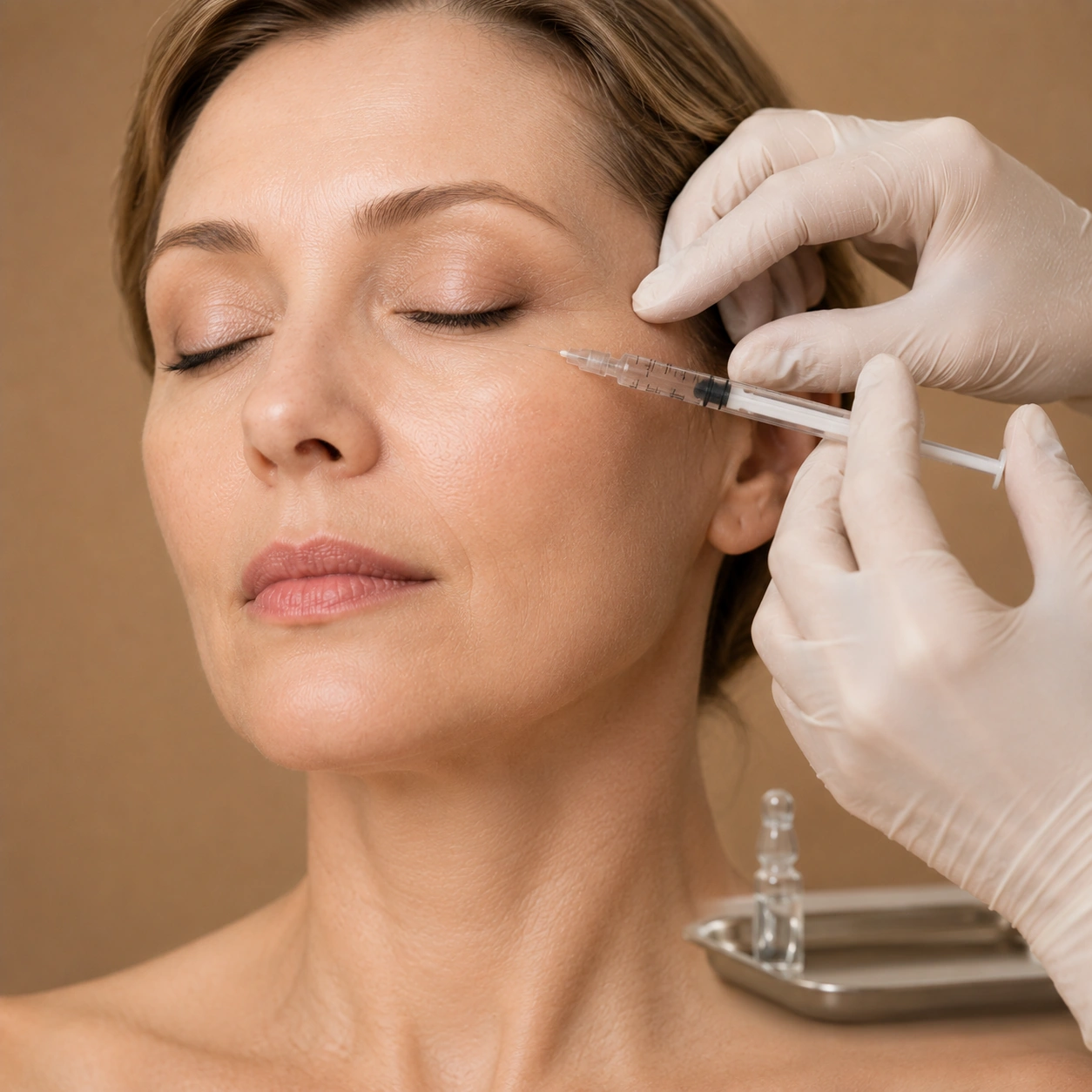
Polynucleotides (Rejuran®, including the eye-area formulation), PDRN, multi-ingredient skinboosters, and autologous PRP / platelet-derived exosomes thicken the dermis so underlying vessels show through less.

Pigment-clearing devices (for pigmentary dark circles)

Pigment-clearing devices (for pigmentary dark circles)

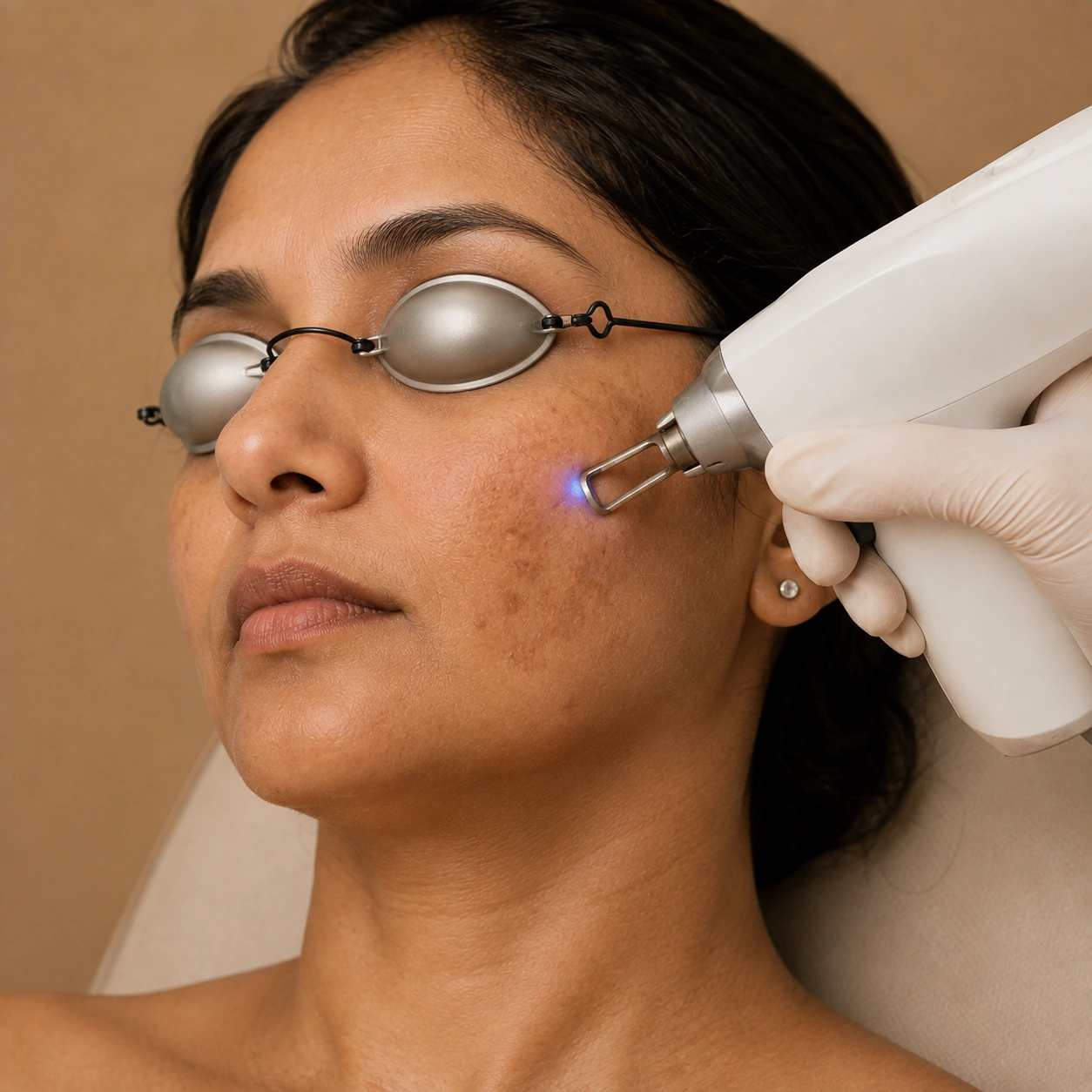
PicoSure Pro picosecond laser breaks down melanin clusters with reduced thermal effect. Derma V is a vascular/pigment laser useful where there is a visible vascular component or broken capillaries.

Tailored topical regimens

Tailored topical regimens

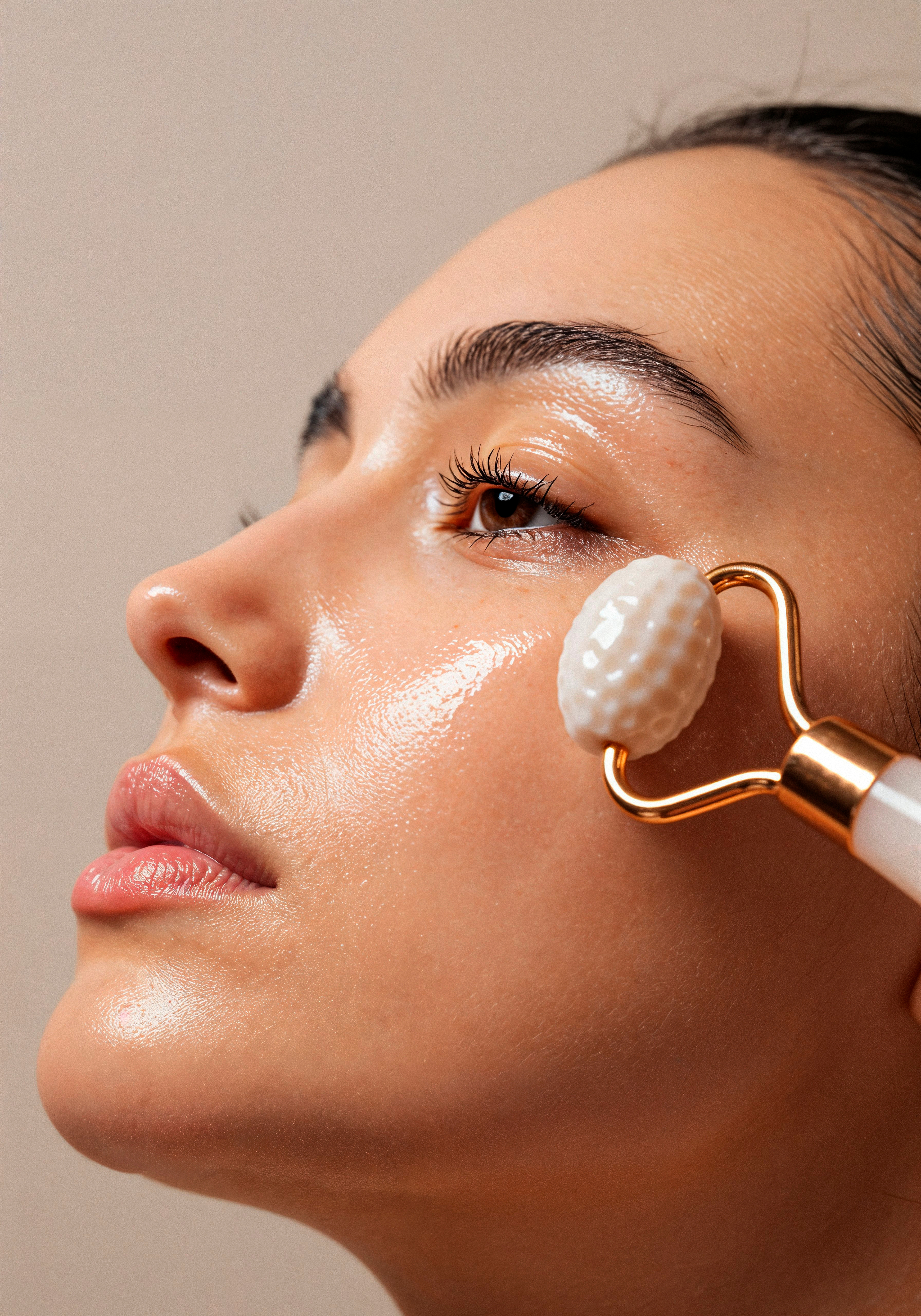
A medical-grade regimen — niacinamide, vitamin C, tranexamic acid, and gentle retinoids — is the daily foundation of any pigmentary dark-circle plan.

Structural support (for shadow-based dark circles)

Structural support (for shadow-based dark circles)

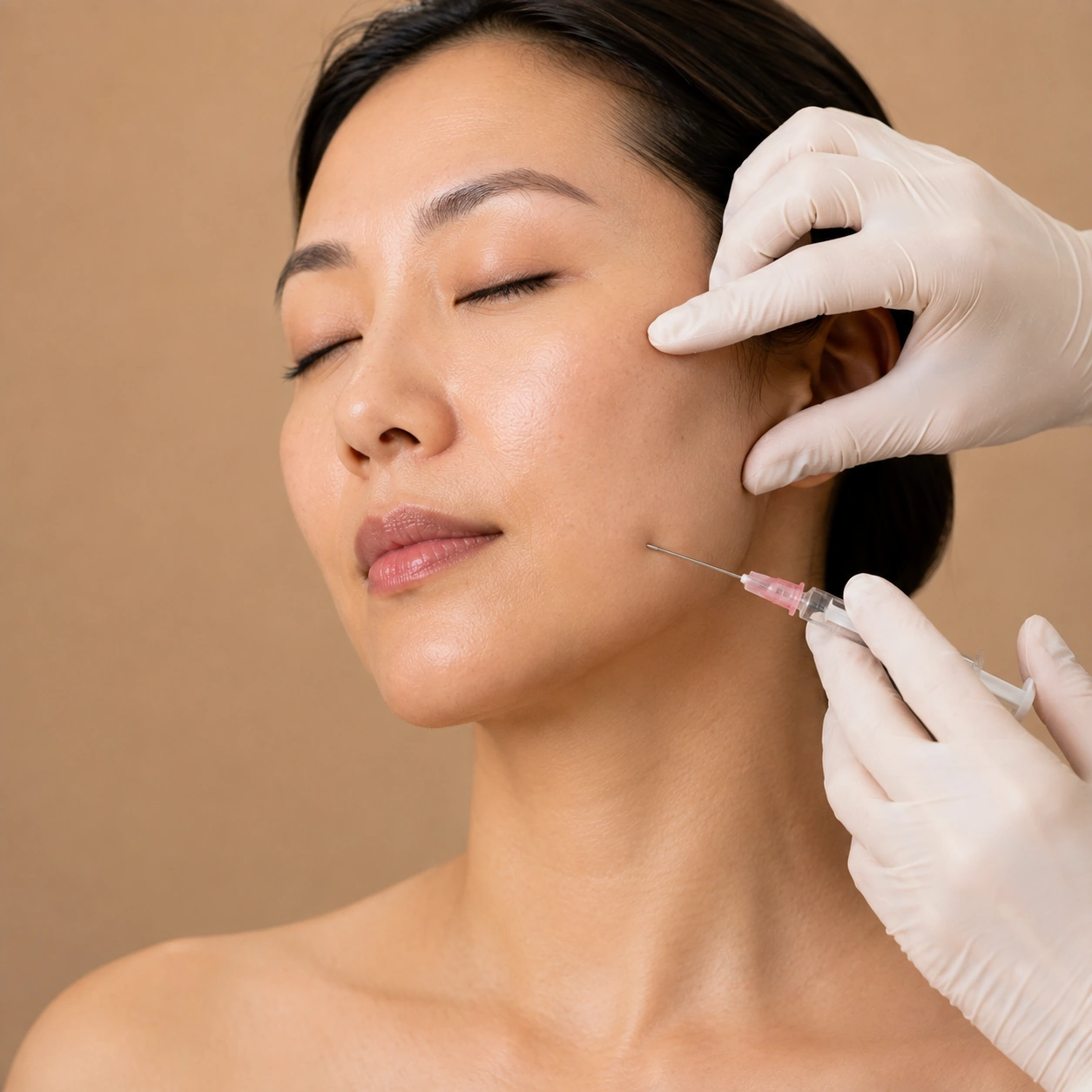
Where the dark circles are predominantly shadow cast by a tear-trough hollow, the right pathway is mid-face support — see hollow eyes / tear troughs. Filler is placed deep on the cheekbone rather than directly into the under-eye skin.

Treatment is matched to the dominant pattern — vascular, pigmentary, or structural — with daily SPF and a topical regimen as the foundation.

Skin-thickening regenerative treatments (for vascular dark circles)

  • Best for: Vascular dark circles (thin translucent skin)
  • Downtime: 1–3 days of mild bumps
  • Lasts: Around 6–12 months with a course

For vascular dark circles, the goal is to thicken the very thin under-eye skin so the underlying vessels are less visible. Polynucleotides (PN) — brand example Rejuran®, including the specific formulation suited to the eye area — are understood to act as a “repair signal,” supporting fibroblasts to produce more collagen and elastin and thickening the dermis over a course of treatments. PDRN is a complementary related compound. Multi-ingredient skinboosters (Profhilo, Sunekos, NCTF, klardie) deliver hydration and balanced nutrients. PRP and platelet-derived exosomes (both autologous, derived from your own platelets) can also support tissue thickness.

Pigment-clearing devices (for pigmentary dark circles)

  • Best for: Visible capillaries or vascular component
  • Downtime: 1–3 days of mild swelling
  • Lasts: Long-lasting

PicoSure Pro is a picosecond laser that delivers very short pulses of light energy, designed to break down melanin clusters with reduced thermal effect compared to longer-pulse lasers. It is used selectively around the eye with appropriate protection. Derma V is a vascular/pigment laser useful where there is also a visible vascular component or broken capillaries.

Treatment for higher Fitzpatrick skin types (IV–VI) requires careful device selection and conservative settings to reduce the risk of post-inflammatory hyperpigmentation or, in some cases, keloid scarring. Dr Garara has particular experience in aesthetic medicine for skin of colour and tailors device choice, energy levels, and treatment intervals accordingly.

Pigmentary dark circles — particularly in skin of colour — require careful protocol planning because aggressive treatment can produce more pigment, not less. Conservative settings, longer intervals between sessions, and consistent SPF are essential.

Tailored topical regimens

  • Best for: All pigmentary patterns; foundation of daily care
  • Downtime: None
  • Lasts: Ongoing with consistent use

A medical-grade topical regimen — typically combining niacinamide, vitamin C, tranexamic acid, and gentle retinoids — is the daily foundation of any pigmentary dark-circle plan. Treatment takes months, not weeks; consistency matters more than intensity.

Structural support (for shadow-based dark circles)

  • Best for: Shadow-based dark circles
  • Downtime: See hollow eyes page
  • Lasts: See hollow eyes page

Where dark circles are predominantly shadow cast by a tear-trough hollow, the right pathway is mid-face support — see hollow eyes / tear troughs. Filler is not placed directly into the under-eye skin; it is placed deep on the cheekbone to lift the tear trough out of shadow.

See our page on hollow eyes / tear troughs.

Considering treatment for dark circles?

Book a consultation with Dr Bhavin Garara to identify which pattern is leading for you.

Book a Consultation
Compare at a glance

Treatments at a Glance

Polynucleotides + skin-quality treatments

Best suited for
Vascular dark circles (thin translucent skin)
Typical downtime
1–3 days of mild bumps
How long results last
Around 6–12 months with a course
What it does
Supports the dermis to hide underlying vasculature

Picosecond laser

Best suited for
Pigmentary dark circles (brown / grey skin)
Typical downtime
1–3 days of mild redness
How long results last
Long-lasting with daily SPF
What it does
Breaks down melanin clusters

Vascular/pigment laser

Best suited for
Visible capillaries or vascular component
Typical downtime
1–3 days of mild swelling
How long results last
Long-lasting
What it does
Targets visible blood vessels

Tailored topical regimen

Best suited for
All pigmentary patterns; foundation of daily care
Typical downtime
None
How long results last
Ongoing with consistent use
What it does
Reduces melanin production over months

Tear-trough / mid-face support

Best suited for
Shadow-based dark circles
Typical downtime
See hollow eyes page
How long results last
See hollow eyes page
What it does
Lifts the under-eye out of shadow

Downtime and duration figures are typical averages only. Individual results vary considerably. Dr Garara will give you a more personalised picture at consultation.

Safety & risk

Is Dark Circle Treatment Safe?

The peri-orbital area is anatomically demanding and supplied by branches of the ophthalmic artery. Any injection here, particularly with dermal filler or biostimulator, carries a small but recognised risk of vascular complications, which in rare cases can include skin necrosis or, where the vascular network connects to the eye, loss of vision. The tear trough is on the list of explicit higher-risk anatomical areas.

Energy-based pigment treatments carry their own considerations — particularly the risk of post-inflammatory hyperpigmentation in skin of colour. This is why conservative settings, careful test patches, and experienced operator technique matter. Eye protection is mandatory for any laser treatment around the eye.

We share this not to alarm you, but because patients deserve full information. Dr Garara is always happy to discuss the specific risks of any treatment in detail at your consultation.

  • Qualified medical practitionerTreatment carried out by an experienced doctor with detailed anatomical training.
  • Reversal agents on handHyaluronidase and other complication-management tools are immediately available.
  • Full informed consentRisks, alternatives, and expected outcomes discussed in detail before any treatment.
Dr Bhavin Garara
Reviewed byDr Bhavin Garara

Frequently Asked Questions

Common questions about treating dark circles.

Read next

Related Concerns

Dark circles often appear alongside other eye-area changes. You may also want to read about:

← All eyes concerns

For an overview of all the facial concerns we treat, visit our Eyes treatments hub.

Next step

Ready to take the next step?

Book a consultation with Dr Bhavin Garara.

Book a Consultation

Begin with a proper assessment.

Tell us a little about what you're looking for and we'll match you with the right consultation — at the clinic or virtually.

  • Your enquiry goes directly to Dr Bhavin's team.
  • We'll be in touch within one working day.
  • All consultations are strictly confidential.

This page is for general information and does not constitute medical advice. All treatments require a personal consultation. Suitability, risks, and expected outcomes will be discussed with you in detail before any treatment is carried out.