


Dr Bhavin Garara
HomeContact UsUHai — Analyse My Skin
Crepey Skin

Crepey Skin

Crepey skin is thin, fragile, finely crinkled skin most often seen on the neck, décolletage, and the backs of the hands. The areas affected share certain anatomical features — relatively thin dermis and fewer sebaceous glands than the face — that make collagen and elastin loss more visible. Treatment usually combines polynucleotides and multi-ingredient skinboosters to thicken the dermis, biostimulators for longer-term firming, and radiofrequency microneedling for the skin envelope, alongside consistent daily SPF.

Medically reviewed by Dr Bhavin Garara, GMC 7155707 · Last reviewed: 21 May 2026

What it is

What Is Crepey Skin?

Book a Consultation

The skin of the neck, décolletage, and the back of the hand is naturally thinner than facial skin and has fewer oil glands. The dermis is less well padded by subcutaneous fat. When collagen and elastin decline with age and UV damage, the loss shows more obviously than it would on the face — as fine wrinkly texture that resembles tissue paper.

Crepey skin is not a medical condition; it is an aesthetic descriptor for a particular pattern of skin ageing. It is highly responsive to skin-quality treatments and consistent home care.

Dr Bhavin Garara’s approach is to rebuild dermal density rather than try to stretch the surface tight. Crepey skin needs thickness and bounce more than it needs lift.

What causes it

What Causes Crepey Skin?

  1. 1

    UV damage

    The dominant cause. UV light breaks down collagen and elastin and accelerates dermal thinning. The neck and chest are usually under-protected.

  2. 2

    Naturally thin skin

    The neck, décolletage, and hand dermis is anatomically thinner than facial skin. Crepiness shows here first.

  3. 3

    Decline in collagen, elastin, and hyaluronic acid

    Fibroblast activity declines with age, and the skin’s natural HA reduces.

  4. 4

    Dehydration

    Crepey skin shows dehydration readily — the texture is more visible when water content is low.

  5. 5

    Mechanical and lifestyle factors

    Sleep position (side-sleeping with a high pillow flexes the neck for hours), screen posture, smoking, and repeated mechanical friction all contribute.

Dr Bhavin Garara
Dr Bhavin Garara, MBBS, BMedSci, PGDip
Book a Consultation
Dr Garara's approach

How Dr Bhavin Garara Treats Crepey Skin

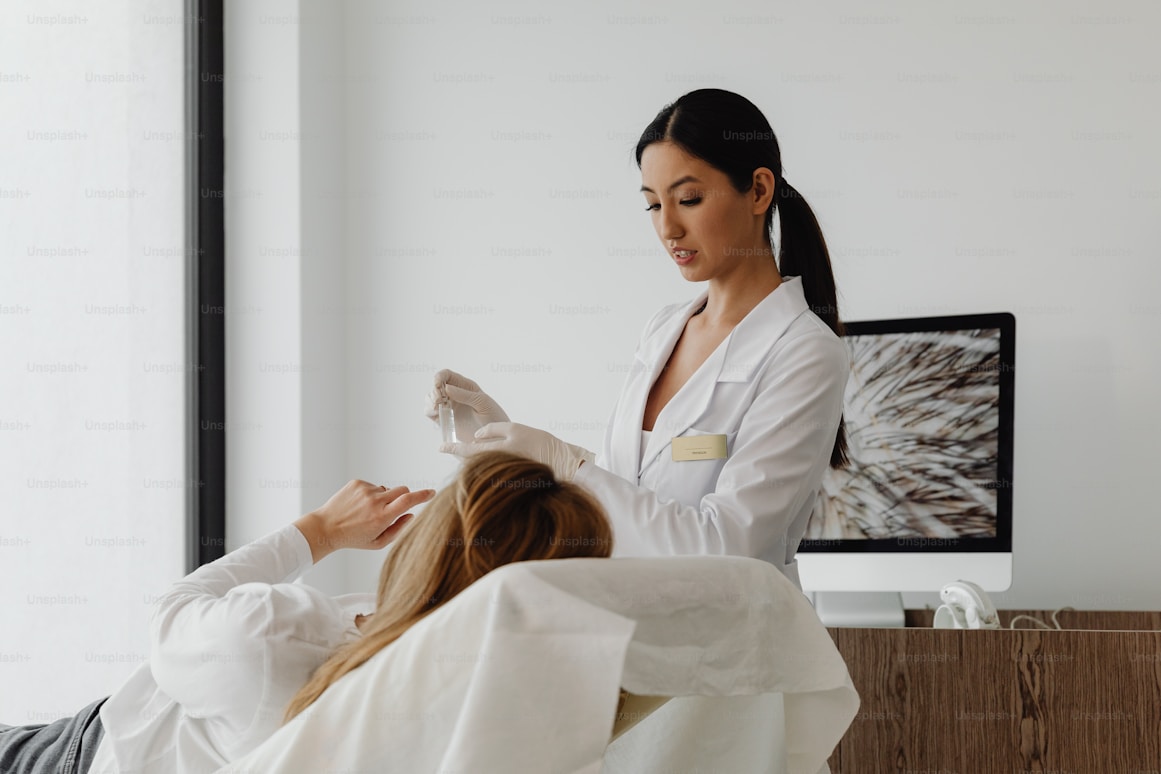
At the clinics in London, Dr Garara assesses the thickness and elasticity of the affected skin, the presence of any pigmentation or vascular component, the underlying volume status, and your daily habits. The plan usually leads with regenerative skin treatments and may layer in radiofrequency microneedling for skin laxity and biostimulators for longer-term firming.
  • Anatomy-led assessmentTreatment plans built around your unique facial structure and movement.
  • Personalised planCombinations chosen for your skin, goals, and lifestyle — not a one-size-fits-all protocol.
  • Natural resultsA refreshed, well-rested version of you — never a frozen or over-treated look.

Prevention

Home Care for Crepey Skin

Consistent daily habits are the foundation of any crepey-skin plan.

Prevention

Features

Treatment Options for Crepey Skin

Polynucleotides, PDRN, multi-ingredient skinboosters, collagen biostimulators, radiofrequency microneedling, and autologous PRP / platelet-derived exosomes.

Treatment is layered — regenerative skin treatments to thicken the dermis, biostimulators for longer-term firming, and radiofrequency microneedling for accompanying laxity.

Polynucleotides and PDRN

  • Best for: Thin, finely crinkled skin
  • Downtime: 1–3 days of mild bumps
  • Lasts: Around 6–12 months with a course

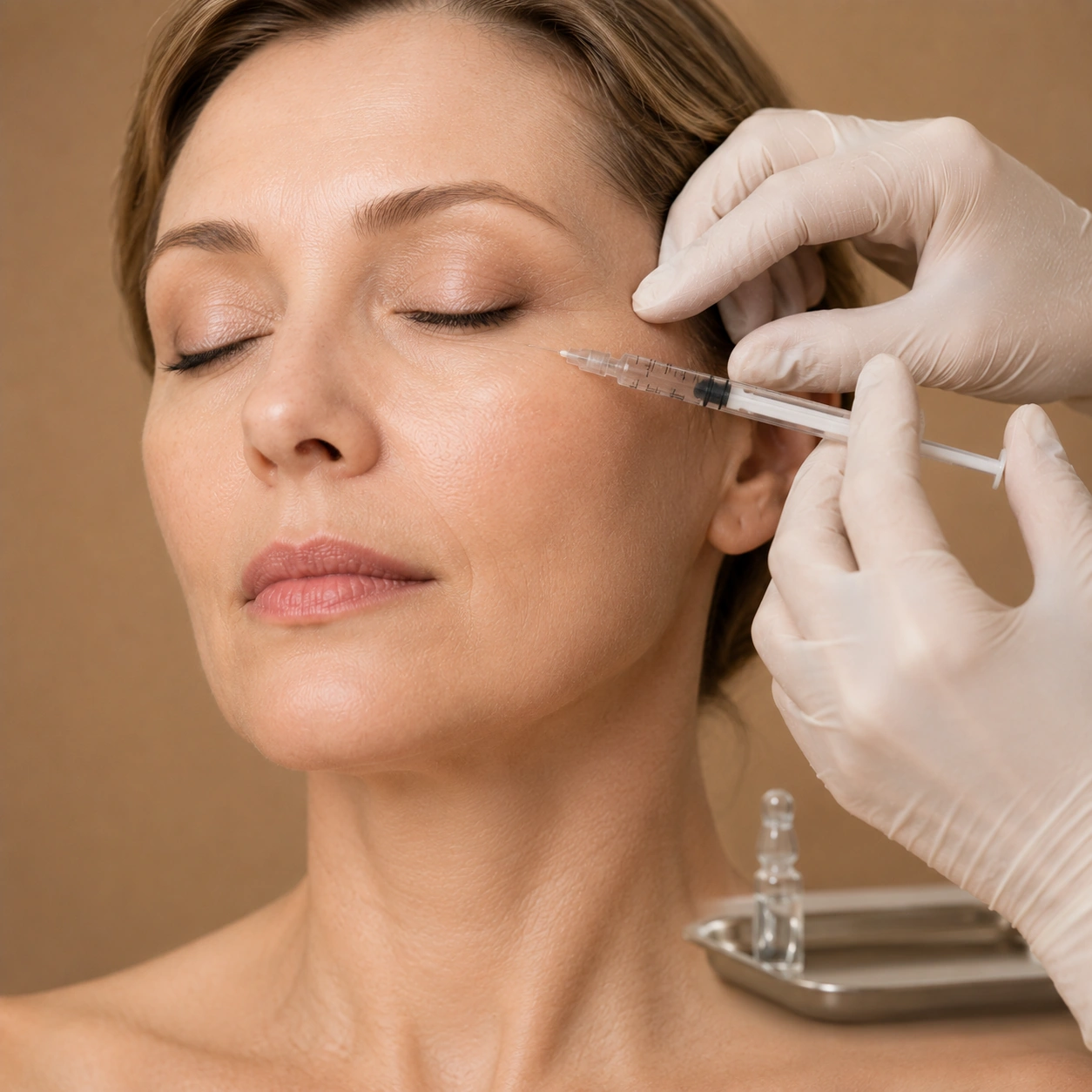
Polynucleotides (PN) such as Rejuran® — long-chain DNA fragments from wild salmon — are understood to act as a “repair signal,” supporting fibroblasts to produce more collagen and elastin and thickening the dermis. PDRN is a related shorter-chain compound. A short course is typical, with results developing over weeks to months.

Multi-ingredient skinboosters

  • Best for: Dehydration and surface quality
  • Downtime: 1–2 days of small bumps
  • Lasts: Around 6–9 months with a course

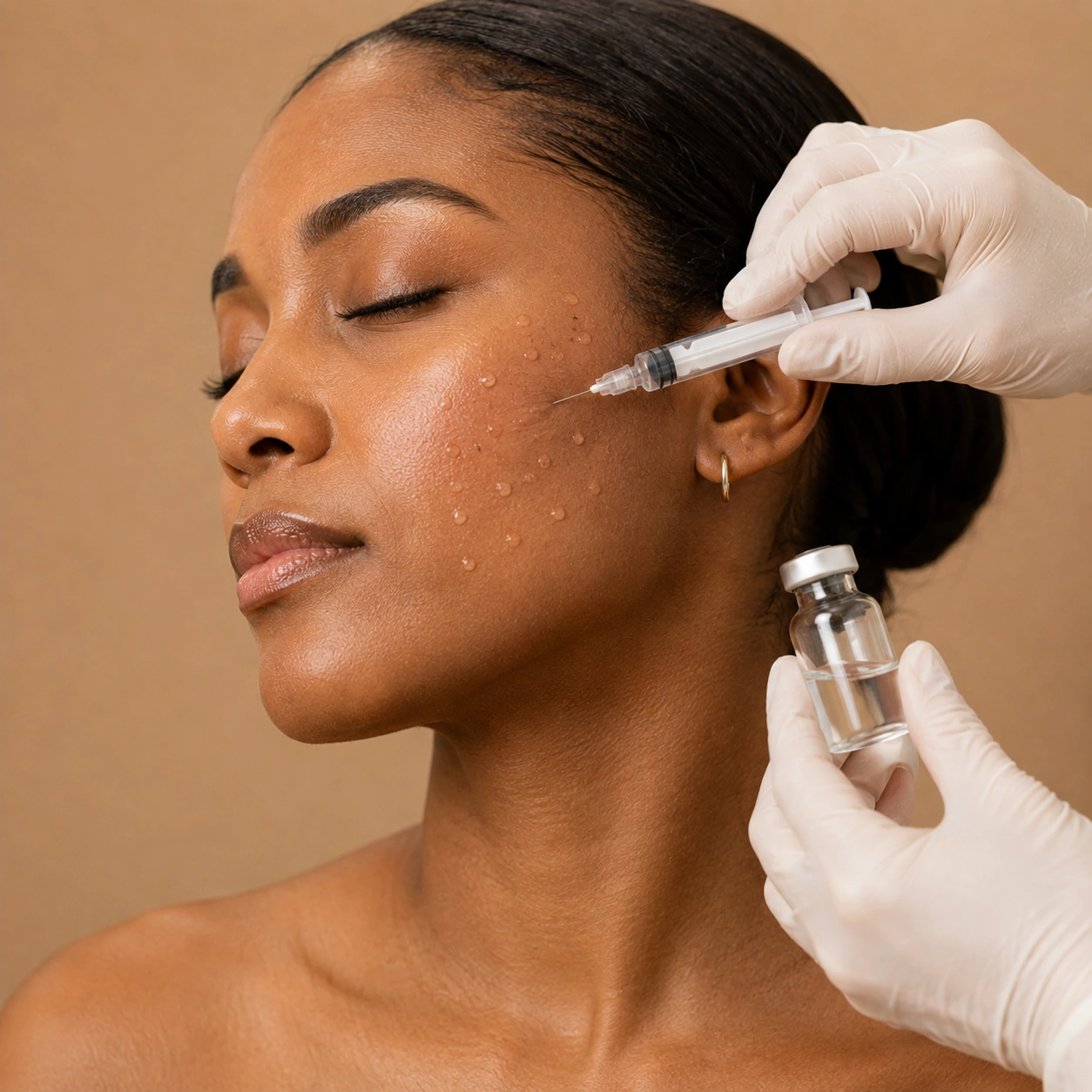
Profhilo, Sunekos, NCTF, Jalupro Hydromax, and klardie deliver hyaluronic acid and balanced nutrients into the dermis to support hydration, the skin barrier, and overall skin quality. These do not add volume; they improve skin condition.

Collagen biostimulators

  • Best for: Significant collagen loss; longer-term firming
  • Downtime: 1–3 days of swelling
  • Lasts: Around 12–18 months following a course

For more advanced crepiness with significant collagen loss, poly-L-lactic acid (PLLA) or calcium hydroxyapatite (CaHA) preparations (including HA + CaHA hybrids) — diluted appropriately for the body skin — can build collagen and provide structural firming over months.

Radiofrequency microneedling

  • Best for: Skin laxity alongside crepiness
  • Downtime: 2–5 days of redness
  • Lasts: Long-lasting; collagen remodelling continues for months

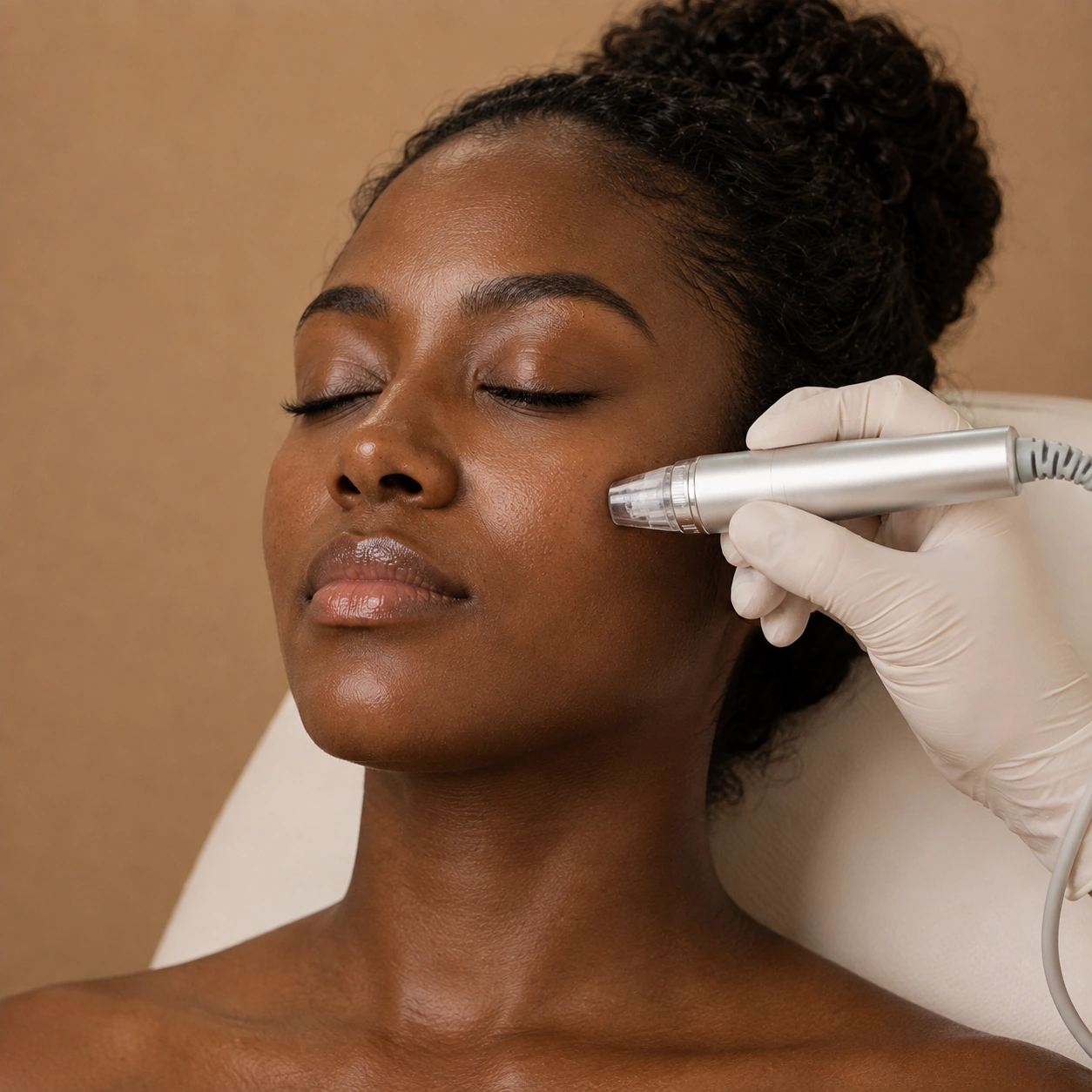
Sylfirm X delivers radiofrequency through fine needles into the dermis to encourage tightening and collagen remodelling. Particularly useful for the neck and décolletage where laxity accompanies the crepey texture. Treatment for higher Fitzpatrick skin types (IV–VI) requires careful device selection and conservative settings to reduce the risk of post-inflammatory hyperpigmentation or, in some cases, keloid scarring. Dr Garara has particular experience in aesthetic medicine for skin of colour.

PRP and platelet-derived exosomes

  • Best for: Tissue quality support
  • Downtime: 1–2 days of mild bumps
  • Lasts: Variable; benefits build over a course

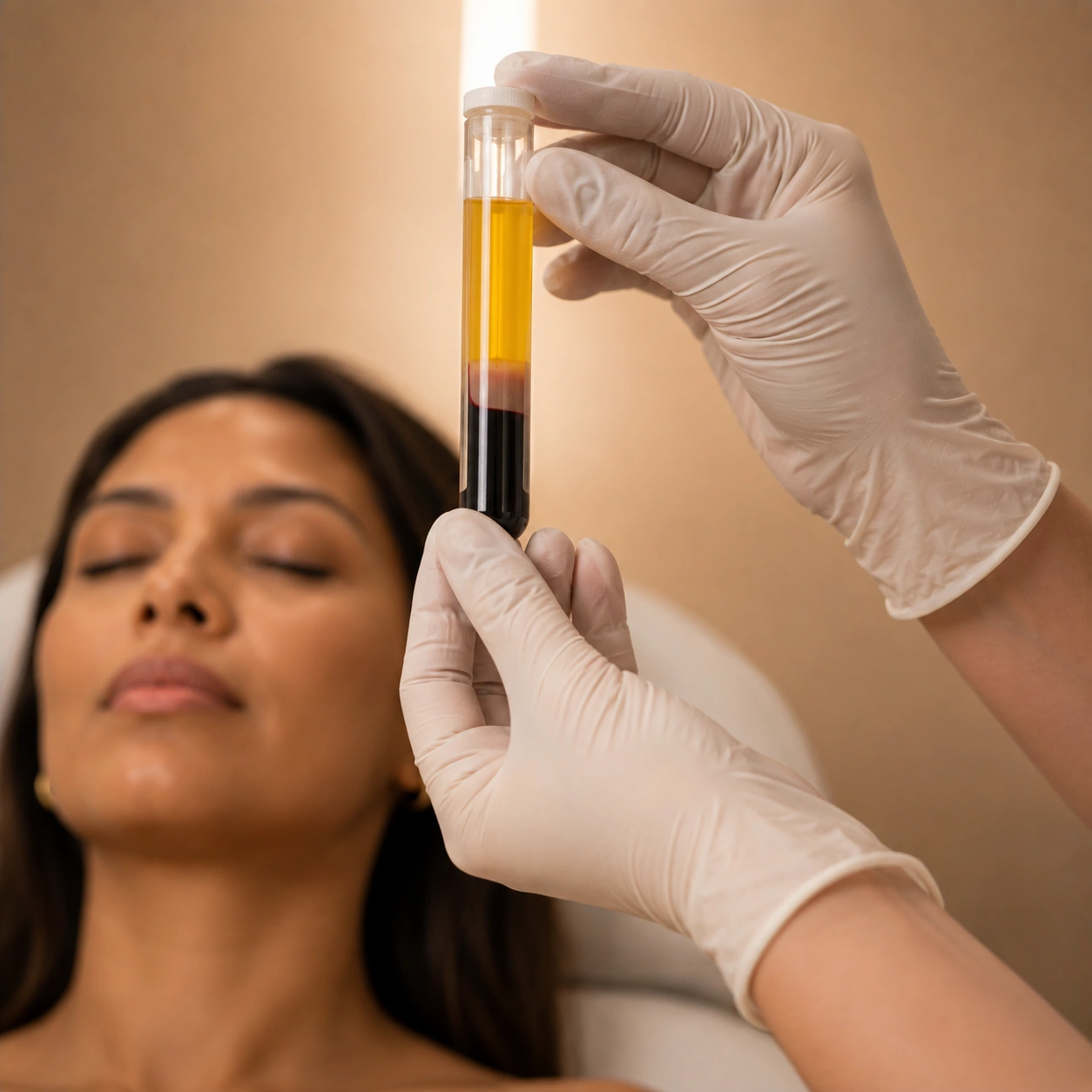
PRP and platelet-derived exosomes (both autologous, derived from your own platelets) can support tissue quality across the affected areas.

Considering treatment for crepey skin?

Book a consultation with Dr Bhavin Garara.

Book a Consultation
Compare at a glance

Treatments at a Glance

Polynucleotides, PDRN

Best suited for
Thin, finely crinkled skin
Typical downtime
1–3 days of mild bumps
How long results last
Around 6–12 months with a course
What it does
Supports the skin’s own collagen production

Multi-ingredient skinboosters

Best suited for
Dehydration and surface quality
Typical downtime
1–2 days of small bumps
How long results last
Around 6–9 months with a course
What it does
Hydrates and conditions the dermis

Collagen biostimulators

Best suited for
Significant collagen loss; longer-term firming
Typical downtime
1–3 days of swelling
How long results last
Around 12–18 months following a course
What it does
Builds collagen for gradual firmness

Radiofrequency microneedling

Best suited for
Skin laxity alongside crepiness
Typical downtime
2–5 days of redness
How long results last
Long-lasting; collagen remodelling continues for months
What it does
Tightens and remodels the dermis

PRP / platelet-derived exosomes

Best suited for
Tissue quality support
Typical downtime
1–2 days of mild bumps
How long results last
Variable; benefits build over a course
What it does
Uses your own biology to support repair

Downtime and duration figures are typical averages only. Individual results vary considerably. Dr Garara will give you a more personalised picture at consultation.

Safety & risk

Is Crepey Skin Treatment Safe?

Treatments described are widely performed and generally well tolerated on the neck, décolletage, and hands. Minor side effects include short-lived bumps at injection sites, mild swelling, and transient redness. As with any injectable or energy-based treatment, technique matters; the area should be treated by an experienced medical practitioner. The neck contains important vascular structures and the décolletage scars more readily than the face, so energy-based settings are kept conservative.

We share this not to alarm you but because patients deserve full information. Dr Garara is happy to discuss specific risks at consultation.
  • Qualified medical practitionerTreatment carried out by an experienced doctor with detailed anatomical training.
  • Reversal agents on handHyaluronidase and other complication-management tools are immediately available.
  • Full informed consentRisks, alternatives, and expected outcomes discussed in detail before any treatment.
Dr Bhavin Garara
Reviewed byDr Bhavin Garara

Frequently Asked Questions

Common questions about treating crepey skin.

Read next

Related Concerns

Crepey skin connects to other neck and décolletage concerns. You may also want to read about:

← All hands, neck and décolletage concerns

For an overview of all the facial concerns we treat, visit our Hands, neck and décolletage hub.

Next step

Ready to take the next step?

Book a consultation with Dr Bhavin Garara.

Book a Consultation

Begin with a proper assessment.

Tell us a little about what you're looking for and we'll match you with the right consultation — at the clinic or virtually.

  • Your enquiry goes directly to Dr Bhavin's team.
  • We'll be in touch within one working day.
  • All consultations are strictly confidential.

This page is for general information and does not constitute medical advice. All treatments require a personal consultation. Suitability, risks, and expected outcomes will be discussed with you in detail before any treatment is carried out.