


Dr Bhavin Garara
HomeContact UsUHai — Analyse My Skin
Enlarged Pores

Enlarged Pores

Pores are microscopic openings essential for the skin’s natural function — they release sebum and sweat and allow the skin to breathe. They become more visible when the collagen around them weakens, when they are stretched by oil and congestion, or when the surrounding skin is dehydrated and deflated. A combination of radiofrequency microneedling, superficial muscle-relaxing micro-injections, balancing skinboosters, and gentle laser resurfacing can reduce how visible pores look — without trying to “close” or “eliminate” them, which is neither possible nor desirable.

Medically reviewed by Dr Bhavin Garara, GMC 7155707 · Last reviewed: 10 March 2026

What it is

What Are Enlarged Pores?

Book a Consultation

Pores are the openings of the pilosebaceous units — the hair-follicle-and-sebaceous-gland combinations that sit throughout the skin. Their visible size depends on the diameter of the opening, the structural support around the opening (collagen and elastin in the dermis), and the visual contrast against the surrounding skin (texture, hydration, light reflection).

Pores cannot be eliminated, and the language sometimes used in marketing (“poreless skin”) is misleading. They can, however, look smaller — the goal of treatment is to support the collagen scaffolding around each pore, balance any contributing oiliness, and improve the surrounding skin so individual pores stand out less.

Dr Bhavin Garara’s approach is to identify what is making each patient’s pores look enlarged — collagen, oil, dehydration, or a combination — and treat the underlying cause rather than chase a “poreless” result.

What causes it

What Causes Enlarged Pores?

  1. 1

    Loss of collagen around the pore opening

    The collagen scaffolding around each pore keeps the opening tight. With age and sun damage, this scaffolding weakens, and pores tend to look larger and more oval — gravity pulls them downward over time.

  2. 2

    Sebum production and oil-pore stretching

    Higher sebum output keeps more oil within the pore, and chronic congestion can stretch the opening over time. Sebum-filled pores also look larger because of the contrast in colour and reflectance. See the oily skin page.

  3. 3

    Dehydration in the surrounding skin

    When the dermis is dehydrated and deflated, the skin around each pore is less plump, so individual pores stand out more. Hydrating the surrounding skin often improves pore appearance without targeting the pore itself.

  4. 4

    Sun damage

    UV-driven collagen and elastin breakdown is a major contributor to pore enlargement with age. SPF is one of the most effective measures for keeping pore appearance stable.

  5. 5

    Skin type

    Some people are simply born with larger sebaceous glands and pores; this is genetic and not pathological. The goal is refinement, not change.

Dr Bhavin Garara
Dr Bhavin Garara, MBBS, BMedSci, PGDip
Book a Consultation
Dr Garara's approach

How Dr Bhavin Garara Treats Enlarged Pores

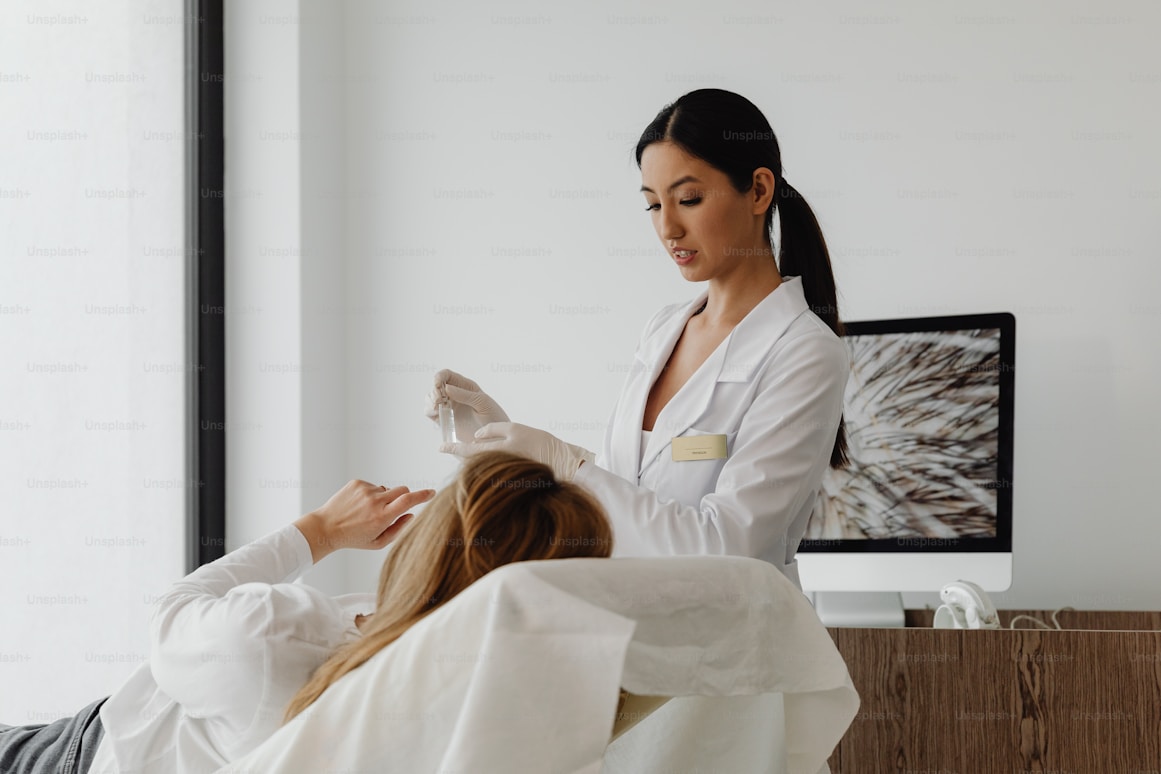
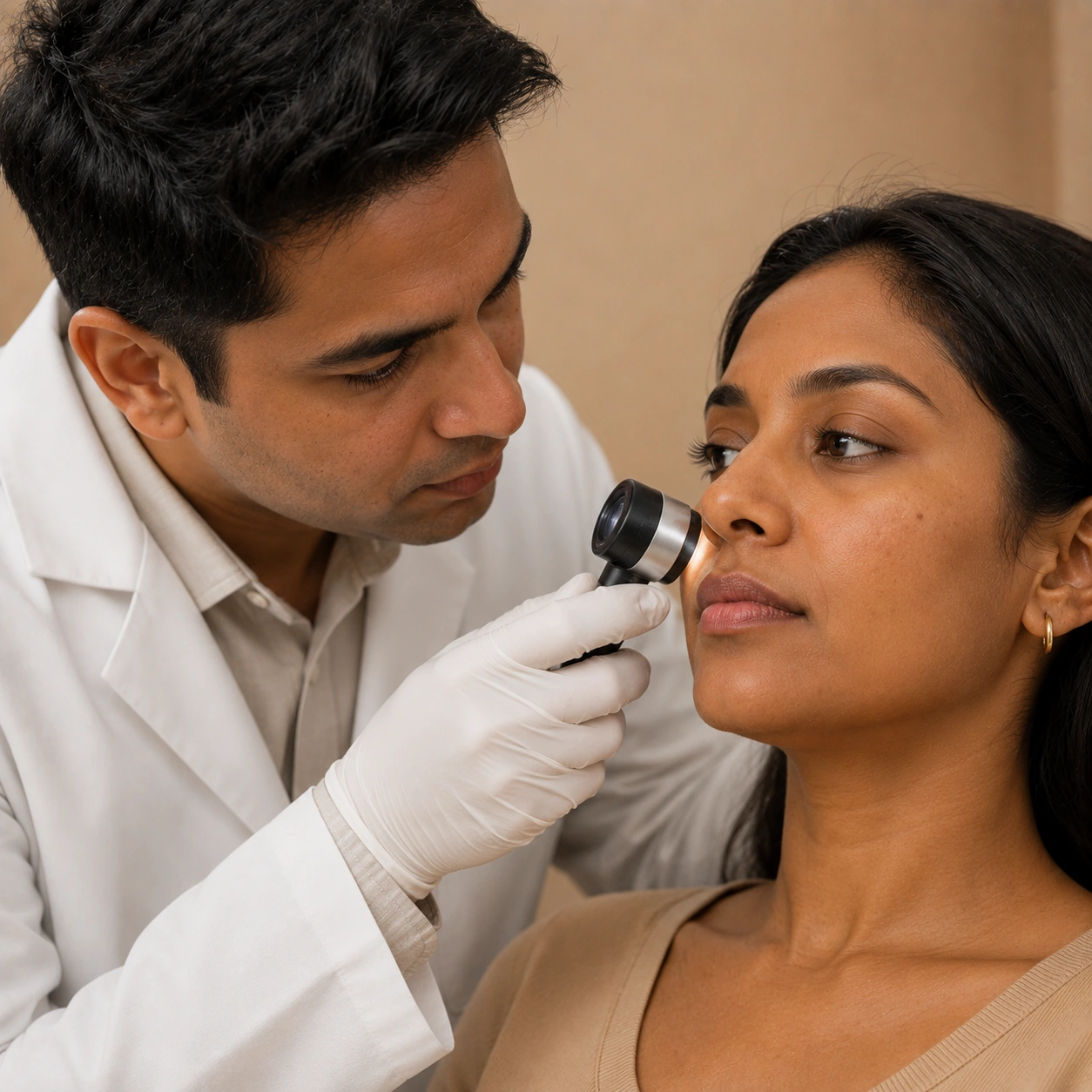
At the clinics in London, Dr Garara assesses at consultation the pattern of pore visibility (T-zone, cheeks, all-over), the contribution of oiliness, dehydration, sun damage, and collagen loss, and your current skincare routine. The plan usually combines tailored home-care advice with in-clinic treatments — radiofrequency microneedling as a long-term foundation, with superficial muscle-relaxing micro-injections, skinboosters, or laser added depending on what is driving the appearance for you specifically.
  • Anatomy-led assessmentTreatment plans built around your unique facial structure and movement.
  • Personalised planCombinations chosen for your skin, goals, and lifestyle — not a one-size-fits-all protocol.
  • Natural resultsA refreshed, well-rested version of you — never a frozen or over-treated look.

Prevention

Home Care for Enlarged Pores

Consistent daily ingredients and gentle technique work better than aggressive scrubbing.

Prevention

Features

Treatment Options for Enlarged Pores

Radiofrequency microneedling, superficial muscle-relaxing micro-injections, balancing skinboosters, laser resurfacing, polynucleotides, and medical-grade skincare.

Radiofrequency microneedling

Radiofrequency microneedling

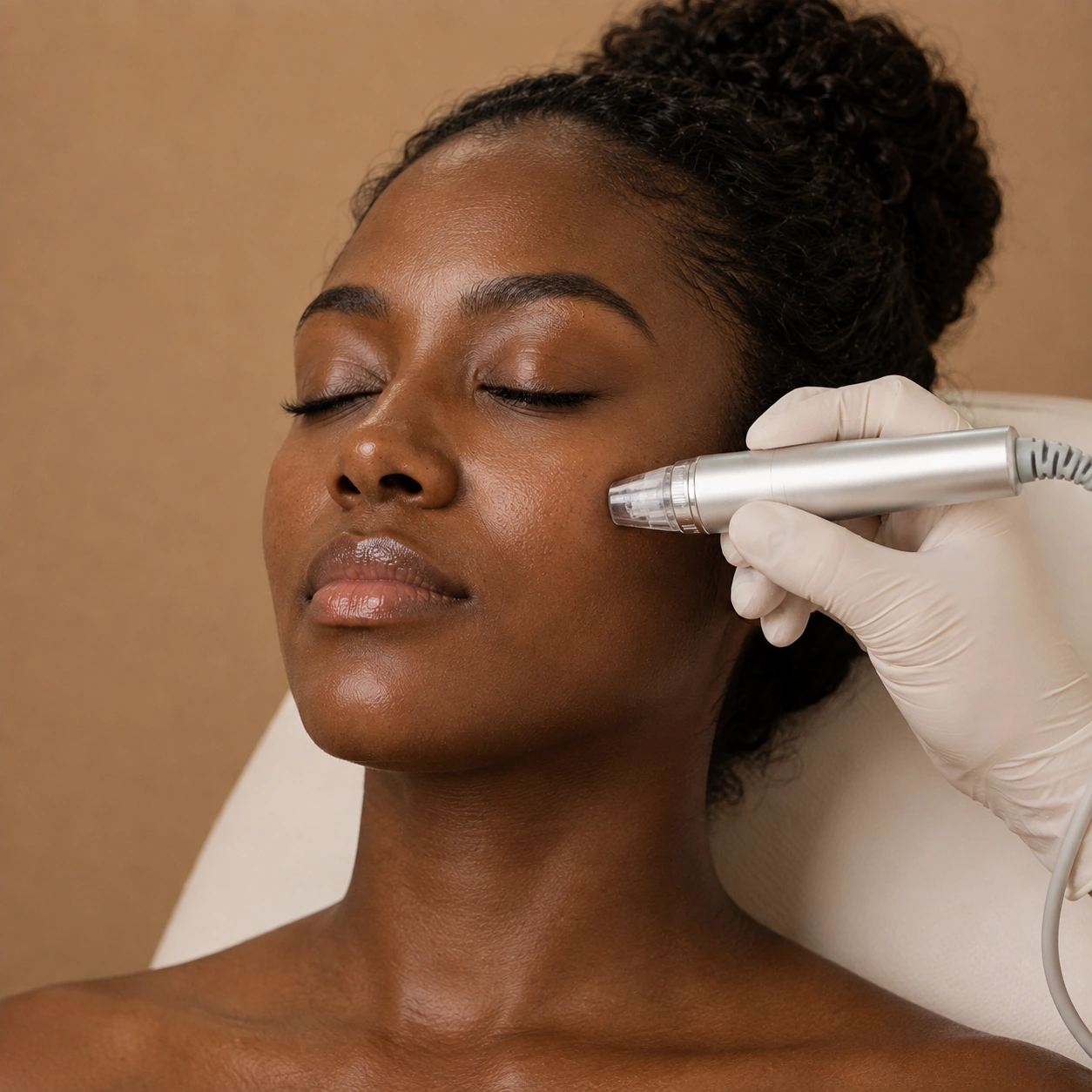
Sylfirm X delivers controlled radiofrequency energy through fine needles into the dermis to encourage collagen remodelling around each pore.

See SkinPen microneedling
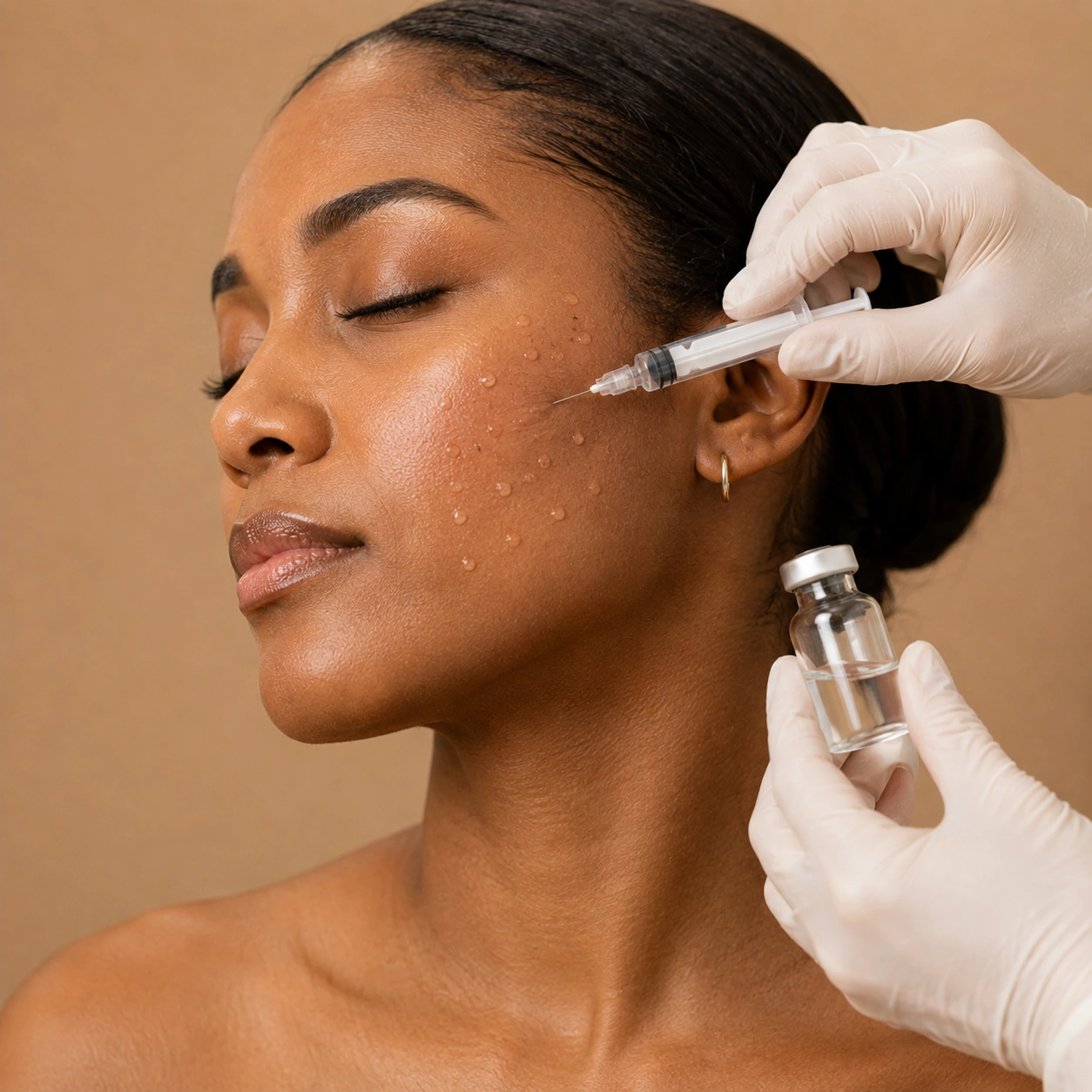
Superficial muscle-relaxing micro-injections

Superficial muscle-relaxing micro-injections

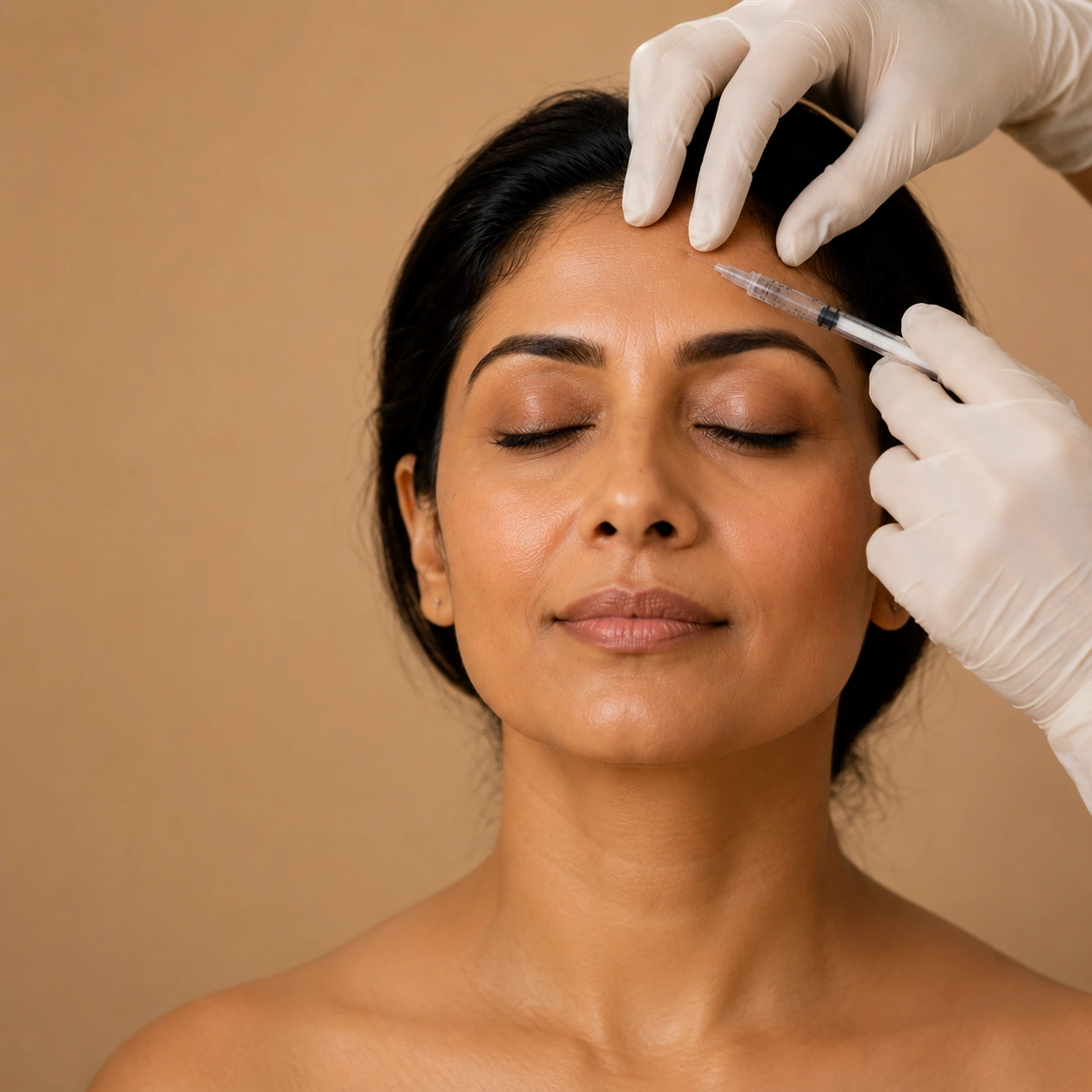
Very small, very superficial doses of muscle-relaxing injection can reduce sebum production and the size of pore openings for several months.

Balancing skinboosters

Balancing skinboosters

Multi-ingredient skinboosters (klardie, NCTF, Profhilo, Sunekos) deliver HA and balanced nutrients to plump and condition the skin around pores.

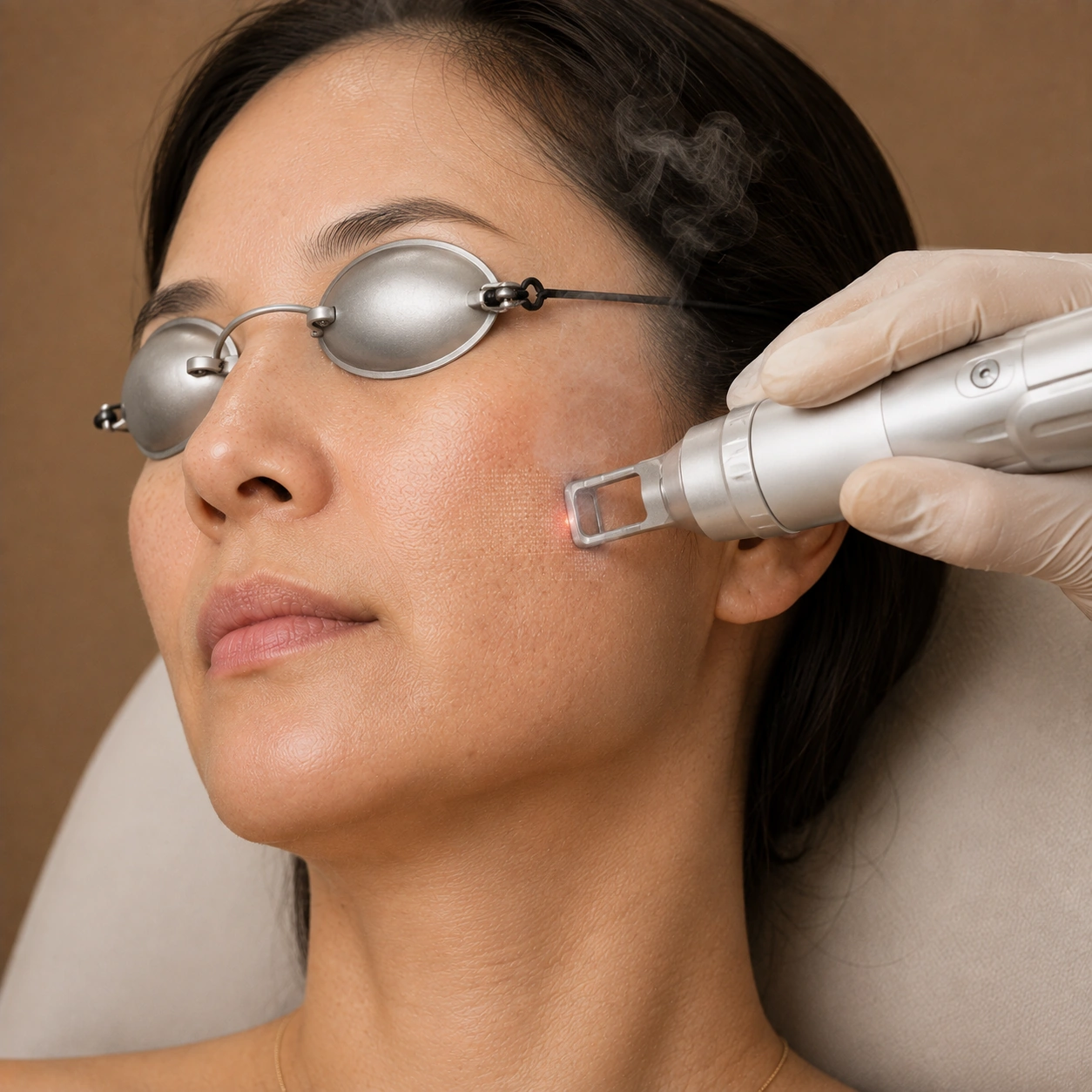
Laser resurfacing

Laser resurfacing

MultiFrax or UltraClear can refine surface texture and clear oxidised oil from open pore openings (often called “blackheads”).

Polynucleotides

Polynucleotides

Polynucleotides such as Rejuran® can also support the collagen scaffolding around pores over a course of treatments, particularly where the skin is also thin or photoaged.

See Polynucleotides
Medical-grade skincare

Medical-grade skincare

Daily niacinamide, salicylic acid, retinoid, and SPF use is the foundation. Most patients benefit from a tailored regimen built around their skin type.

Treatment is layered — radiofrequency microneedling as the long-term foundation, with superficial muscle-relaxing micro-injections, balancing skinboosters, laser, and polynucleotides added depending on the dominant driver.

Radiofrequency microneedling

  • Best for: Pore size from collagen loss; longer-term foundation
  • Downtime: 2–4 days of mild redness
  • Lasts: Long-lasting; collagen remodelling continues for months

The longer-term foundation for pore refinement is radiofrequency microneedling with Sylfirm X — controlled radiofrequency energy delivered through fine needles into the dermis to encourage collagen remodelling around each pore. A short course is typical, with results developing over weeks to months.

Treatment for higher Fitzpatrick skin types (IV–VI) requires careful device selection and conservative settings to reduce the risk of post-inflammatory hyperpigmentation or, in some cases, keloid scarring. Dr Garara has particular experience in aesthetic medicine for skin of colour and tailors device choice, energy levels, and treatment intervals accordingly.

Superficial muscle-relaxing micro-injections

  • Best for: Severe visible pores requiring shorter-term refinement
  • Downtime: None — brief redness
  • Lasts: Around 3–4 months

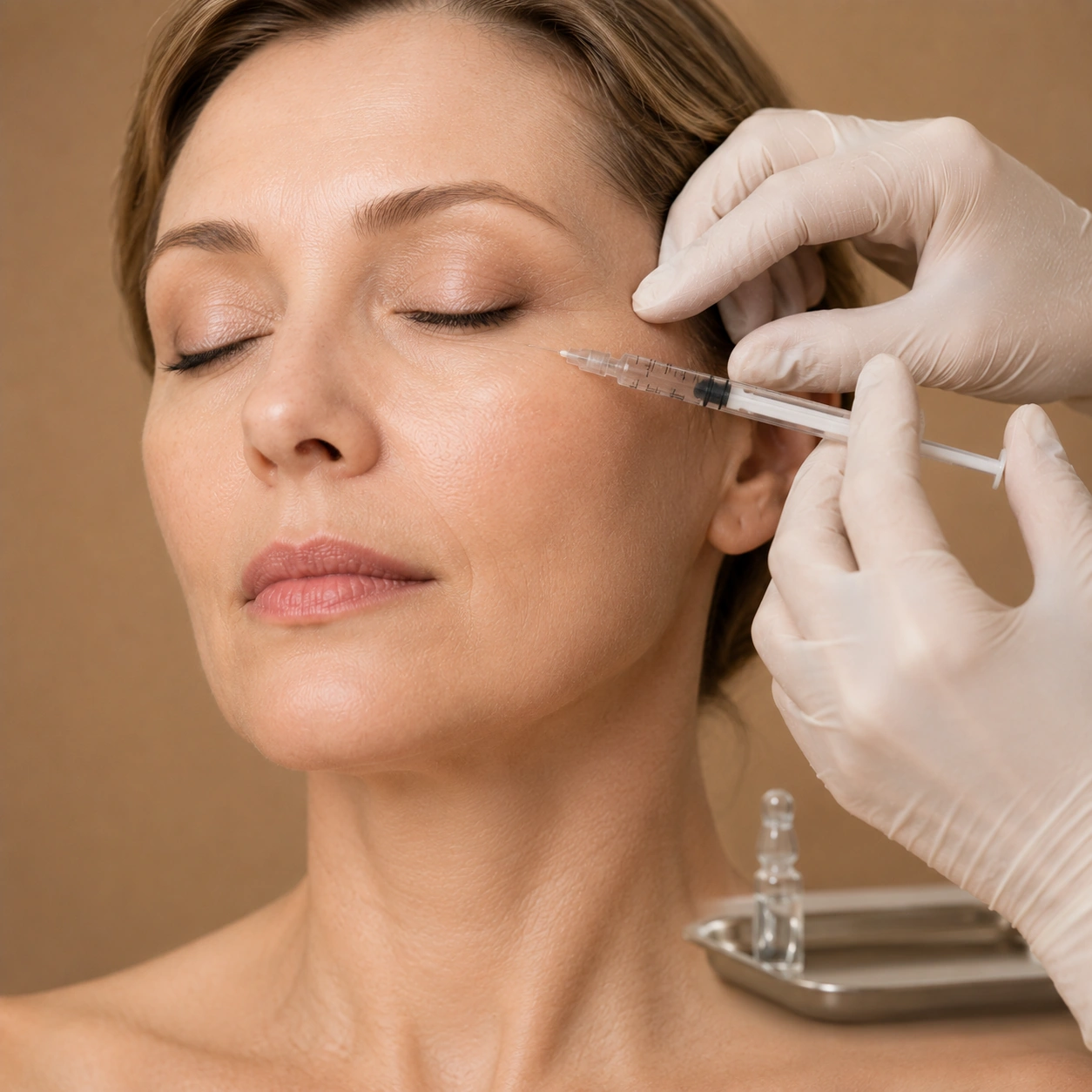
For an immediate, short-term refinement of pore appearance — particularly across the central face — very small, very superficial doses of muscle-relaxing injection can reduce sebum production and the size of pore openings for several months.

Prescription muscle-relaxing injections work by temporarily reducing the activity of specific muscles, so the skin above them stops folding with each movement. The active ingredient is botulinum toxin type A, a purified protein delivered in very small, precisely placed doses. These are prescription-only medicines in the UK, which means they can only be prescribed and administered by a qualified medical prescriber following a face-to-face consultation. Whether this treatment is suitable for you, and what specific product or dose would be used, is something Dr Garara will discuss with you at consultation. It is not suitable for everyone.

This use of botulinum toxin is what’s known as “off-licence” — established, lawful practice in qualified medical hands, but not specifically licensed by UK regulators for this particular indication. Dr Garara will explain this fully at consultation, including why he considers it appropriate for your case, and will obtain your informed consent before any treatment.

Balancing skinboosters

  • Best for: Pores exacerbated by dehydrated, deflated skin
  • Downtime: 1–2 days of small bumps
  • Lasts: Around 6–9 months with a course

Many patients with visible pores also have dehydrated dermis; treating the dehydration often visibly reduces pore appearance. Multi-ingredient skinboosters such as klardie, NCTF, Profhilo, and Sunekos deliver hyaluronic acid and balanced nutrients into the dermis to plump and condition the surrounding skin.

Laser resurfacing

  • Best for: Congested, texturally rough skin around pores
  • Downtime: 2–7 days depending on the device
  • Lasts: Long-lasting; results continue developing for months

For congested or texturally rough skin around the pores, gentle laser resurfacing — MultiFrax (a 1550/1927nm dual-wavelength non-ablative fractional laser) or UltraClear (a 2910nm fibre laser marketed as a “cold ablative” fractional system) — can refine surface texture and clear oxidised oil from open pore openings (often called “blackheads”).

Polynucleotides

  • Best for: Photoaged or thin skin alongside enlarged pores
  • Downtime: Small bumps for 24–48 hours
  • Lasts: Around 6–12 months with a course

Polynucleotides (PN) such as Rejuran® can also support the collagen scaffolding around pores over a course of treatments, particularly where the skin is also thin or photoaged.

Medical-grade skincare

Daily niacinamide, salicylic acid, retinoid, and SPF use is the foundation. Most patients benefit from a tailored regimen built around their skin type.

Considering treatment for enlarged pores?

Book a consultation with Dr Bhavin Garara to discuss the right combination for your skin.

Book a Consultation
Compare at a glance

Treatments at a Glance

Radiofrequency microneedling

Best suited for
Pore size from collagen loss; longer-term foundation
Typical downtime
2–4 days of mild redness
How long results last
Long-lasting; collagen remodelling continues for months
What it does
Rebuilds collagen around the pore opening

Superficial micro-injections (muscle-relaxing)

Best suited for
Severe visible pores requiring shorter-term refinement
Typical downtime
None — brief redness
How long results last
Around 3–4 months
What it does
Reduces sebum production and visible pore size

Balancing skinboosters

Best suited for
Pores exacerbated by dehydrated, deflated skin
Typical downtime
1–2 days of small bumps
How long results last
Around 6–9 months with a course
What it does
Hydrates and plumps surrounding skin so pores stand out less

Laser resurfacing

Best suited for
Congested, texturally rough skin around pores
Typical downtime
2–7 days depending on the device
How long results last
Long-lasting; results continue developing for months
What it does
Refines surface and clears trapped oil from pore openings

Polynucleotides

Best suited for
Photoaged or thin skin alongside enlarged pores
Typical downtime
Small bumps for 24–48 hours
How long results last
Around 6–12 months with a course
What it does
Supports collagen scaffolding around pores

Downtime and duration figures are typical averages only. Individual results vary considerably. Dr Garara will give you a more personalised picture at consultation.

Safety & risk

Is Enlarged Pore Treatment Safe?

The in-clinic options described are widely performed and generally well tolerated. Common minor side effects are short-lived redness, mild swelling, and small bumps at injection sites. As with any energy-based or injectable treatment in the face, the area should be treated only by an experienced medical practitioner who understands the anatomy and can manage complications. Higher Fitzpatrick skin types require particular care with energy-based treatments to reduce the risk of post-inflammatory hyperpigmentation; this is covered in detail at consultation.

We share this not to alarm you, but because patients deserve full information. Dr Garara is always happy to discuss the specific risks of any treatment in detail at your consultation.
  • Qualified medical practitionerTreatment carried out by an experienced doctor with detailed anatomical training.
  • Reversal agents on handHyaluronidase and other complication-management tools are immediately available.
  • Full informed consentRisks, alternatives, and expected outcomes discussed in detail before any treatment.
Dr Bhavin Garara
Reviewed byDr Bhavin Garara

Frequently Asked Questions

Common questions about treating enlarged pores.

Read next

Related Concerns

Enlarged pores often appear alongside other skin concerns. You may also want to read about:

← All skin concerns

For an overview of all the facial concerns we treat, visit our Skin treatments hub.

Next step

Ready to take the next step?

Book a consultation with Dr Bhavin Garara.

Book a Consultation

Begin with a proper assessment.

Tell us a little about what you're looking for and we'll match you with the right consultation — at the clinic or virtually.

  • Your enquiry goes directly to Dr Bhavin's team.
  • We'll be in touch within one working day.
  • All consultations are strictly confidential.

This page is for general information and does not constitute medical advice. All treatments require a personal consultation. Suitability, risks, and expected outcomes will be discussed with you in detail before any treatment is carried out.