

Joint and Soft Tissue Injury
What is a joint and soft tissue injury?
Improve movement and ease inflammation
A joint and soft tissue injury occurs when structures such as cartilage, tendons, ligaments, or muscles are damaged due to overuse, trauma, poor biomechanics, or age-related degeneration. As a result, you may experience pain, stiffness, swelling, weakness, or even a reduced range of movement. In many cases, the issue is not a dramatic tear, but a microscopic breakdown that has struggled to heal. Commonly affected areas include the shoulders, elbows, hands and wrists, hips, knees, and feet, and Dr Garara evaluates your condition carefully to support targeted biological repair.
Conditions
Signs and symptoms of joint and soft tissue injury
Quick Overview
Treatment at a Glance
Key facts about this procedure to help you understand what to expect before, during, and after your treatment.
Book a ConsultationTreatment time
30 - 60 minutes
Recovery time
Minimal; temporary soreness or stiffness
Anaesthesia
Local anaesthetic, no general
Results duration
Progressive over 6 - 12 weeks
Sessions needed
2 - 4 sessions, several weeks apart
Aftercare
Activity modification then graded return. Best paired with rehabilitation
How It Works
How does regenerative joint treatment work?
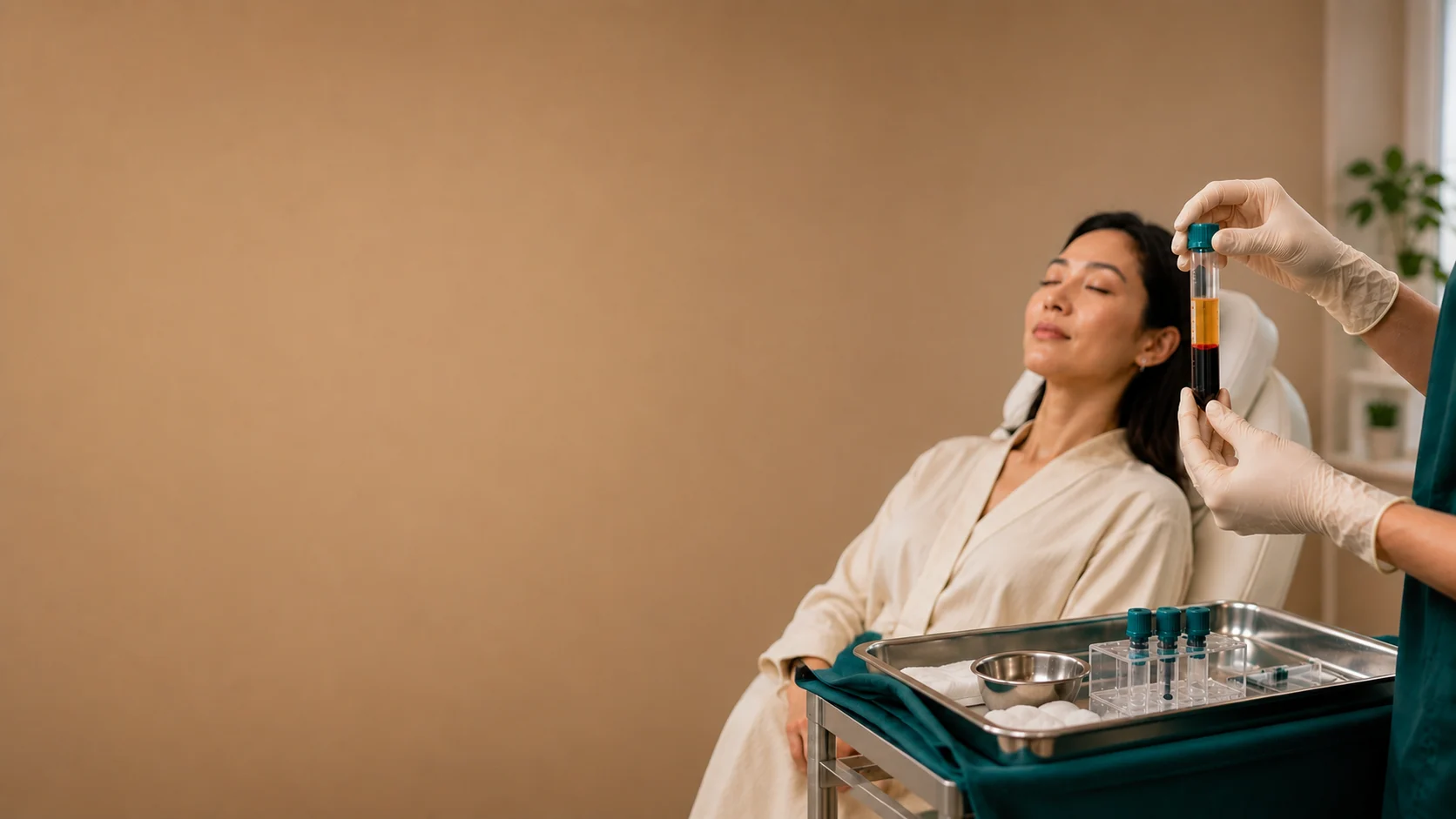
Your treatment begins with a detailed consultation in which your symptoms, movement patterns, injury history, and lifestyle demands are carefully assessed, focusing on the underlying structural and biological causes rather than pain in isolation. Platelet-rich plasma (PRP), created from a small sample of your own blood, concentrates platelets that contain growth factors to stimulate collagen production, improve blood flow, and regulate inflammation when injected into an injured tendon, ligament, or joint. Autologous platelet-derived exosomes are microscopic messenger particles that help injured cells communicate, reset inflammatory pathways, and promote tissue remodelling — providing a more refined biological signal than PRP alone.
The Real Benefits of Choosing Our Cosmetic Solutions
Focuses on addressing the root biological cause rather than simply masking pain
Utilises your body’s own regenerative capacity through autologous therapies
Supports collagen production and tissue remodelling at a cellular level
Helps regulate chronic inflammation within tendons, ligaments, and joints
Minimally invasive, in-clinic procedures with no general anaesthetic
Can be integrated with rehabilitation and biomechanical correction
Suitable for early degenerative change and certain chronic injuries
Your joint and soft tissue injury treatment with Dr Garara
Consultation: Your treatment begins with a detailed consultation led by Dr Garara, during which your symptoms, movement patterns, injury history, and lifestyle demands are carefully assessed. Rather than treating pain in isolation, he focuses on identifying the underlying structural and biological causes of your condition, using his surgical background and regenerative medicine expertise to curate a personalised, long-term plan.
Platelet-rich plasma (PRP): PRP is created from a small sample of your own blood, processed to concentrate platelets that contain growth factors. These help guide tissue repair by stimulating collagen production, improving blood flow, and regulating inflammation. When injected into an injured tendon, ligament, or joint, PRP supports the healing response rather than masking symptoms.
Autologous platelet-derived exosomes: Exosomes are microscopic messenger particles released from activated platelets that carry molecular signals to help injured cells communicate, reset inflammatory pathways, and promote tissue remodelling at a cellular level. Compared to PRP alone, they provide a more refined biological signal, supporting deeper regenerative processes and longer-term repair.
Recovery and results: You may experience temporary soreness or stiffness after treatment as your body responds, with activity modification recommended initially followed by a gradual return to movement. Improvement typically develops over several weeks, with many patients noticing reductions in pain and improvements in function over 6 to 12 weeks. Regenerative treatment works best when paired with appropriate loading, rehabilitation, and biomechanical correction.

Expert skin analysis
from anywhere
Explore FAQs on Joint and Soft Tissue Injury
Find answers to common questions about joint and soft tissue injury.
Begin with a proper assessment.
Tell us a little about what you're looking for and we'll match you with the right consultation — at the clinic or virtually.