


Dr Bhavin Garara
HomeContact UsUHai — Analyse My Skin
Facial Scarring

Facial Scarring

Facial scarring takes several forms — atrophic (depressed) acne scars, raised hypertrophic and keloid scars, post-traumatic and post-surgical scars, and post-inflammatory marks. Effective treatment depends on accurate identification of scar type and a layered, realistic plan: typically multiple modalities over several months, with no single treatment producing complete clearance. The aim is meaningful long-term improvement in texture and tone rather than complete removal.

Medically reviewed by Dr Bhavin Garara, GMC 7155707 · Last reviewed: 15 April 2026

Hypertrophic and keloid scarring are recognised medical scar types. Severe, painful, or rapidly enlarging scars benefit from dermatological assessment. This page is general information, not a diagnosis. Dr Garara will assess each scar at consultation and discuss the appropriate pathway.

What it is

What Is Facial Scarring?

Book a Consultation

Scars develop when the skin’s healing response produces collagen that is different in organisation and quality from undamaged dermis. Depending on which way the healing response over- or under-shoots, scars take different forms — and the right treatment differs accordingly.

Dr Bhavin Garara’s approach is to map the scar topography at consultation, identify which combinations are present, and build a realistic, staged plan.

Where it shows

Types of Scar

  • Atrophic (depressed) scars — usually post-acne

    Subtypes: Ice-pick — narrow, deep, sharp-edged pits. Boxcar — wider, U-shaped depressions with sharp edges. Rolling — wave-like undulations from fibrous bands tethering the skin to underlying tissue.

  • Hypertrophic scars

    Raised but stay within the original wound border. Usually red and may itch.

  • Keloid scars

    Raised and extend beyond the original wound border. More common in skin of colour and at certain anatomical sites; often itch.

  • Post-inflammatory marks

    Red (PIE) or brown (PIH) marks left after acne or skin injury; not strictly scars but often treated together.

What causes it

What Causes Scarring?

  1. 1

    Skin trauma and inflammation

    Severe inflammatory acne, surgical procedures, trauma, burns, and chronic skin conditions can all leave scars.

  2. 2

    Genetic predisposition

    Hypertrophic and keloid tendency runs in families and is more common in some ethnic backgrounds.

  3. 3

    Anatomical site

    Skin over bone (sternum, jawline, shoulders) is more prone to hypertrophic and keloid scarring.

  4. 4

    Wound healing factors

    Tension on a healing wound, infection, delayed healing, and certain medications can affect scar outcome.

  5. 5

    Skin-of-colour patterns

    Higher Fitzpatrick types are more prone to keloid formation and post-inflammatory hyperpigmentation.

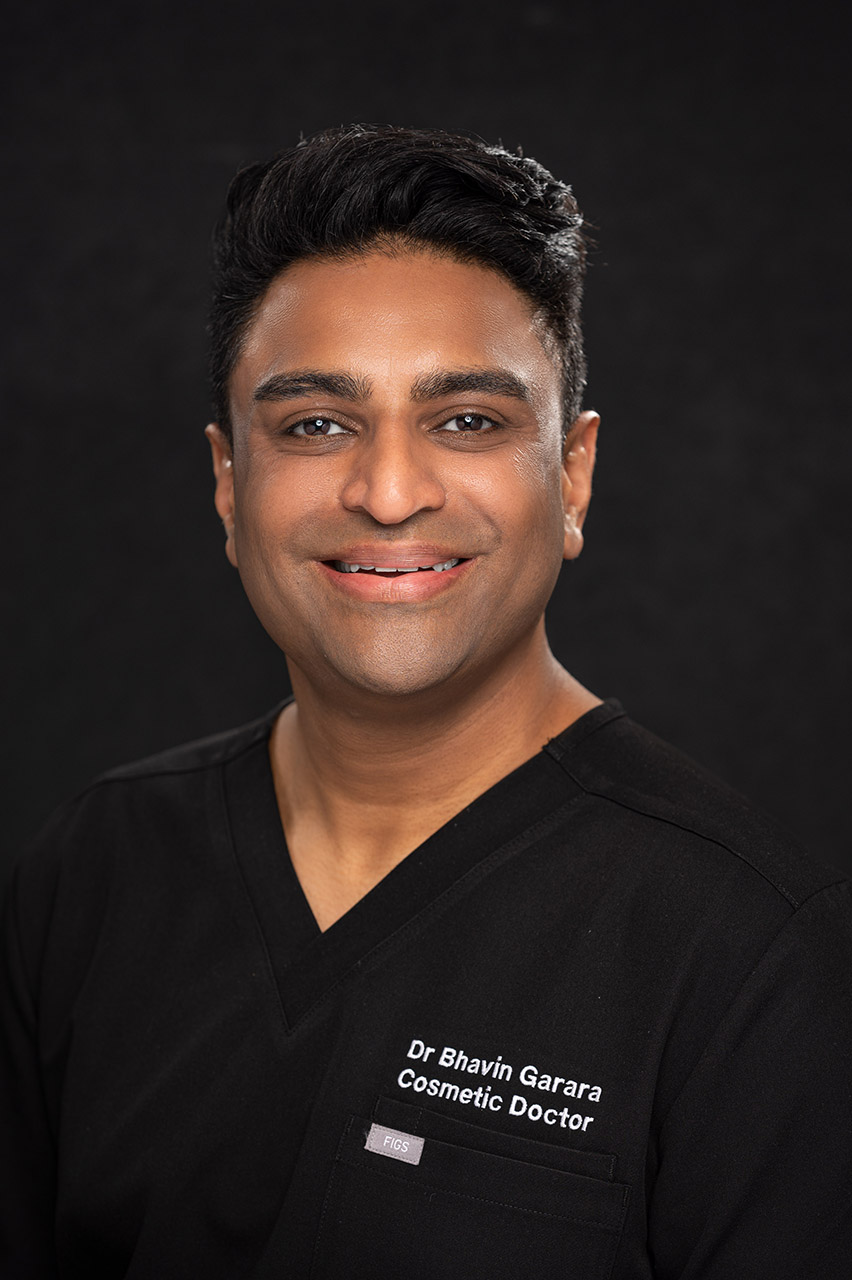
Dr Bhavin Garara
Dr Bhavin Garara, MBBS, BMedSci, PGDip
Book a Consultation
Dr Garara's approach

How Dr Bhavin Garara Treats Facial Scarring

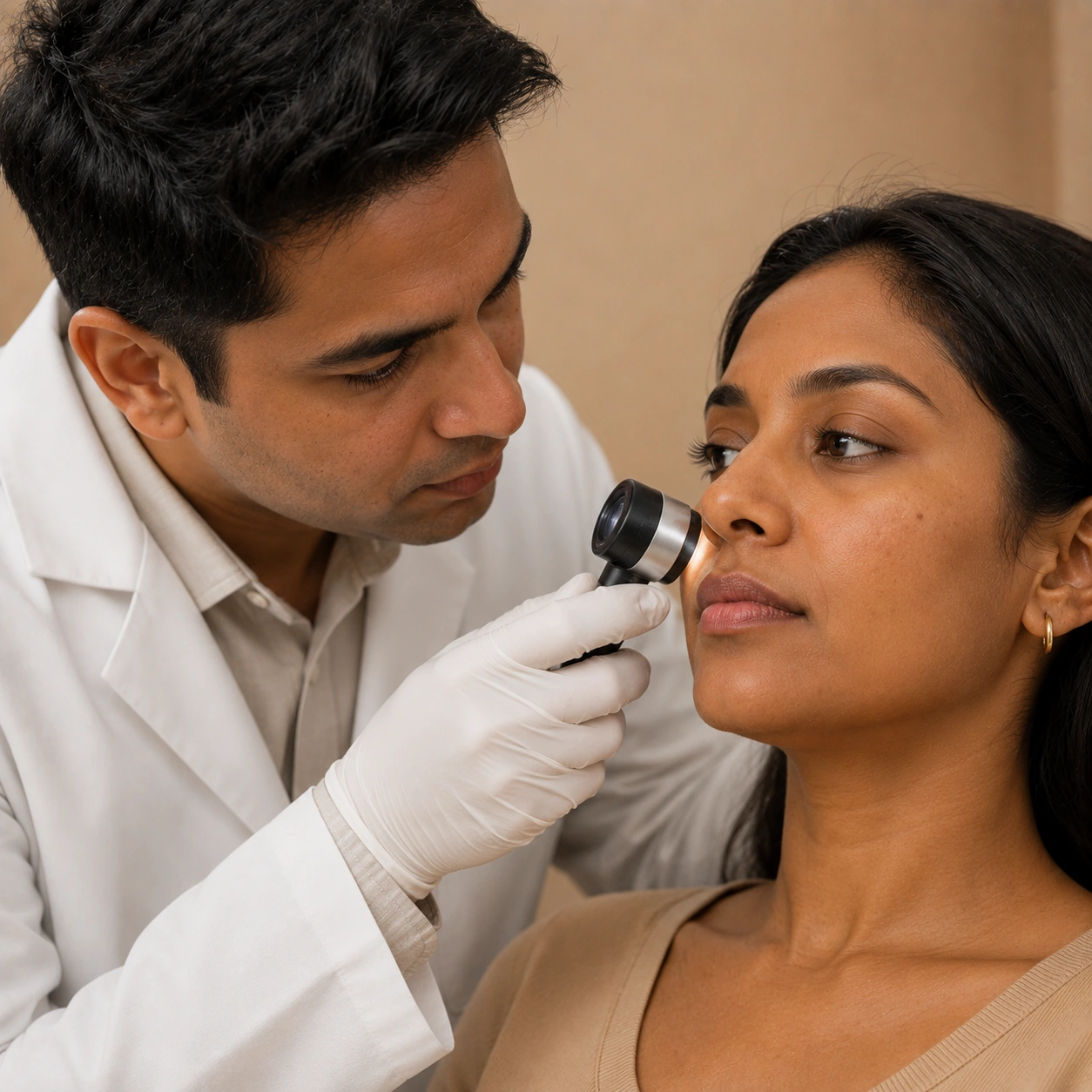
At the clinics in London, Dr Garara assesses scar topography in detail (depth, type, tethering, colour, age), Fitzpatrick skin type, healing history, and any indication for dermatological referral.

The plan combines treatments appropriate to each scar type — subcision for tethered rolling scars, fractional laser for boxcar and ice-pick scars, intralesional steroid for raised scars, regenerative skin treatments for tissue support, and structural rebuilding (biostimulator or Seffiller in selected cases) where volume restoration is needed.

  • Anatomy-led assessmentTreatment plans built around your unique facial structure and movement.
  • Personalised planCombinations chosen for your skin, goals, and lifestyle — not a one-size-fits-all protocol.
  • Natural resultsA refreshed, well-rested version of you — never a frozen or over-treated look.

Features

Treatment Options for Facial Scarring

Subcision, fractional laser, RF microneedling, intralesional steroid, regenerative, and Seffiller — combined by scar type.

Subcision

Subcision

For tethered rolling scars. A needle or cannula mechanically releases the fibrous tethers; often combined with biostimulator placement into the subcised space.

Fractional laser resurfacing

Fractional laser resurfacing

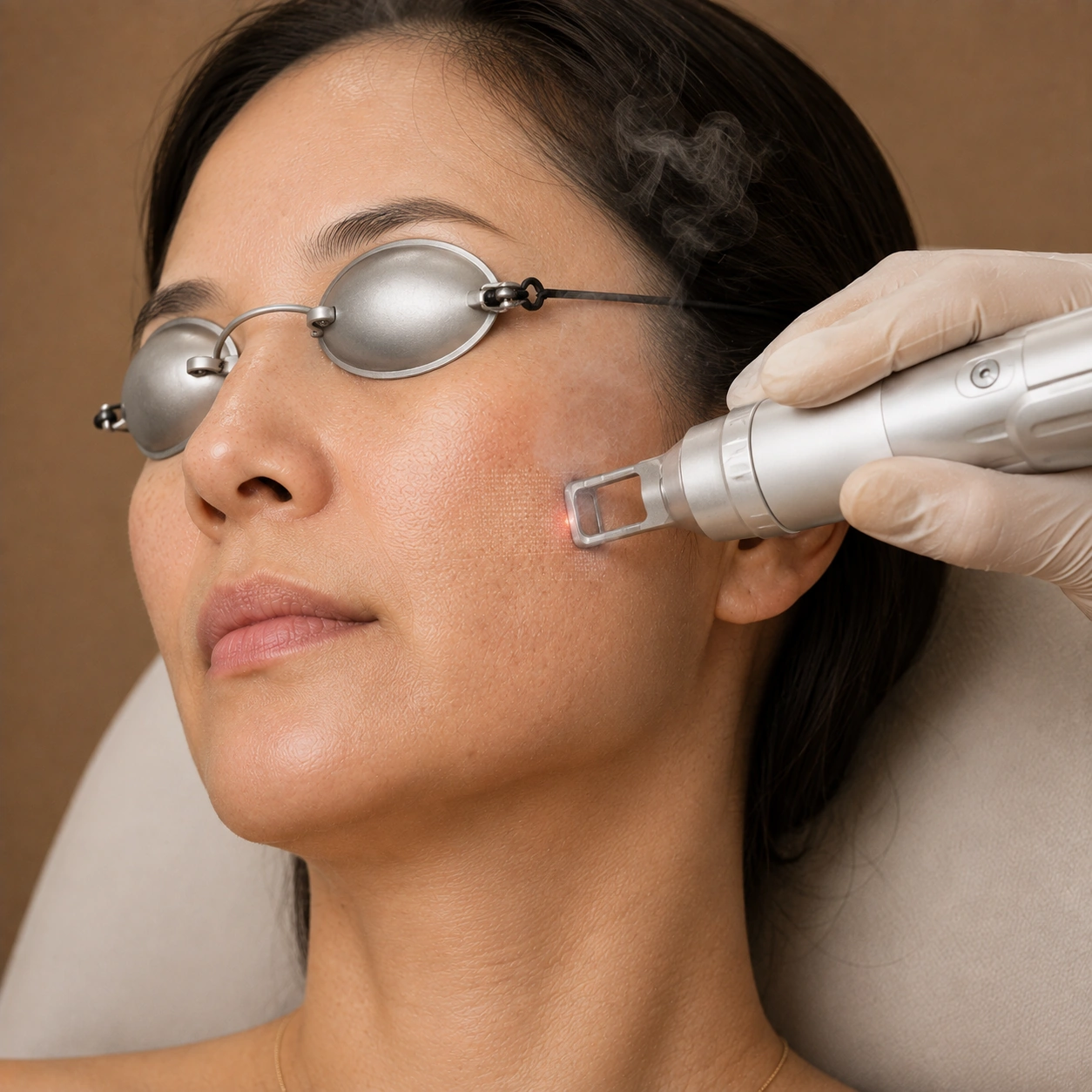
UltraClear (2910nm) refines sharp edges of boxcar and ice-pick scars; MultiFrax (1550/1927nm) is a gentler option for diffuse textural irregularity.

Radiofrequency microneedling (Sylfirm X)

Radiofrequency microneedling (Sylfirm X)

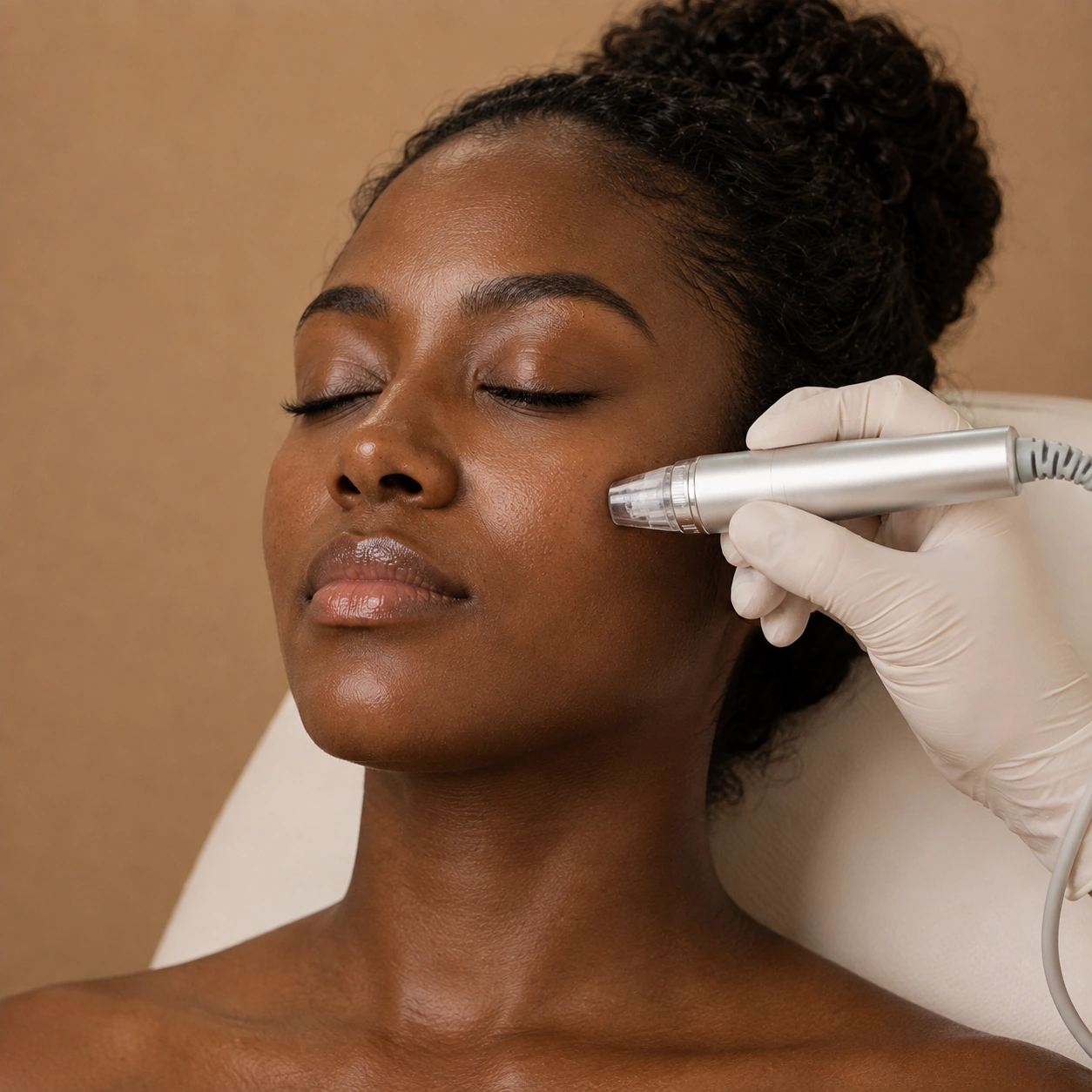
Delivers radiofrequency through fine needles into the dermis — useful for breaking up dermal scar tissue and supporting collagen remodelling.

See Sylfirm X
Intralesional steroid for raised scars (prescription-only medicine)

Intralesional steroid for raised scars (prescription-only medicine)

For raised hypertrophic and keloid scars. Softens and flattens by reducing the overactive healing response. POM; multiple sessions usually needed.

Collagen biostimulators

Collagen biostimulators

PLLA or CaHA preparations placed into the void created by subcision build collagen over weeks and months, discouraging re-tethering and supporting elevation.

Regenerative skin treatments

Regenerative skin treatments

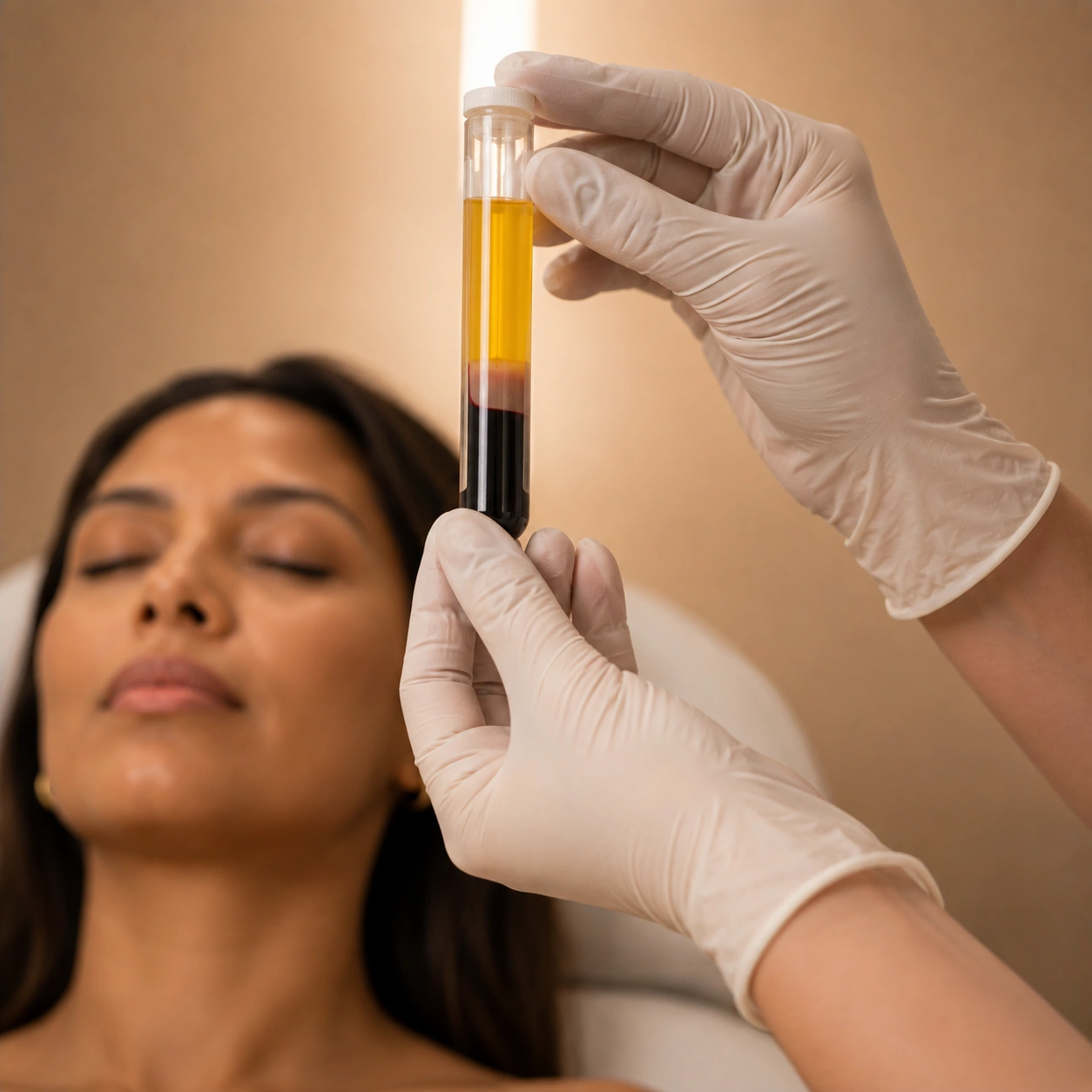
Polynucleotides (Rejuran®), PDRN, skinboosters, PRP, and platelet-derived exosomes support tissue quality and organised collagen healing.

Seffiller — autologous regenerative (selective)

Seffiller — autologous regenerative (selective)

For severe atrophic scarring with significant volume loss, Seffiller rebuilds the dermal foundation using the patient’s own tissue.

Scar revision is typically layered — multiple modalities chosen by scar type, over several months. The aim is meaningful long-term improvement, not complete erasure.

Subcision

  • Best for: Tethered rolling scars
  • Downtime: 2–5 days of swelling and bruising
  • Lasts: Long-lasting; collagen remodelling continues for months

For tethered rolling scars where fibrous bands hold the skin down to underlying tissue, subcision — using a needle or cannula to mechanically release the fibrous tethers — frees the skin so it can rise to a more even plane. Often combined immediately with collagen biostimulator placement into the subcised space to discourage re-tethering.

Fractional laser resurfacing

  • Best for: Boxcar, ice-pick, and diffuse textural scarring
  • Downtime: 3–7 days of redness and peeling
  • Lasts: Long-lasting; results develop over months

UltraClear (a 2910nm fibre laser marketed as a “cold ablative” fractional system) is designed to refine the sharp edges of boxcar and ice-pick scars and to stimulate collagen renewal across treated zones. MultiFrax (a 1550/1927nm non-ablative dual-wavelength laser) is a gentler option for diffuse textural irregularity. Multiple sessions are typically needed.

Radiofrequency microneedling (Sylfirm X)

  • Best for: Mixed scar patterns; dermal remodelling
  • Downtime: 2–4 days of mild redness
  • Lasts: Long-lasting; collagen remodelling continues for months

Sylfirm X delivers radiofrequency through fine needles into the dermis, useful for breaking up dermal scar tissue and supporting collagen remodelling. Particularly effective in combination with other modalities.

Intralesional steroid for raised scars (prescription-only medicine)

  • Best for: Raised hypertrophic and keloid scars
  • Downtime: None — brief soreness
  • Lasts: Softens / flattens over weeks; usually repeated

For raised hypertrophic and keloid scars, intralesional steroid injection softens and flattens the raised scar by reducing the overactive healing response. A brand example some patients may have heard of is Kenalog®. This is a prescription-only medicine in the UK, which means it can only be prescribed and administered by a qualified medical prescriber following a face-to-face consultation. Whether it is suitable for you is something Dr Garara will discuss with you at consultation. It is not suitable for everyone.

Intralesional steroid is a prescription-only medicine (POM) and must be prescribed and administered by a qualified medical prescriber following a face-to-face consultation. The effect is to flatten and soften a raised scar; more than one treatment is usually needed, and the result is not described as permanent.

Collagen biostimulators

For depressed and tethered scars, poly-L-lactic acid (PLLA) or calcium hydroxyapatite (CaHA) preparations placed into the void created by subcision build collagen over weeks and months, discouraging the scar from re-tethering and supporting elevation.

Regenerative skin treatments

  • Best for: All scar types; supports healing
  • Downtime: 1–3 days of mild redness
  • Lasts: Around 6–12 months with a course

Polynucleotides (Rejuran®), PDRN, multi-ingredient skinboosters, autologous PRP, and platelet-derived exosomes support tissue quality, encourage organised collagen healing, and reduce post-inflammatory pigment risk.

Seffiller — autologous regenerative (selective)

  • Best for: Severe atrophic scarring; selective
  • Downtime: 5–10 days of swelling
  • Lasts: Variable — a proportion integrates and lasts

For severe atrophic scarring with significant volume loss, Seffiller (the clinic’s autologous fat-grafting treatment) can rebuild the dermal foundation using the patient’s own tissue. A proportion of the transferred fat integrates and provides long-lasting volume; results vary between individuals.

Treatment for higher Fitzpatrick skin types (IV–VI) requires careful device selection and conservative settings to reduce the risk of post-inflammatory hyperpigmentation or, in some cases, keloid formation. Dr Garara has particular experience in aesthetic medicine for skin of colour.

Considering treatment for facial scarring?

Book a consultation with Dr Bhavin Garara.

Book a Consultation
Compare at a glance

Treatments at a Glance

Subcision + biostimulator

Best suited for
Tethered rolling scars
Typical downtime
2–5 days of swelling and bruising
How long results last
Long-lasting; collagen remodelling continues for months
What it does
Releases tethers and rebuilds collagen

Fractional laser (UltraClear / MultiFrax)

Best suited for
Boxcar, ice-pick, and diffuse textural scarring
Typical downtime
3–7 days of redness and peeling
How long results last
Long-lasting; results develop over months
What it does
Refines surface and remodels collagen

Radiofrequency microneedling

Best suited for
Mixed scar patterns; dermal remodelling
Typical downtime
2–4 days of mild redness
How long results last
Long-lasting; collagen remodelling continues for months
What it does
Breaks up dermal scar and remodels

Intralesional steroid (POM)

Best suited for
Raised hypertrophic and keloid scars
Typical downtime
None — brief soreness
How long results last
Softens / flattens over weeks; usually repeated
What it does
Reduces overactive healing response

Regenerative skin treatments

Best suited for
All scar types; supports healing
Typical downtime
1–3 days of mild redness
How long results last
Around 6–12 months with a course
What it does
Supports tissue quality

Seffiller (autologous)

Best suited for
Severe atrophic scarring; selective
Typical downtime
5–10 days of swelling
How long results last
Variable — a proportion integrates and lasts
What it does
Rebuilds dermal foundation with patient’s own tissue

Downtime and duration figures are typical averages only. Individual results vary considerably. Dr Garara will give you a more personalised picture at consultation.

Safety & risk

Is Treatment Safe?

Scar revision is widely performed but carries treatment-specific risks. Energy-based treatments can cause post-inflammatory pigment change, particularly in skin of colour — managed by conservative settings and patient-specific protocols. Intralesional steroid carries risks of skin atrophy at the injection site if over-used and rare pigment changes; this is managed by careful dosing and spaced injections. Subcision can cause bruising and rare nerve irritation.

We share this because patients deserve full information. Dr Garara is happy to discuss specific risks at consultation. Suspicious or rapidly changing scars warrant dermatological review.
  • Qualified medical practitionerTreatment carried out by an experienced doctor with detailed anatomical training.
  • Reversal agents on handHyaluronidase and other complication-management tools are immediately available.
  • Full informed consentRisks, alternatives, and expected outcomes discussed in detail before any treatment.
Dr Bhavin Garara
Reviewed byDr Bhavin Garara

Frequently Asked Questions

Common questions about facial scar treatment.

Read next

Related Concerns

Facial scarring connects to other concerns. You may also want to read about:

← All face concerns

For an overview of all the facial concerns we treat, visit our Face treatments hub.

Next step

Ready to take the next step?

Book a consultation with Dr Bhavin Garara.

Book a Consultation

Begin with a proper assessment.

Tell us a little about what you're looking for and we'll match you with the right consultation — at the clinic or virtually.

  • Your enquiry goes directly to Dr Bhavin's team.
  • We'll be in touch within one working day.
  • All consultations are strictly confidential.

This page is for general information and does not constitute medical advice. All treatments require a personal consultation. Suitability, risks, and expected outcomes will be discussed with you in detail before any treatment is carried out.