


Dr Bhavin Garara
HomeContact UsUHai — Analyse My Skin
Rosacea and Redness

Rosacea and Redness

Rosacea is a chronic inflammatory skin condition characterised by persistent facial redness, visible broken capillaries, episodes of flushing, and in some patients small red bumps and papules. It is a long-term condition that cannot be “cured” but can be well managed and driven into remission with a combination of trigger avoidance, medical-grade skincare, in-clinic vascular and regenerative treatments, and — where appropriate — prescription medical management.

Medically reviewed by Dr Bhavin Garara, GMC 7155707 · Last reviewed: 4 May 2026

Rosacea is a recognised medical condition. This page is general information, not a diagnosis. More than one condition can produce facial redness (including lupus and seborrhoeic dermatitis, among others). Dr Garara will assess your skin and history in person, confirm what is actually going on, and only then discuss whether aesthetic treatment is appropriate for you. Severe or rapidly worsening rosacea benefits from GP or dermatology assessment for medical management.

What it is

What Is Rosacea?

Book a Consultation

Rosacea involves chronic inflammation of the facial skin and small blood vessels, producing visible redness and a tendency to flush. The condition is variable — some patients have constant redness, others mainly flushing episodes, and others a combination with small bumps. The mechanisms involved include vascular hyper-reactivity, an over-active innate immune response, an imbalance of skin micro-organisms (including Demodex mite involvement in some patients), and a compromised skin barrier.

Dr Bhavin Garara’s approach is structured around understanding which features dominate for the individual patient — vascular, inflammatory, or barrier — and tailoring treatment accordingly.

Where it shows

Subtypes of Rosacea

Different clinical subtypes call for different priorities.

  • Erythematotelangiectatic rosacea

    Persistent central facial redness with visible broken capillaries. Most responsive to vascular laser.

  • Papulopustular rosacea

    Redness with small red bumps and pustules. Often benefits from medical management alongside vascular laser.

  • Phymatous rosacea

    Thickening of skin, particularly on the nose (rhinophyma). Usually warrants dermatological / surgical assessment.

  • Ocular rosacea

    Eye involvement (grittiness, redness, dryness). The right pathway is ophthalmology assessment.

  • Mixed pattern

    Most patients have a mixed pattern combining elements of the above.

What causes it

What Causes Rosacea?

  1. 1

    Genetic and constitutional factors

    Family history is a strong risk factor. Rosacea is more common in patients of Northern European descent.

  2. 2

    Vascular hyper-reactivity

    The small blood vessels of the central face are more reactive to triggers than in unaffected skin.

  3. 3

    Triggers

    Sun exposure, heat (saunas, hot drinks), spicy food, alcohol, stress, and certain skincare products commonly trigger flushing.

  4. 4

    Skin barrier impairment

    Rosacea-affected skin often has a compromised barrier, allowing irritants to provoke inflammation more easily.

  5. 5

    Demodex mite involvement

    In some patients an over-representation of Demodex folliculorum contributes to the inflammatory component.

  6. 6

    Hormonal and lifestyle factors

    Perimenopausal and menopausal flushing can overlap with or aggravate rosacea.

Dr Bhavin Garara
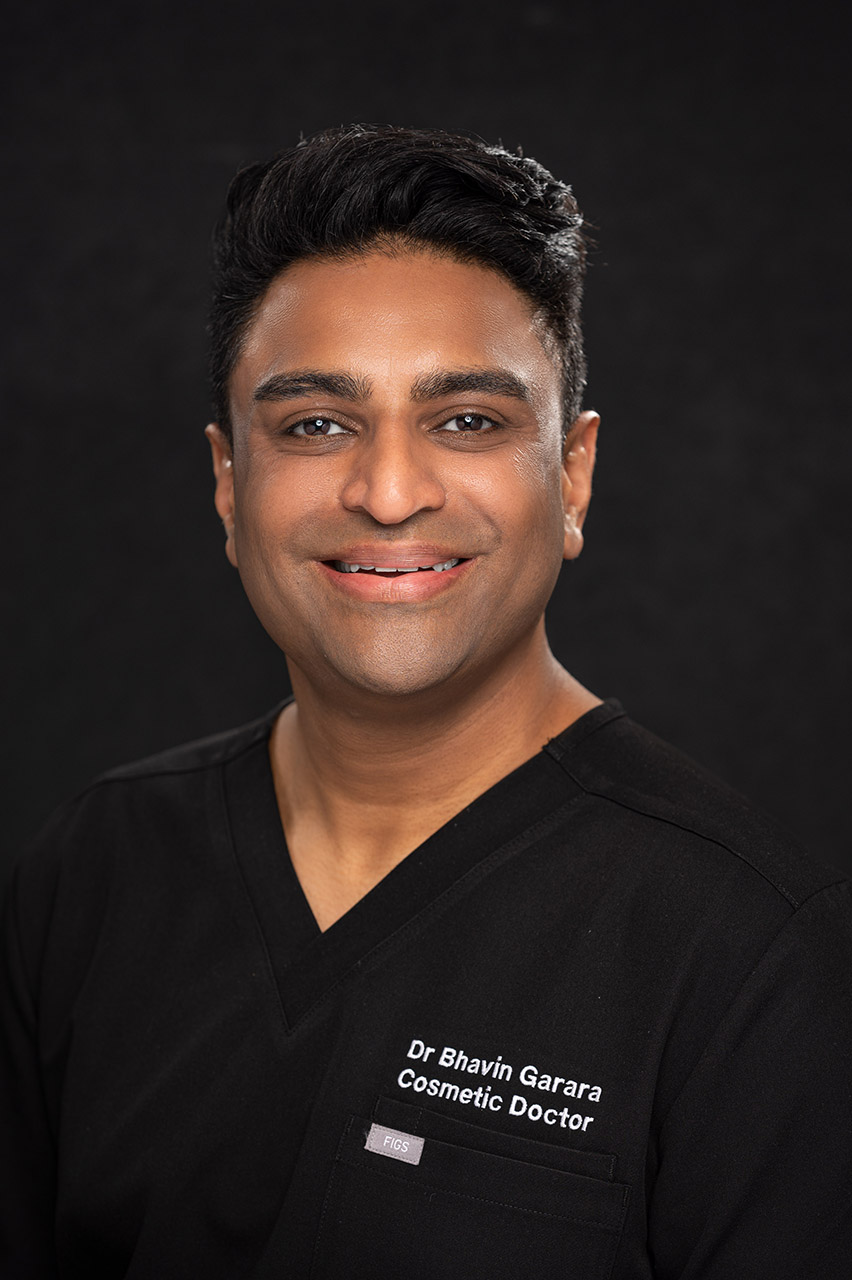
Dr Bhavin Garara, MBBS, BMedSci, PGDip
Book a Consultation
Dr Garara's approach

How Dr Bhavin Garara Treats Rosacea

At the clinics in London, Dr Garara assesses subtype, severity, dominant features, trigger pattern, current skincare routine, and any indication for medical management. The plan usually combines vascular laser for the visible vessels and chronic redness, regenerative skin treatments for barrier repair, careful trigger management, and GP / dermatology referral where prescription medical treatment is indicated.
  • Anatomy-led assessmentTreatment plans built around your unique facial structure and movement.
  • Personalised planCombinations chosen for your skin, goals, and lifestyle — not a one-size-fits-all protocol.
  • Natural resultsA refreshed, well-rested version of you — never a frozen or over-treated look.

Prevention

Home Care and Triggers

Consistent trigger management and gentle daily care are central to controlling rosacea.

Prevention

Features

Treatment Options for Rosacea

Vascular laser, radiofrequency microneedling, regenerative skin treatments, and prescription medical management.

Vascular laser (Derma V)

Vascular laser (Derma V)

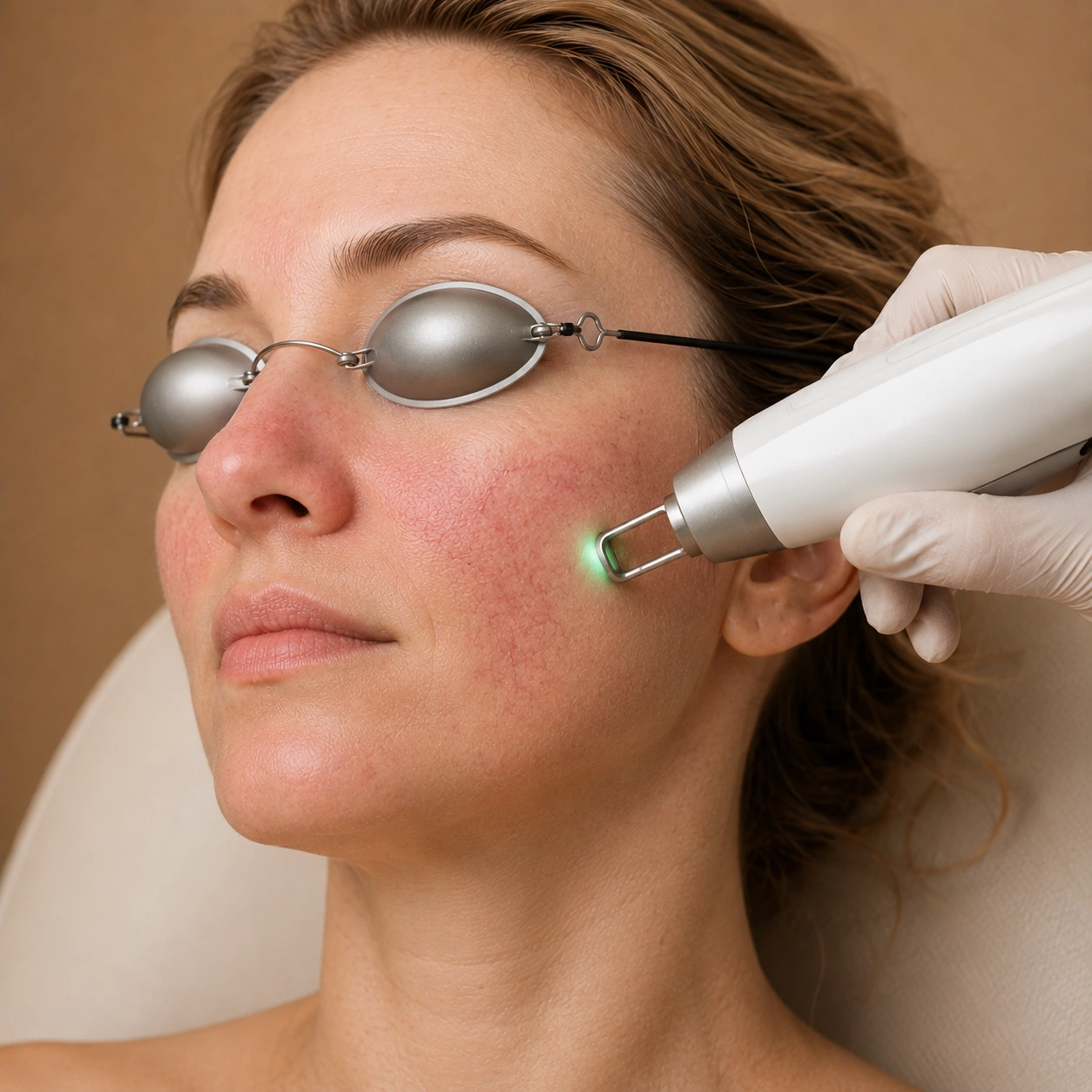
Specific wavelengths absorbed by haemoglobin in dilated vessels — designed to collapse visible vessels and reduce overall background redness.

Radiofrequency microneedling (Sylfirm X)

Radiofrequency microneedling (Sylfirm X)

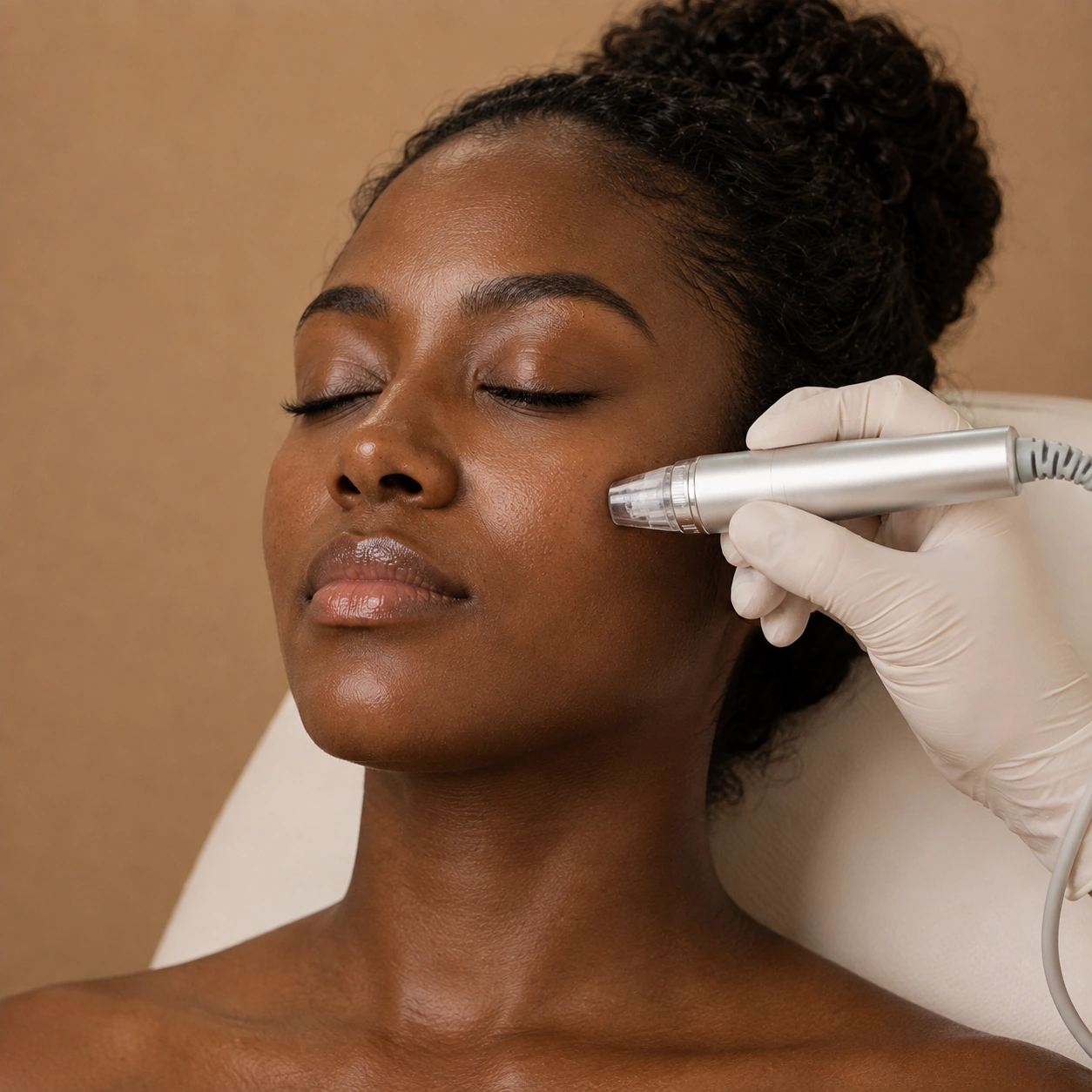
Radiofrequency through fine needles into the dermis to support tissue and reduce micro-vessel density over a course.

See Sylfirm X
Regenerative skin treatments

Regenerative skin treatments

Polynucleotides (Rejuran®), PDRN, multi-ingredient skinboosters (Profhilo, klardie, NCTF), and autologous PRP / platelet-derived exosomes support barrier repair and calming.

Medical management

Medical management

Many rosacea patients benefit from prescription medical care — topical metronidazole, ivermectin, azelaic acid; oral antibiotics; brimonidine; isotretinoin in selected severe presentations. Dr Garara routes to GP / dermatology where indicated.

Treatment is layered — vascular laser for visible vessels and chronic redness, radiofrequency microneedling for reactive skin, regenerative support for barrier repair, and prescription medical management where indicated.

Vascular laser (Derma V)

  • Best for: Persistent redness and broken capillaries
  • Downtime: 1–3 days of mild swelling or redness
  • Lasts: Long-lasting; some maintenance usually needed

For the most visible features of rosacea — persistent redness and broken capillaries — Derma V delivers specific wavelengths absorbed by haemoglobin in dilated vessels, designed to collapse the visible vessels and reduce overall background redness. Multiple sessions are usually needed.
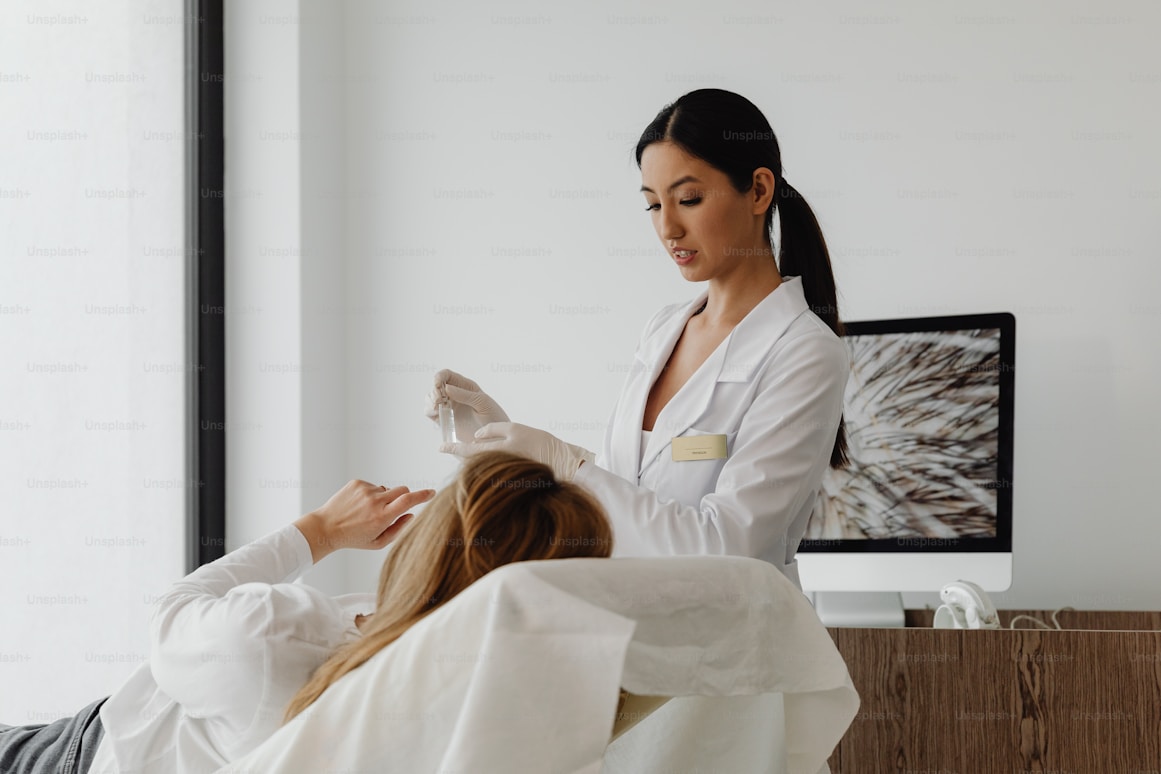
Radiofrequency microneedling (Sylfirm X)

  • Best for: Reactive skin with micro-vessel involvement
  • Downtime: 2–4 days of mild redness
  • Lasts: Long-lasting; benefits build over months

Sylfirm X delivers radiofrequency through fine needles into the dermis and is used in this concern to support tissue and reduce micro-vessel density over a course. Treatment for higher Fitzpatrick skin types (IV–VI) requires careful device selection and conservative settings; Dr Garara has particular experience in aesthetic medicine for skin of colour.

Regenerative skin treatments

For barrier repair and calming, polynucleotides (Rejuran®), PDRN, multi-ingredient skinboosters (Profhilo, klardie, NCTF), and autologous PRP / platelet-derived exosomes support skin quality and resilience. A short course is typical.

Medical management

  • Best for: Papulopustular rosacea, severe or treatment-resistant
  • Downtime: N/A
  • Lasts: Long-term medical care

Many rosacea patients benefit from prescription medical care alongside aesthetic treatment — topical metronidazole, ivermectin, azelaic acid; oral antibiotics in some cases; brimonidine for short-term redness control; isotretinoin in selected severe presentations. Dr Garara will route to GP / dermatology where medical management is indicated.

Considering treatment for rosacea or facial redness?

Book a consultation with Dr Bhavin Garara.

Book a Consultation
Compare at a glance

Treatments at a Glance

Vascular laser

Best suited for
Persistent redness and broken capillaries
Typical downtime
1–3 days of mild swelling or redness
How long results last
Long-lasting; some maintenance usually needed
What it does
Targets visible blood vessels

Radiofrequency microneedling

Best suited for
Reactive skin with micro-vessel involvement
Typical downtime
2–4 days of mild redness
How long results last
Long-lasting; benefits build over months
What it does
Supports tissue and reduces micro-vessel density

Skinboosters / polynucleotides / PRP / exosomes

Best suited for
Barrier repair and calming
Typical downtime
1–2 days of mild bumps
How long results last
Around 6–12 months with a course
What it does
Supports skin quality and resilience

Medical management (GP / dermatology)

Best suited for
Papulopustular rosacea, severe or treatment-resistant
Typical downtime
N/A
How long results last
Long-term medical care
What it does
Prescription topical / oral treatment

Trigger management and home care

Best suited for
Daily foundation for all rosacea management
Typical downtime
None
How long results last
Ongoing
What it does
Reduces flare frequency

Downtime and duration figures are typical averages only. Individual results vary considerably. Dr Garara will give you a more personalised picture at consultation.

Safety & risk

Is Rosacea Treatment Safe?

Vascular laser and radiofrequency microneedling are widely performed on rosacea-affected skin and generally well tolerated. Common short-term effects are transient redness, mild swelling, and bruising of treated vessels. As with any energy-based treatment, technique matters — settings are tailored to skin type and rosacea subtype to reduce the risk of post-inflammatory pigment change.

We share this not to alarm you but because patients deserve full information. Dr Garara is happy to discuss specific risks at consultation. Severe or treatment-resistant rosacea benefits from medical management; we will recommend GP / dermatology referral where that is the right answer.
  • Qualified medical practitionerTreatment carried out by an experienced doctor with detailed anatomical training.
  • Reversal agents on handHyaluronidase and other complication-management tools are immediately available.
  • Full informed consentRisks, alternatives, and expected outcomes discussed in detail before any treatment.
Dr Bhavin Garara
Reviewed byDr Bhavin Garara

Frequently Asked Questions

Common questions about treating rosacea.

Read next

Related Concerns

Rosacea connects to other skin concerns. You may also want to read about:

← All skin concerns

For an overview of all the facial concerns we treat, visit our Skin treatments hub.

Next step

Ready to take the next step?

Book a consultation with Dr Bhavin Garara.

Book a Consultation

Begin with a proper assessment.

Tell us a little about what you're looking for and we'll match you with the right consultation — at the clinic or virtually.

  • Your enquiry goes directly to Dr Bhavin's team.
  • We'll be in touch within one working day.
  • All consultations are strictly confidential.

This page is for general information and does not constitute medical advice. All treatments require a personal consultation. Suitability, risks, and expected outcomes will be discussed with you in detail before any treatment is carried out.